Facepalm: A recent traffic stop in California highlights the growing tension between rapidly advancing road technology and the traditional enforcement tools available to police. Until regulatory frameworks catch up, officers in California and elsewhere continue to encounter scenarios where autonomous vehicles operate outside the reach of existing laws.
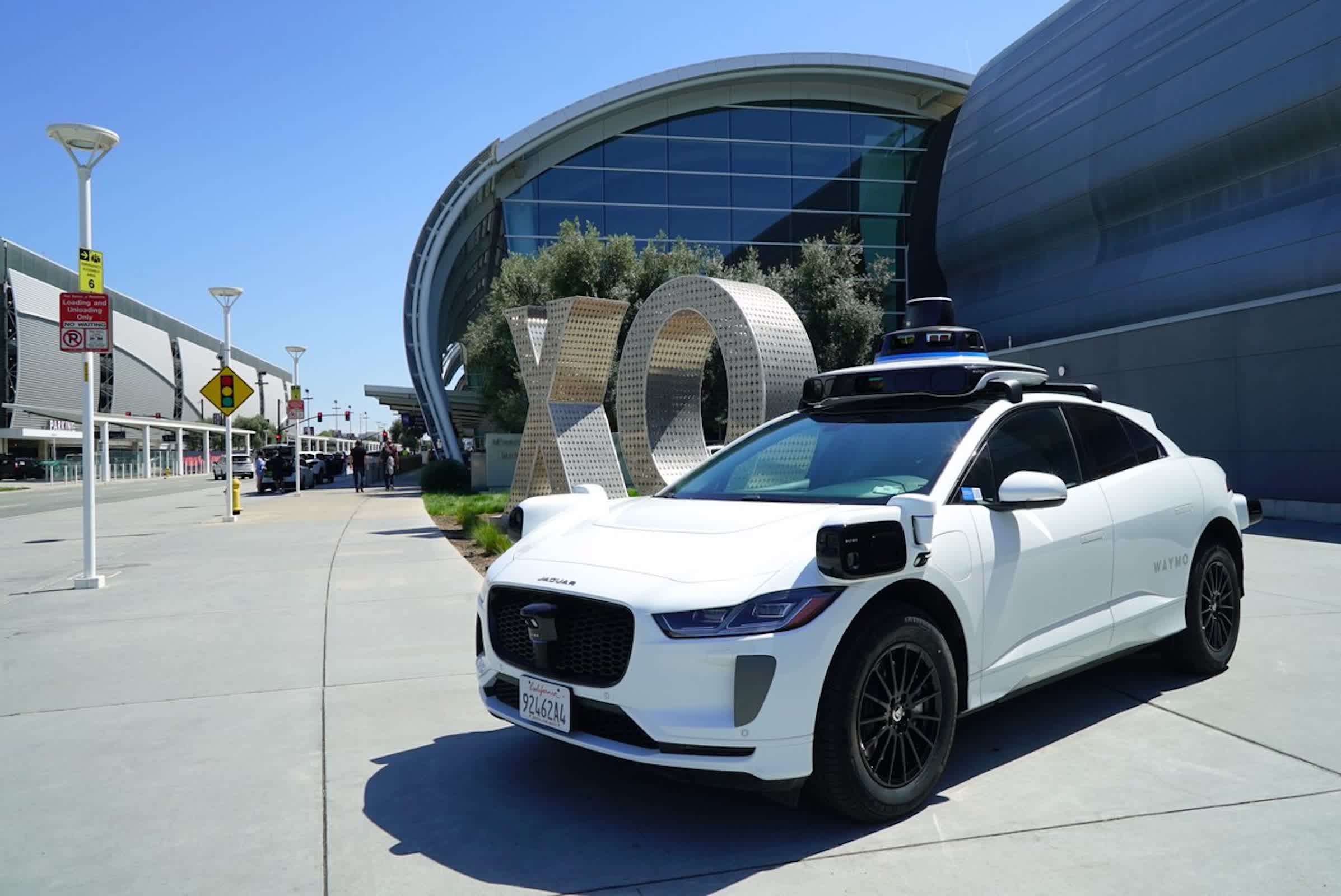
Police in San Bruno found themselves at the center of a rapidly spreading online debate after pulling over a self-driving Waymo vehicle that made an illegal U-turn during a weekend traffic operation. The incident raised questions about how law enforcement should handle traffic violations committed by autonomous vehicles, which technically have no driver to cite.
According to the San Bruno Police Department, officers were stationed early Saturday morning for a DUI enforcement operation when the Waymo vehicle executed the illegal maneuver directly in front of them. Police managed to stop the car, but as Sgt. Scott Smithmatungol explained, there was no mechanism available to issue a traditional moving violation citation since current law requires a human driver or operator to be identified on the ticket. Parking violations can be left with an unattended vehicle, he said, but moving violations are written against individuals, not machines.

The department later recounted the encounter on Facebook in a post that drew more than 500 comments and fueled an online debate. Some residents criticized the force for not citing Waymo directly, while others asked for clarification on how officers got the vehicle to pull over in the first place. The post referred to the incident as a "glitch" and said Waymo had been contacted about the vehicle's behavior.
For now, officers have no authority to penalize a company in these situations. That is expected to change next year when a state law takes effect giving police the ability to report moving violations involving autonomous vehicles to the Department of Motor Vehicles. The DMV is still finalizing how those violations will be processed and what potential penalties could apply.
Waymo, a subsidiary of Alphabet, said it is examining the incident. Julia Ilina, a company spokesperson, told the Los Angeles Times that its autonomous vehicles are "closely monitored by regulators" and that the company remains committed to improving safety as part of its ongoing efforts to refine the technology.
The vehicles operate commercially in Phoenix, Los Angeles, San Francisco and surrounding areas, including the San Mateo County suburb of San Bruno, where the incident took place. With a population of around 40,000 residents and a police force of about 50 sworn officers, the San Bruno PD is significantly smaller than neighboring agencies, something Smithmatungol noted when describing the scale of attention the weekend stop drew nationwide.
"It blew up a lot bigger than we thought," he said in an interview with the Associated Press.
Self-driving Waymo pulled over for illegal U-turn, officer has no one to ticket


