Solid-state batteries could power the next generation of wearable tech

zohaibahd

Posts: 976   +19
Staff
In a nutshell: Samsung Electro-Mechanics has unveiled an oxide-based solid-state battery breakthrough for the wearables market. It's reportedly the world's first ultra-compact cell of its kind, optimized for devices like smartwatches, fitness trackers, and potentially even wireless earbuds.
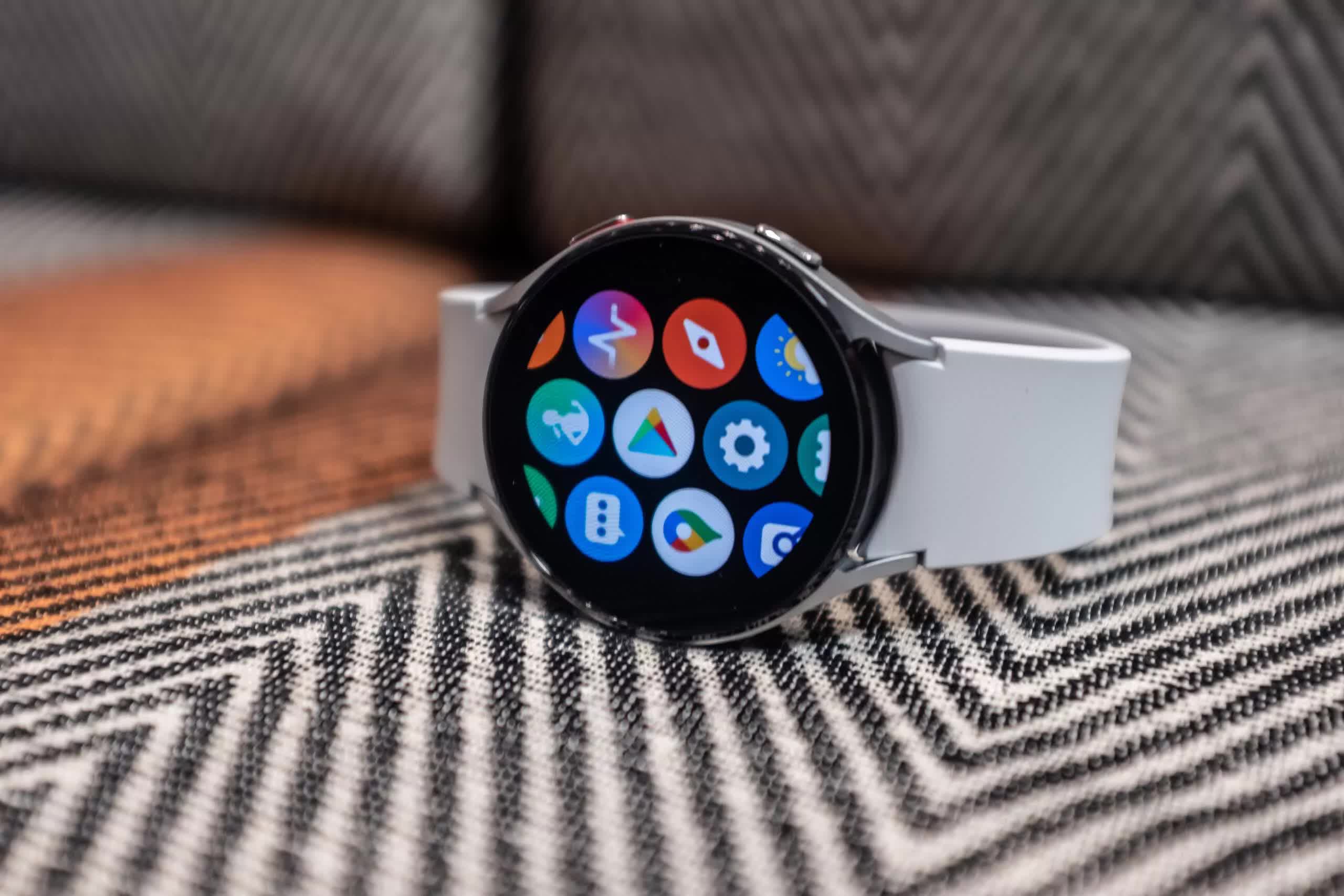
Despite its tiny size, the battery manages to achieve a 200-watt-hour-per-liter energy density, which is comparable to that of larger, conventional lithium-ion batteries.

The real selling point, however, is the battery's design flexibility. Samsung claims it can produce the battery in virtually any size and shape, from just millimeters to centimeters in dimension, thanks to its expertise in multi-layer ceramic capacitor manufacturing techniques. This shouldn't come as a surprise, considering the project took over three years and involved 40+ patented innovations to commercialize.

The multi-layer manufacturing process involves an intricate layer-printing and stacking method that avoids the wrinkling and swelling issues commonly seen in traditional lithium-ion cells. The result is an ultra-dense, ultra-compact energy solution that can withstand countless charge cycles.
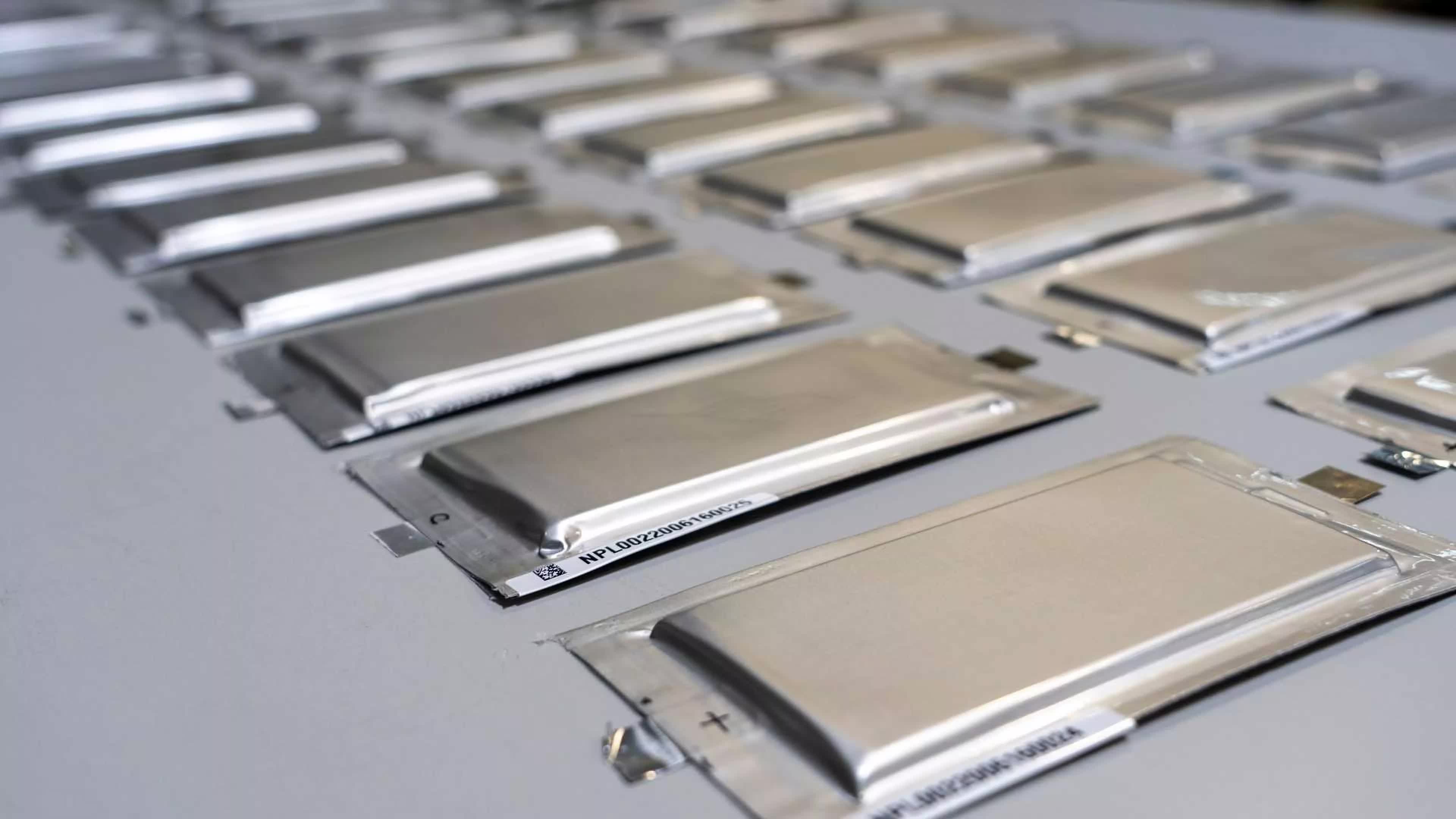
Coupled with the inherent advantages of solid-state technology, such as enhanced safety and shock resistance, Samsung's breakthrough could prove significant. Solid-state batteries also have a lower carbon footprint, making them more environmentally friendly, and they can operate across a wider temperature range.

Samsung aims to begin mass production in the first half of 2026, with plans to introduce this technology in its wearables, such as the Galaxy Ring, Galaxy Watch, and Galaxy Buds. According to a report from Business Korea, the company is already providing samples to potential customers and partners.

While solid-state batteries for electric vehicles and larger electronics are still years away from mainstream viability, the wearables segment could serve as an ideal proving ground.

In addition to wearables, Samsung is also set to commercialize solid-state batteries for EVs – an industry currently dominated by lithium-ion and lithium-iron phosphate. The company revealed the technology in August, touting an impressive energy density of around 500 Wh/kg, an incredibly fast full charge time of just nine minutes, and a lifespan of up to 20 years. Currently in pilot production and testing with a few automakers, these batteries could hit the market by 2027.

Permalink to story:

 
Sorry to be a pain, but the volumetric energy density of LiPo batteries used in smartphones and smart gadgets is 3x higher than that.

The "easiest way" to increase volumetric and gravimetric energy density is to use silicon mixed with carbon in the anode; some Chinese and Japanese companies have already been using this since last year.
 
Last edited:
Sorry to be a pain, but the volumetric energy density of LiPo batteries used in smartphones and smart gadgets is 3x higher than that.

The "easiest way" to increase volumetric and gravimetric energy density is to use silicon mixed with carbon in the anode; some Chinese and Japanese companies have already been using this since last year.
LiPo batteries have been around awhile. Remind me how dense they were when they launched? And, they are still less dense than Li-Ion, so the same argument applies, why would anyone use LiPo when you could use Li-Ion.

This is the first commercial application of a solid state battery. if someone has finally found a way to mass produce them, that is very exciting.
 
LiPo batteries have been around awhile. Remind me how dense they were when they launched? And, they are still less dense than Li-Ion, so the same argument applies, why would anyone use LiPo when you could use Li-Ion.

This is the first commercial application of a solid state battery. if someone has finally found a way to mass produce them, that is very exciting.
LiPo is still Li-ion. I believe that LiPo batteries are the most "volumetrically dense" commercially available. With the carbon-silicon anode improvements mentioned, the density can reach 800Wh/L.

What solid-state batteries are supposed to deliver is a gravimetric energy density of more than 400-500wh/kg, but to date no one has come up with a financially viable technology. The last company to claim to have something viable in practical tests was QuantumScape. Somehow I hope they succeed.
 
LiPo is still Li-ion. I believe that LiPo batteries are the most "volumetrically dense" commercially available. With the carbon-silicon anode improvements mentioned, the density can reach 800Wh/L.

What solid-state batteries are supposed to deliver is a gravimetric energy density of more than 400-500wh/kg, but to date no one has come up with a financially viable technology. The last company to claim to have something viable in practical tests was QuantumScape. Somehow I hope they succeed.
True, I got LiPo mixed with LiFePo. But the comment still applies. Lithium Lon has had decades of improvement, solid state in any commercial capacity is brand new. Someone has to be the chicken to lay the egg.

Solid state batteries offer a lot, like a more stable chemistry that is much less dangerous, better for extreme temps, and unconventional designs for things like watches. The capacity will arrive, in time.
 
Back