What just happened? The AI boom is hitting the hardware market hard, and conditions are unlikely to improve anytime soon. At the very least, one country is attempting to address this unprecedented strain by investing in recycled equipment and monitoring market conditions for potentially unlawful activity.
Conditions in the hardware market remain strained, with prices for nearly all components rising sharply as AI companies place unprecedented pressure on supply chains for future demand. In this environment, stricter market regulation may be warranted, but there appears to be little appetite in Washington for increased government intervention.
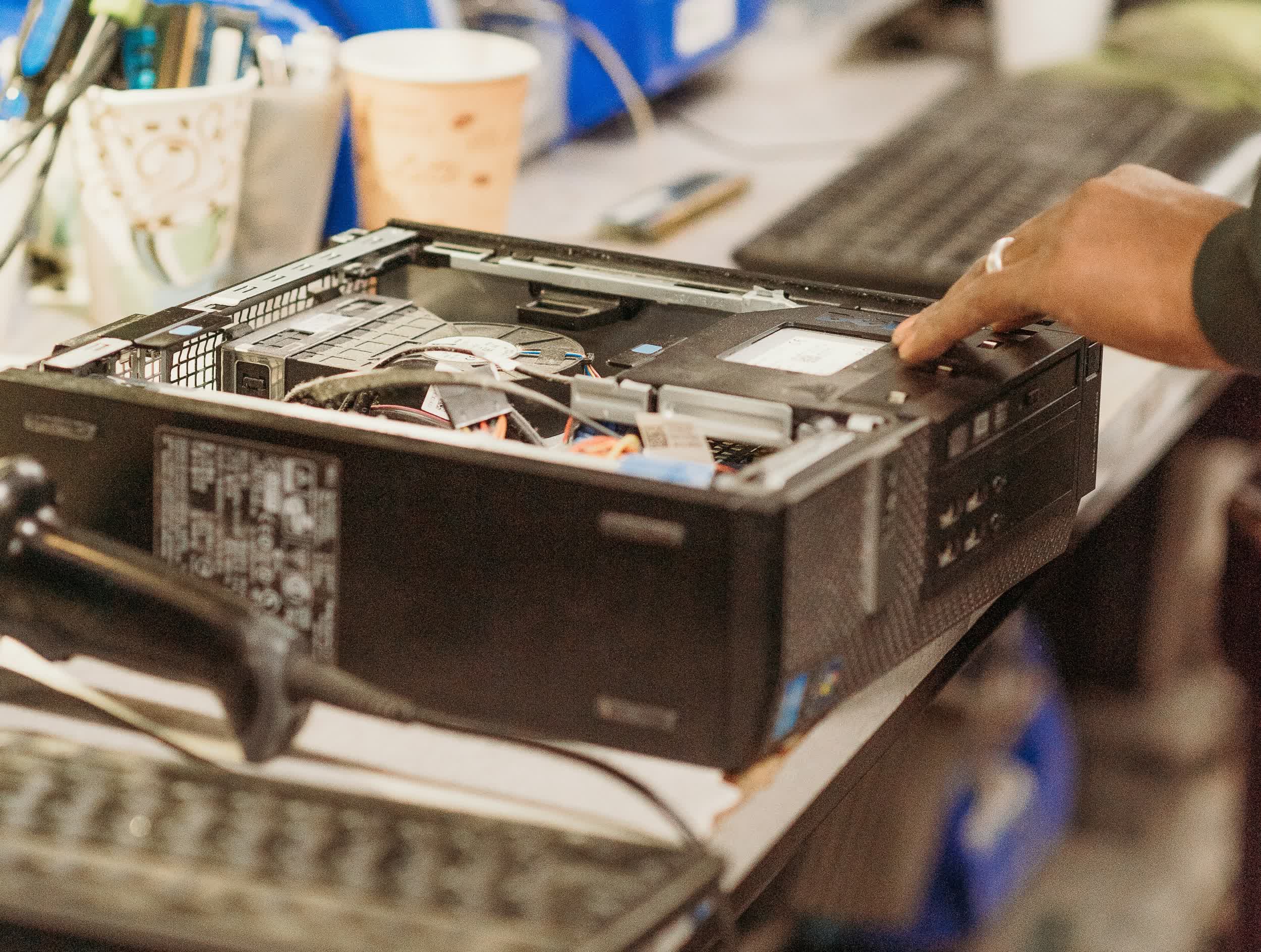
South Korea, however, is reportedly developing several policies aimed at stabilizing consumer tech prices, particularly for vulnerable groups. Seoul's central government is seeking to expand programs that recycle older computers previously destined for e-waste or disposal.
In 2025 alone, South Korean authorities collected around 22,000 computers through sales, donations, and scrapping initiatives. According to local reports, officials now plan to increase the number of systems that can be refurbished and redistributed to vulnerable groups through local government channels. Many of these aging systems are still capable of providing basic computing and networking functions.
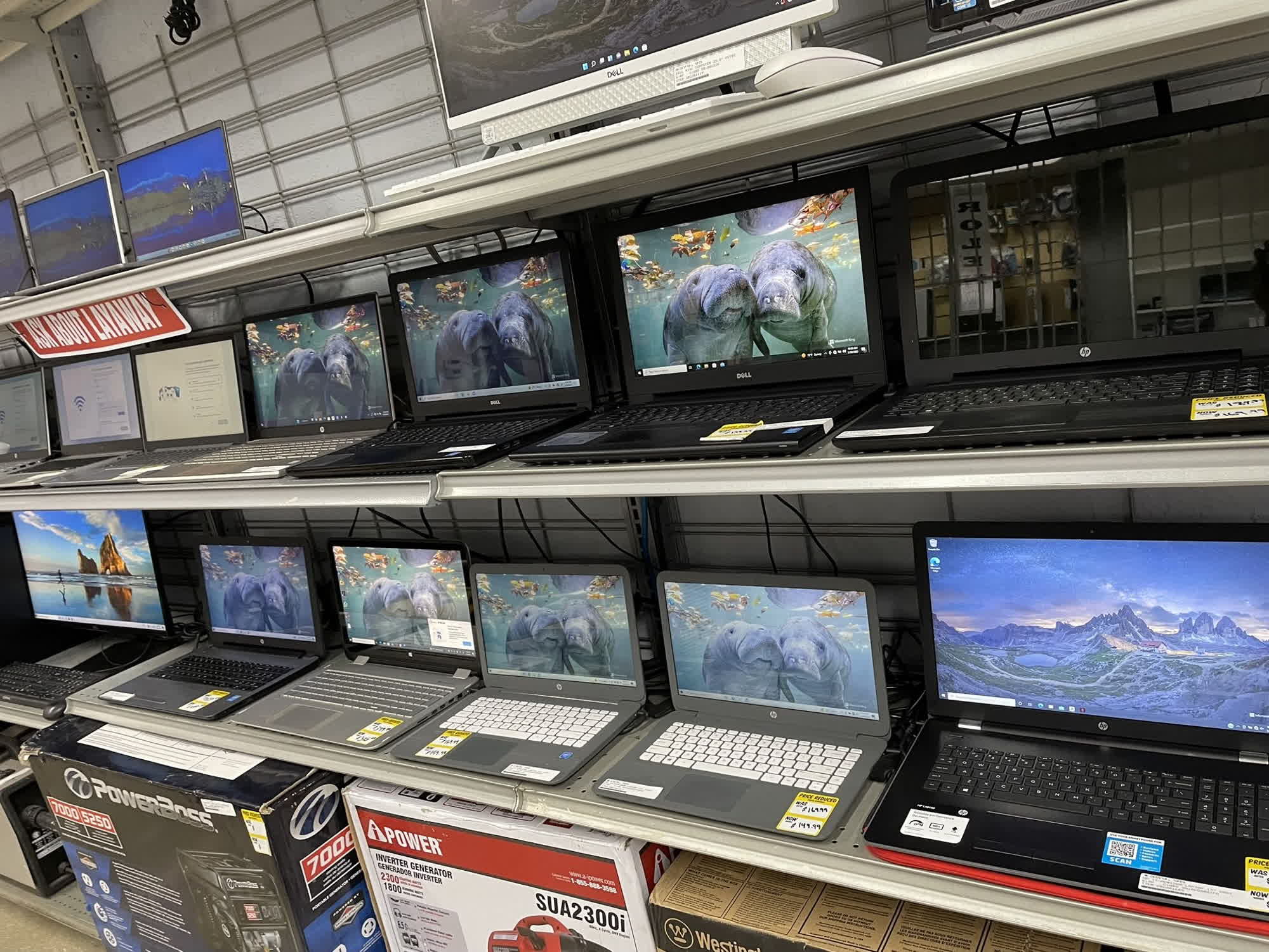
South Korea is also looking to ease the impact of rising internet service costs. Proposed measures include a potential restructuring of mobile data plans across the country's three major ISPs, with a guaranteed minimum bandwidth of 400 Kbps after users exhaust their data caps.
Prices for DRAM and other key hardware components are expected to continue rising. According to Seoul's Ministry of Data and Statistics, South Korean consumers now pay 12.4% more for a new computer compared with a year ago. Manufacturers are allocating significant resources to meet demand from new AI data center projects, although some of these initiatives are already being scaled back.
While a growing number of frustrated hardware enthusiasts are openly hoping for an end to the AI-driven market boom, Seoul is at least considering measures to ease consumer pressure. The Ministry of Trade, Industry and Energy and the Fair Trade Commission are reportedly planning to monitor hardware market conditions for potential unlawful practices, according to a report.
South Korea moves to curb the meteoritic rise of DRAM and PC hardware prices


