The takeaway: Satellites in low Earth orbit face a growing threat from debris, and companies are developing new ways to detect and withstand impacts. New sensors could help operators learn more about strikes that damage satellites or cause unexplained failures. At the same time, companies and researchers are testing lighter shields that could offer better protection without adding as much weight.
Odin Space, a Santa Ana, California-based company, has started selling adhesive strips fitted with vibration sensors for satellites. The strips are designed to record impacts and help operators assess the size and force of a strike.
The data could address a persistent problem in the small-satellite market. A 2021 study found that about one in five small satellites stops working within a year of launch. Operators do not know the cause of roughly 60% of those failures. Debris impacts are one possible explanation, but spacecraft often provide little evidence of what happened.
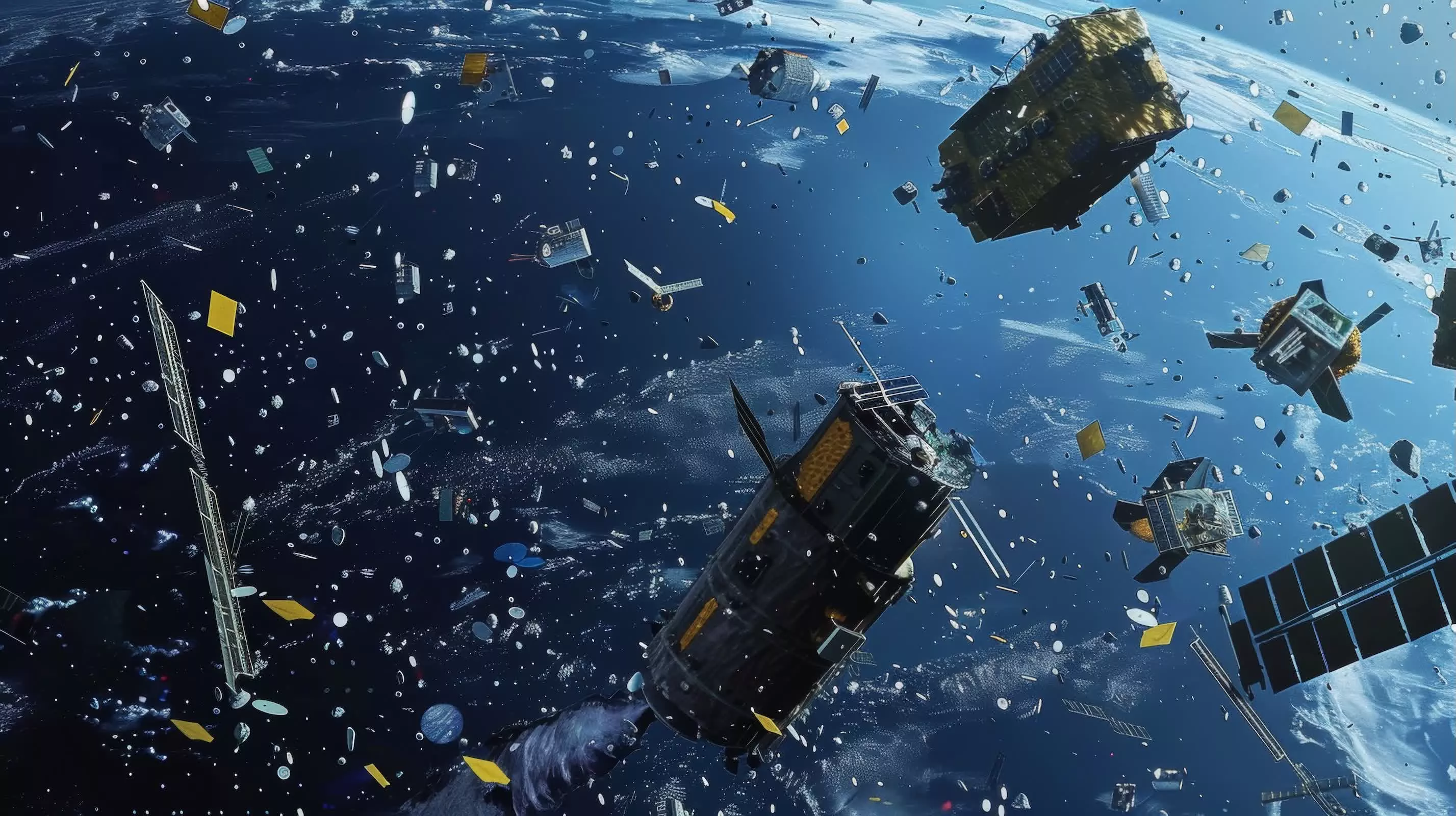
That uncertainty is becoming more important as the amount of debris in orbit rises. The European Space Agency says the amount of human-made material in orbit has more than doubled since 2017. In low Earth orbit, debris can travel at about seven kilometers per second. At those speeds, even small fragments can damage electronics, puncture external components, or disable a satellite.
Aluminum remains the standard material for spacecraft protection. Many satellites use aluminum panels reinforced with aluminum honeycomb structures. The design is relatively light, but it offers limited protection against high-speed impacts.
A more robust option is the Whipple shield. It uses a thin outer bumper placed a few centimeters ahead of a main shield. The outer layer breaks up an incoming object before it reaches the main wall, reducing the force of the impact. The approach is effective, but it adds mass and takes up space, both major constraints for satellite builders.
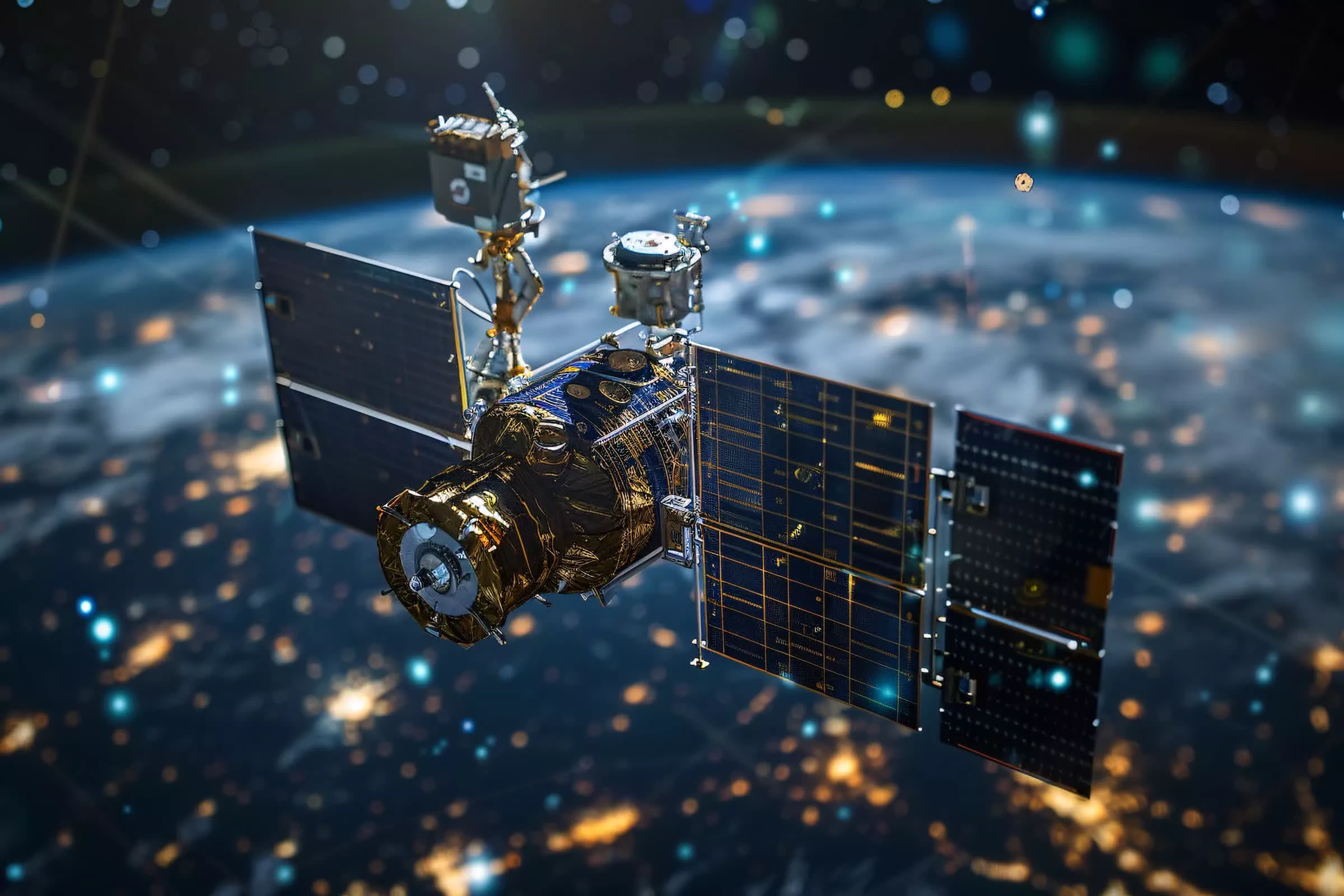
Atomic-6, a company near Atlanta, is developing an alternative called Space Armor. The company has not disclosed the materials used in its composite tiles, which are about the size of a hand, 2.5 centimeters thick, and weigh about as much as an iPhone.
In testing, the tiles stopped pea-sized aluminum projectiles traveling at 7.2 kilometers per second. Trevor Smith, Atomic-6's chief executive, told The Economist that the material does not produce shrapnel in the way a conventional shield can. He said metallic debris is vaporized and absorbed by the tile.
Other groups are working with combinations of existing materials. Kevlar, which is used in bullet-resistant gear and on the International Space Station, can be combined with Nextel, a woven ceramic material. The combination could provide a lighter shield for smaller, lower-cost spacecraft.
At the University of Padua in Italy, researchers are using 3D printing to build experimental shields from aluminum, Kevlar, and carbon-fiber-reinforced resin. The printing process allows them to build cavities into the structure. Lorenzo Olivieri and his colleagues say the voids can break up an incoming projectile in stages, much like a Whipple shield.
NASA has also tested aluminum foam as a shielding material. The foam contains a network of small voids within the metal. In testing, a shield with an aluminum-foam layer a little more than 6 millimeters thick provided protection similar to that of a conventional Whipple shield that weighed twice as much.
The right approach will depend on where a satellite operates. Debris can include metal fragments, plastics, flecks of paint, and natural rocks, and the mix varies from one orbit to another. Rannveig Marie Faergestad, a shielding designer at Thales Alenia Space, said better information about those conditions would help engineers select the right materials and shield designs.
Impact sensors could make that process more precise. By collecting data on actual collisions, they may give satellite operators and manufacturers a clearer view of the debris risks their spacecraft face.
Space debris is multiplying, so satellite makers are building better ways to survive a hit


