Connecting the dots: Despite modern breakthroughs in medicine, researchers are still having a hard time studying certain traits of the brain. A new study suggests that this complex part of the human body is, in fact, composed of two distinct functional organs acting as one. Trying to generate one specific type of brain cell from the other in a laboratory setting may therefore be doomed to fail.
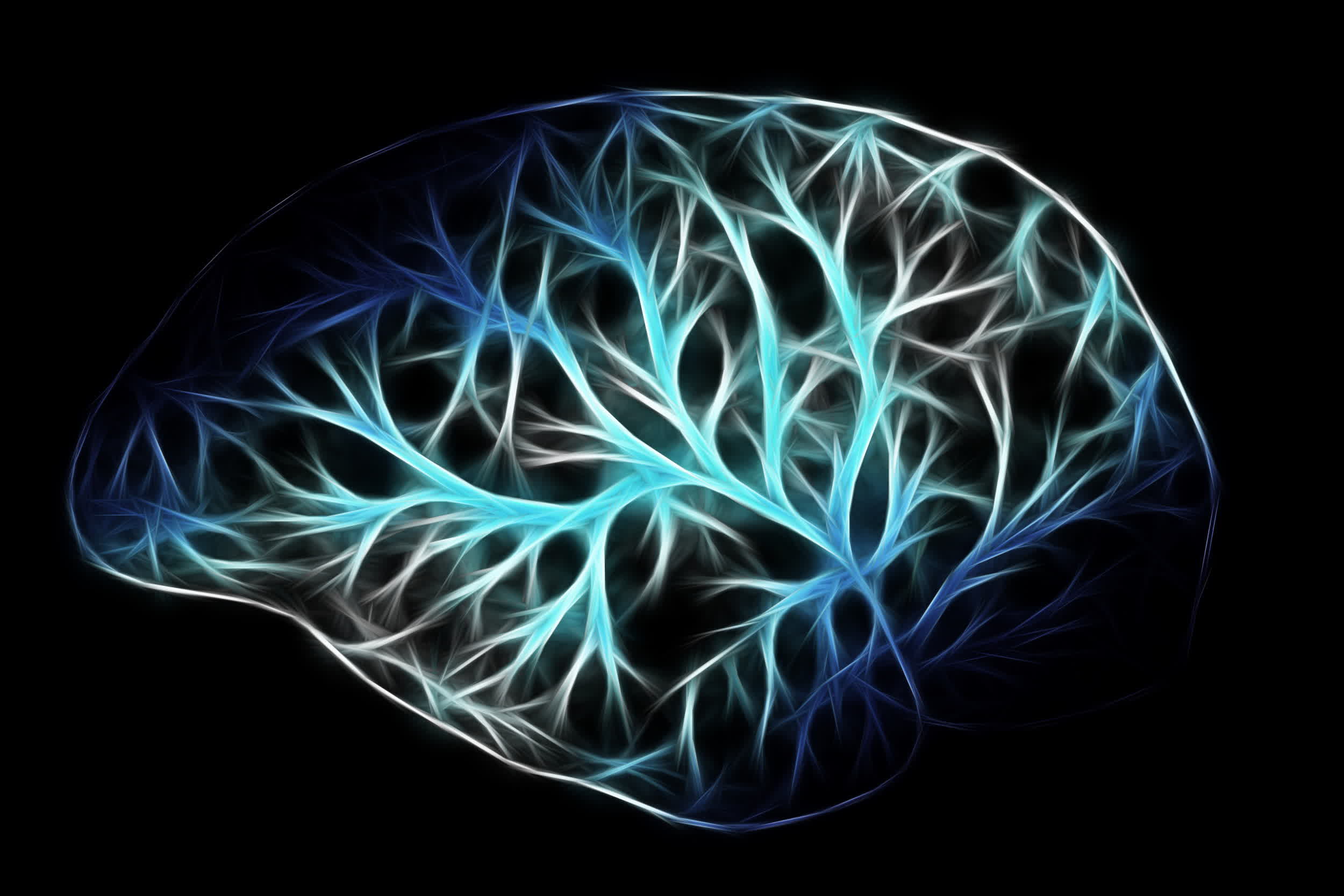
Scientists have tried studying and scanning every single part of the human brain, but it turns out that everything they thought they knew was (mostly) wrong. A new study by researchers at Stanford School of Medicine explains that the brain is comprised of two distinct organs that have evolved to work together over hundreds of millions of years.
The Stanford research goes way beyond the popular – and mostly incorrect – idea that the brain consists of three main regions controlling specific functions of the human body. In fact, the study says that the two organs comprising the human brain originate from two different types of stem cells.
The first part – the hindbrain – is tasked with overseeing some of the body's most basic functions, such as the heartbeat, breathing, and swallowing. Meanwhile, the second part – the midbrain and forebrain – manages more complex functions including higher-level thinking and speech.
As researchers explain in the new study, the hindbrain is derived from a different type of stem cell than the "high-level" part of the brain composed of the midbrain and forebrain.
According to Stanford researcher Kyle Loh, the discovery "means that we can now grow neurons from the back of the brain, the hindbrain, in a petri dish and study their functions."
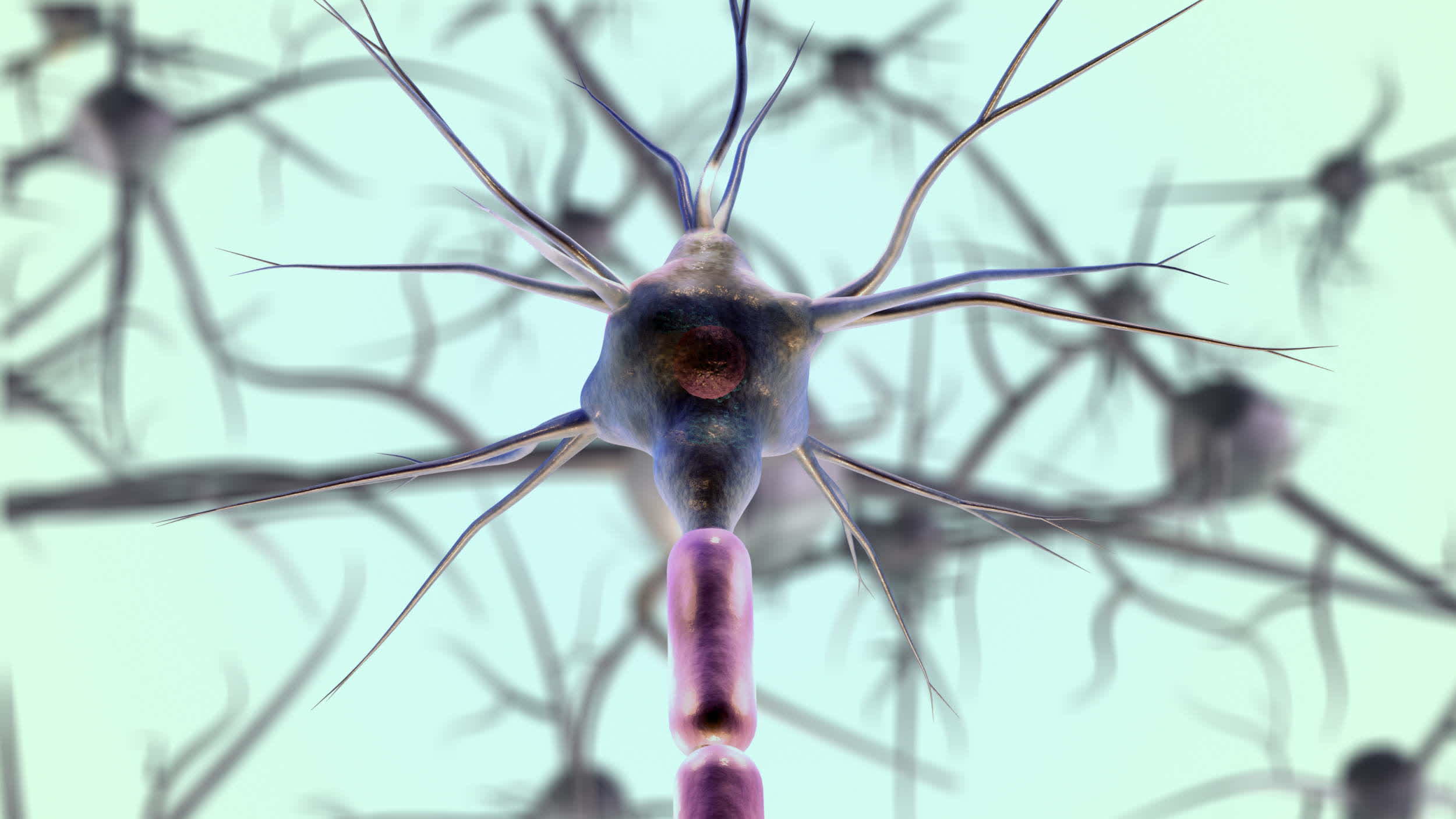
So far, biologists have had a hard time developing samples of hindbrain-related neurons for research purposes. The study says that one particular type of stem cell expresses the Otx2 gene and will eventually develop into cells that form the higher parts of the brain. Meanwhile, another type of cell expresses the Gbx2 gene and will develop into hindbrain neurons.
The two cell types have other significant differences, including how DNA is packed and "condensed" inside a cell's nucleus in a process known as chromatin organization. Chromatin structure affects which genes are expressed and how they are expressed during a cell's lifespan, which in turn influences the cell's developmental fate. Otx2-expressing cells and Gbx2-expressing cells have "fundamentally" different chromatin structures, the study says.
Previously, researchers tried to develop hindbrain cells from pluripotent cells that were "designed" by nature to become forebrain and midbrain neurons. The Stanford study suggests that this type of effort is essentially fruitless because it lacks a major piece of the brain's evolutionary puzzle.
The researchers discovered that the two-part origin of the brain is also present in modern chickens, zebrafish, and acorn worms. Jellyfish, a type of marine creature that diverged from humans 600 to 700 million years ago, still have two distinct nervous systems at opposite ends of their bodies.
Now that they have a better understanding of how the two-part brain evolved, researchers hope to have a better chance of studying – and eventually treating – debilitating neurological conditions such as spinal muscular atrophy (SMA) and amyotrophic lateral sclerosis (ALS). Both SMA and ALS can significantly impair neuron function in the hindbrain, and the new study could provide clues for developing effective regenerative therapies for both conditions.
Stanford researchers say the brain is actually two organs pretending to be one


