You can now buy a pre-built gaming PC that boots into Steam instead of Windows

Skye Jacobs

Posts: 1,986   +58
Staff
First look: Meta PCs is putting Valve's SteamOS on a regular pre-built desktop gaming PC instead of one of Valve's own devices. The new Steamroller PC uses standard components and relies on SteamOS as its standout feature.
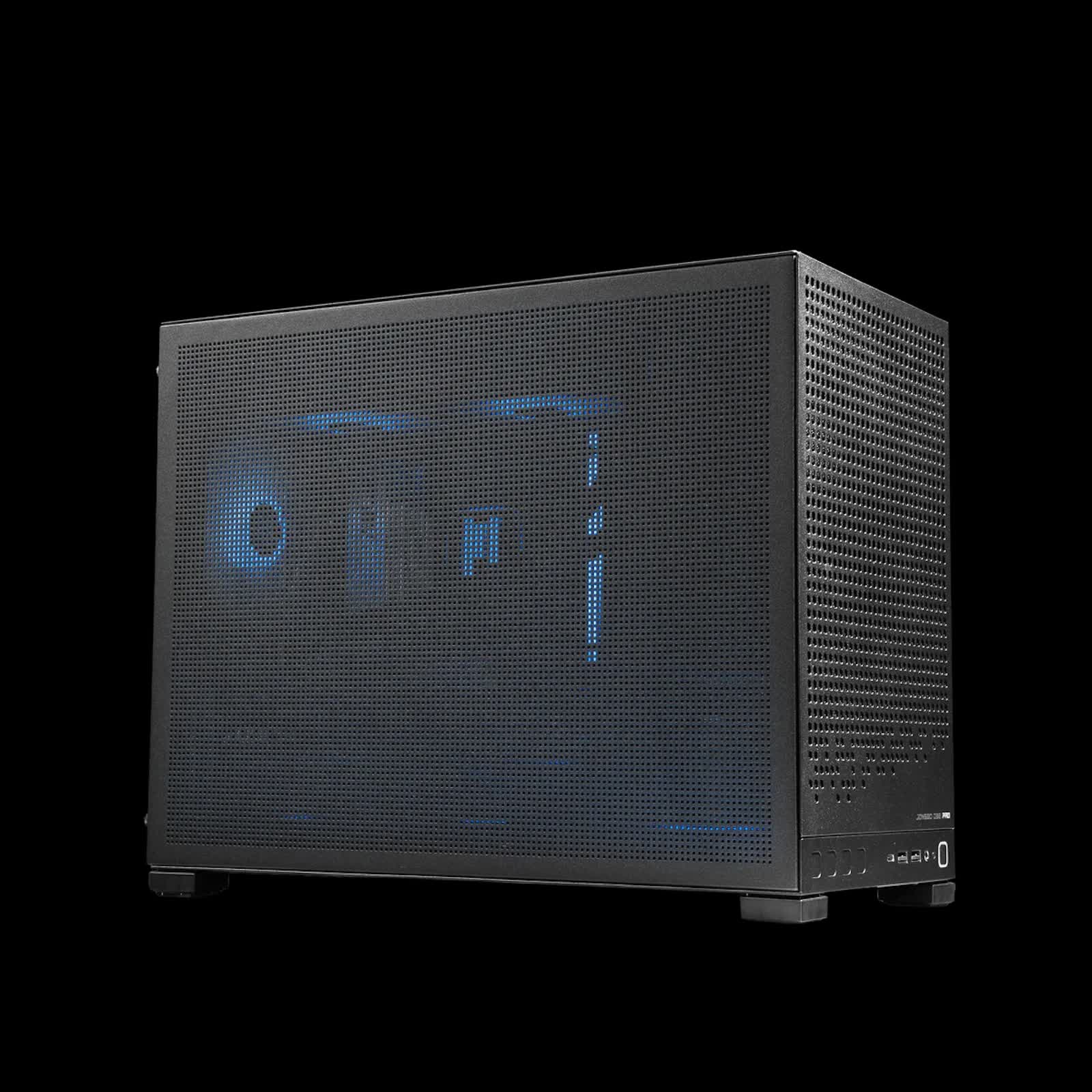
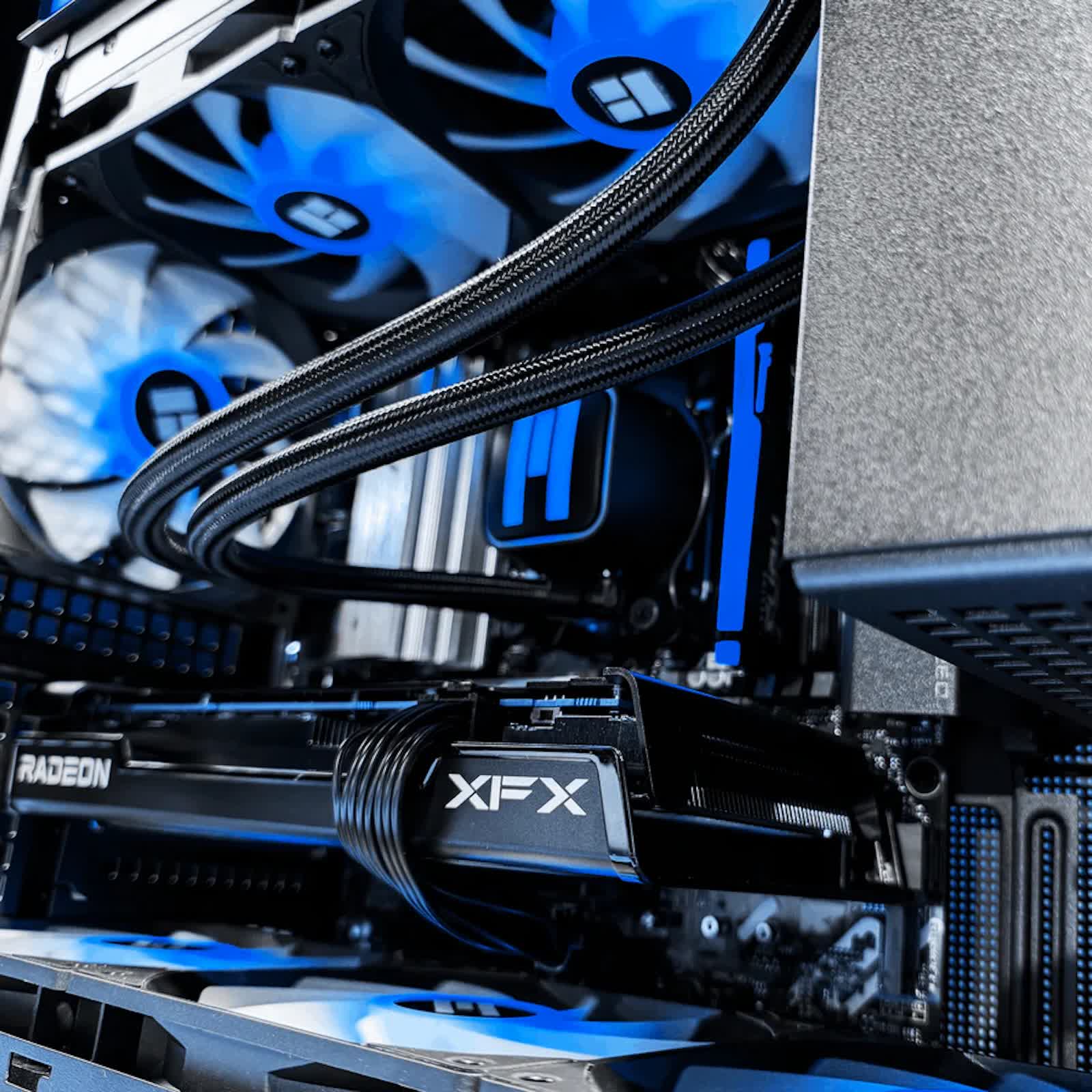
Steamroller is built like a modern mid-range gaming rig. Inside is an AMD Ryzen 5 9600X six-core CPU and a Radeon RX 7600 GPU, targeting high-frame-rate 1080p play in titles like Cyberpunk 2077, Elden Ring, and Baldur's Gate 3.

The system includes 16GB of DDR5-5600 memory, a 1TB NVMe M.2 drive, and either a B650M or B850M motherboard with Wi-Fi. The whole system sits in a Jonsbo D32 black case, cooled by Meta's 240mm all-in-one liquid cooler and powered by a 650W 80+ Gold supply.

Before shipping, every unit is stress-tested with OCCT's Enterprise Burn-in benchmark, and assembly is handled at the company's Arizona headquarters.

The bigger story, though, is the software. Steamroller ships with SteamOS preinstalled, turning an otherwise standard desktop PC into a dedicated Steam Machine. SteamOS, Valve's Linux-based platform, now leverages Proton to run a large share of Windows games on Steam without separate Linux builds.

In practice, that means Steamroller behaves much like a Steam Deck or Valve's own Steam Machine: familiar Steam interface, controller-friendly Big Picture mode, and a console-style experience on top of off-the-shelf PC hardware.

Valve, meanwhile, is pushing SteamOS beyond its own devices. With SteamOS 3.8, the company has expanded support for recent AMD and Intel platforms and is openly encouraging people to build their own Steam Machines, as long as they use AMD graphics for now. Valve software developer Pierre-Loup Griffais noted in a recent post that "If you have an AMD GPU, you can build your own Steam Machine now! More GPU support being worked on."
He has also said there is "not yet an install wizard" for easy dual-boot setups, which is a nod to the fact that SteamOS installation still asks more from users than a typical Windows install.

There is also the question of Nvidia. Griffais says Valve is "collaborating with Nvidia very closely" and that the company has "a growing team" working on SteamOS support for Nvidia GPUs. He has cautioned that Nvidia support might not land in 2026, but the work is clearly underway.

For now, enthusiasts willing to tinker have already managed to get SteamOS running on a mix of unofficial hardware, using the usual Linux tools and workarounds. Valve's own roadmap points toward making that process less painful, with a more polished installer and broader hardware coverage over time.

We've just updated the SteamOS installation image to 3.8. This update improves compatibility with certain modern systems and includes a first-time setup. help.steampowered.com/en/faqs/view... If you have an AMD GPU, you can build your own Steam Machine now! More GPU support being worked on.

– Pierre-Loup Griffais (@plagman.bsky.social) June 23, 2026 at 9:43 PM

Steamroller arrives more than a decade after earlier SteamOS machines failed to catch on. Valve's first Steam Machines, launched in 2013 and sold by companies such as Alienware, Zotac, and CyberPower, ran on an early version of SteamOS and a tiny native Linux game catalog. Today, SteamOS benefits from years of work on the Steam Deck, and Proton's translation layer makes it suitable for day-to-day PC gaming rather than just a niche experiment.

Meta PCs is pricing the base Steamroller configuration at $1,299. That includes lifetime support for hardware diagnostics, software troubleshooting, and general maintenance. Buyers can add a two-year extended warranty for $180 or a three-year option for $240. Pre-orders are scheduled to ship on July 3, 2026.

Permalink to story:

 
This is the plan long term. SteamOS is for regular PCs.

Nvidia works intensely with Valve as we speak. Massive Nvidia GPU support in SteamOS next year, including DLSS, DLAA , Frame Gen support, with a massive software suite to follow. RTX is coming for Linux.

Valve never wanted to sell alot of Steam Machine's.
 
This is the plan long term. SteamOS is for regular PCs.

Nvidia works intensely with Valve as we speak. Massive Nvidia GPU support in SteamOS next year, including DLSS, DLAA , Frame Gen support, with a massive software suite to follow. RTX is coming for Linux.

Valve never wanted to sell alot of Steam Machine's.
No company is going to invest on something hoping not to be successful.

Just because they are letting others use their OS it doesn't mean Valve wouldn't want to monopolize it at their advantage if it was popular enough with the Steam machine.

Valve is just as greedy as Microsoft, you just don't know it.
 
No company is going to invest on something hoping not to be successful.

Just because they are letting others use their OS it doesn't mean Valve wouldn't want to monopolize it at their advantage if it was popular enough with the Steam machine.

Valve is just as greedy as Microsoft, you just don't know it.
Yes I know. Valve is even more greedy than Microsoft actually. Eating 30% of game sales on average. They don't give a shite about game developers for the most part.

Valve earns so much more from selling other companies’ games that they no longer bothers making games itself. That says enough. Milking is easier.

Valve tries to play the "good guy" by pushing Linux - a free OS made for gaming - but in reality, 95% of their users uses Windows and probably 99.9% of the income happens on a Windows client. Linux is niche for gaming still. No matter what people think, facts exist. Just look at Steams own HW Survey if in doubt. Linux has like 2-3%, a fragmented mess of 10+ Liknux distros. MacOS is just as popular for gaming. They have like 5% Steam marketshare total... Nothing.
 
Last edited:
Yes I know. Valve is even more greedy than Microsoft actually. Eating 30% of game sales on average. They don't give a shite about game developers for the most part.

Valve earns so much more from selling other companies’ games that they no longer bothers making games itself. That says enough. Milking is easier.

Valve tries to play the "good guy" by pushing Linux - a free OS made for gaming - but in reality, 95% of their users uses Windows and probably 99.9% of the income happens on a Windows client. Linux is niche for gaming still. No matter what people think, facts exist. Just look at Steams own HW Survey if in doubt. Linux has like 2-3%, a fragmented mess of 10+ Liknux distros. MacOS is just as popular for gaming. They have like 5% Steam marketshare total... Nothing.
Windows still dominates Steam, and Linux remains a niche gaming platform. Nobody is really disputing that. But Valve isn't investing in Linux because it's where they make most of their money today.

Valve is investing in SteamOS and Proton because it gives them independence from Microsoft. If Windows ever becomes more restrictive toward third party storefronts, Valve already has an alternative platform that they control. That's a long term business strategy, not just an attempt to "look like the good guy."

As for the 30% cut, Valve isn't unique there. Microsoft, Sony, Nintendo, Apple, and Google have all charged similar revenue shares on their digital storefronts. If we're going to call Valve greedy for that, then we'd have to apply the same standard across the industry.

And while it's true Valve earns more from Steam than from developing games, I don't think that means they "don't care." They've still invested heavily in Proton, SteamOS, the Steam Deck, VR, and even released games like Half-Life Alyx. Those aren't the actions of a company that's simply sitting back and collecting checks.

You don't have to like Valve's business model, but I think it's more nuanced than "Valve is greedy and Linux is just marketing." If Linux only represented 2-3% of Steam users and that's all Valve cared about, they wouldn't have spent years and what is likely hundreds of millions of dollars building an entire gaming ecosystem around it.

While I will agree that SteamOS is not going to take over gaming overnight, you spend a lot of time reminding everyone how experienced you are, but experience doesn't make an argument stronger by itself. Explaining why Valve's strategy is flawed would carry a lot more weight than simply repeating that Linux has a small market share today.
 
Windows still dominates Steam, and Linux remains a niche gaming platform. Nobody is really disputing that. But Valve isn't investing in Linux because it's where they make most of their money today.

Valve is investing in SteamOS and Proton because it gives them independence from Microsoft. If Windows ever becomes more restrictive toward third party storefronts, Valve already has an alternative platform that they control. That's a long term business strategy, not just an attempt to "look like the good guy."

As for the 30% cut, Valve isn't unique there. Microsoft, Sony, Nintendo, Apple, and Google have all charged similar revenue shares on their digital storefronts. If we're going to call Valve greedy for that, then we'd have to apply the same standard across the industry.

And while it's true Valve earns more from Steam than from developing games, I don't think that means they "don't care." They've still invested heavily in Proton, SteamOS, the Steam Deck, VR, and even released games like Half-Life Alyx. Those aren't the actions of a company that's simply sitting back and collecting checks.

You don't have to like Valve's business model, but I think it's more nuanced than "Valve is greedy and Linux is just marketing." If Linux only represented 2-3% of Steam users and that's all Valve cared about, they wouldn't have spent years and what is likely hundreds of millions of dollars building an entire gaming ecosystem around it.

While I will agree that SteamOS is not going to take over gaming overnight, you spend a lot of time reminding everyone how experienced you are, but experience doesn't make an argument stronger by itself. Explaining why Valve's strategy is flawed would carry a lot more weight than simply repeating that Linux has a small market share today.
Epic Games charges far less than Steam, gives out free games all the time and even have a game engine developers can use for free, before 1 million is made, then they slowly starts to charge (less than Valve still). Yeah competition is good.

I am simply repeating facts, because people claim Linux is good for gaming, which is not true. Linux is a free alternative to Windows, limited game support, worse performance overall. Tons of games don't even work. Even Valve says this.
 
Epic Games charges far less than Steam, gives out free games all the time and even have a game engine developers can use for free, before 1 million is made, then they slowly starts to charge (less than Valve still). Yeah competition is good.

I am simply repeating facts, because people claim Linux is good for gaming, which is not true. Linux is a free alternative to Windows, limited game support, worse performance overall. Tons of games don't even work. Even Valve says this.
I don't disagree with everything you said. Epic does have a more developer friendly revenue split than Steam, and competition has been good for the industry.

Where we disagree is the leap from facts to conclusions.

Saying Windows has better compatibility than Linux is a fact. Saying Linux has a smaller game library is a fact. Saying some multiplayer games don't work because of anti cheat is also a fact.

Saying "Linux is not good for gaming" isn't a fact...it's your opinion based on those facts.

If someone primarily plays games that work well through Proton and doesn't care about the handful of unsupported anti cheat titles, Linux can absolutely be a good gaming platform for them. If someone plays every competitive multiplayer title under the sun, then Windows is the obvious choice.

Valve isn't investing in Proton, SteamOS, and the Steam Deck because Linux dominates gaming today. They're looking years down the road, not overnight. They're reducing their dependence on Windows while building an ecosystem they control. That's a long term business strategy, not a reaction to today's market share.

Companies don't spend years and enormous amounts of money building an ecosystem around something they believe has no future. They do it because they see where the market could be headed and want to be prepared when it gets there.

So I think we're actually closer in opinion than you realize. Windows is still the better overall gaming platform today, 100%. I just don't think it's accurate to say Linux is objectively "not good for gaming." That's too broad of a statement for the current state of Linux gaming, and it ignores why Valve is investing so heavily in it in the first place.
 
I am simply repeating facts, because people claim Linux is good for gaming, which is not true. Linux is a free alternative to Windows, limited game support, worse performance overall. Tons of games don't even work. Even Valve says this.

I couldn't care less if you think Linux is good for gaming or not. It's all I will ever use for gaming and most of my work. The only exception is using Windows for work-related things such as development or running specific applications that aren't available for Linux (yet).

Linux is also a free alternative to UNIX. It was never designed to be a free alternative to Windows. ReactOS is a free alternative to Windows that hasn't gone anywhere in 30 years.
 
I couldn't care less if you think Linux is good for gaming or not. It's all I will ever use for gaming and most of my work. The only exception is using Windows for work-related things such as development or running specific applications that aren't available for Linux (yet).

Linux is also a free alternative to UNIX. It was never designed to be a free alternative to Windows. ReactOS is a free alternative to Windows that hasn't gone anywhere in 30 years.
You stick with Linux because you’re more of a casual gamer, which is completely fine. That said, people who focus on the latest releases, especially multiplayer titles, and invest in high-end gaming hardware typically avoid Linux due to its compatibility limitations. And the performance overall is NOT better.

Game devs. Hardware companies. All focus on Windows.

Linux gaming improved largely because of Proton, Valve’s compatibility layer. Proton translates Windows and DirectX calls to Linux (often via Vulkan), letting many Windows games run on Linux but the overall performance is still worse than Windows.

Performance is lost in most cases doing this. Not gained. Hence why Linux have subpar 1% low fps compared to Windows on same hardware in most cases. Compatibility layer eats performance.

You can take 100 games that actually works on Linux, pretty much all of these will run better on Windows, due to Windows being the native platform.

...aaaaand this is why game requirements lists Windows. If you have problems, game devs won't give a shite if you run Linux. They will tell you to replicate the problem on Windows but you can't - since game works here.
 
Last edited:
I don't disagree with everything you said. Epic does have a more developer friendly revenue split than Steam, and competition has been good for the industry.

Where we disagree is the leap from facts to conclusions.

Saying Windows has better compatibility than Linux is a fact. Saying Linux has a smaller game library is a fact. Saying some multiplayer games don't work because of anti cheat is also a fact.

Saying "Linux is not good for gaming" isn't a fact...it's your opinion based on those facts.

If someone primarily plays games that work well through Proton and doesn't care about the handful of unsupported anti cheat titles, Linux can absolutely be a good gaming platform for them. If someone plays every competitive multiplayer title under the sun, then Windows is the obvious choice.

Valve isn't investing in Proton, SteamOS, and the Steam Deck because Linux dominates gaming today. They're looking years down the road, not overnight. They're reducing their dependence on Windows while building an ecosystem they control. That's a long term business strategy, not a reaction to today's market share.

Companies don't spend years and enormous amounts of money building an ecosystem around something they believe has no future. They do it because they see where the market could be headed and want to be prepared when it gets there.

So I think we're actually closer in opinion than you realize. Windows is still the better overall gaming platform today, 100%. I just don't think it's accurate to say Linux is objectively "not good for gaming." That's too broad of a statement for the current state of Linux gaming, and it ignores why Valve is investing so heavily in it in the first place.

You don’t understand me. I think it’s good that Linux keeps getting better and better for gaming. Competition is always good for consumers, but I can’t accept people saying that Linux is better than Windows for gaming, because that is completely false.
 
Linux - Great way to limit the PC game catalog and get worse performance overall.
 
Last edited:
If SteamOS catches on, Microsoft could finally find an urgency to be serious about making Windows a more robust experience for gaming.

Fingers crossed.
Consumer windows licenses is a side hustle for Microsoft. Licenses for gaming machines even more so. The main reason Microsoft even talks to individual consumers for things like Windows (and Office) is because they part of Microsoft's sales funnel for business contracts. If everyone already knows how to use Windows (and Office), but only some know MacOS, Libre, Google ChromeOS and Docs, etc, which do you think a business is more likely to purchase, all other things being equal?

This is why Microsoft cuts very favorable deals to schools (public, private, universities, etc) for licenses, compared to what they would charge for a similar contract to a corporation. Ditto for Adobe, Dassault, Autodesk, etc, and pretty much anyone else that sells software licenses to corporations. They want people to go through school, using their tools, so they come out "pre-trained" and the companies that hire them are basically forced to buy the software their workers already know - almost regardless of the price, because re-training workers is just that expensive via direct and indirect costs.

Now, if SteamOS kicks off a general "Linuxization" of kids, teens, and adults going through Uni, where SteamOS is just the gateway to Ubuntu/Mint/etc, that's another story. The real canary for that particular coal mine will be if you see companies like Adobe and Autodesk start to bring their products to Linux, too. If you see that, then you know Windows is really in trouble and Microsoft will have to adapt.
 
Back