
In brief: If you're one of the many people still using an Intel-powered MacBook, be it by necessity or choice, Apple has announced another reason to consider an upgrade. Cupertino has told App Store developers that apps requiring macOS 13 or later no longer have to support Intel machines.

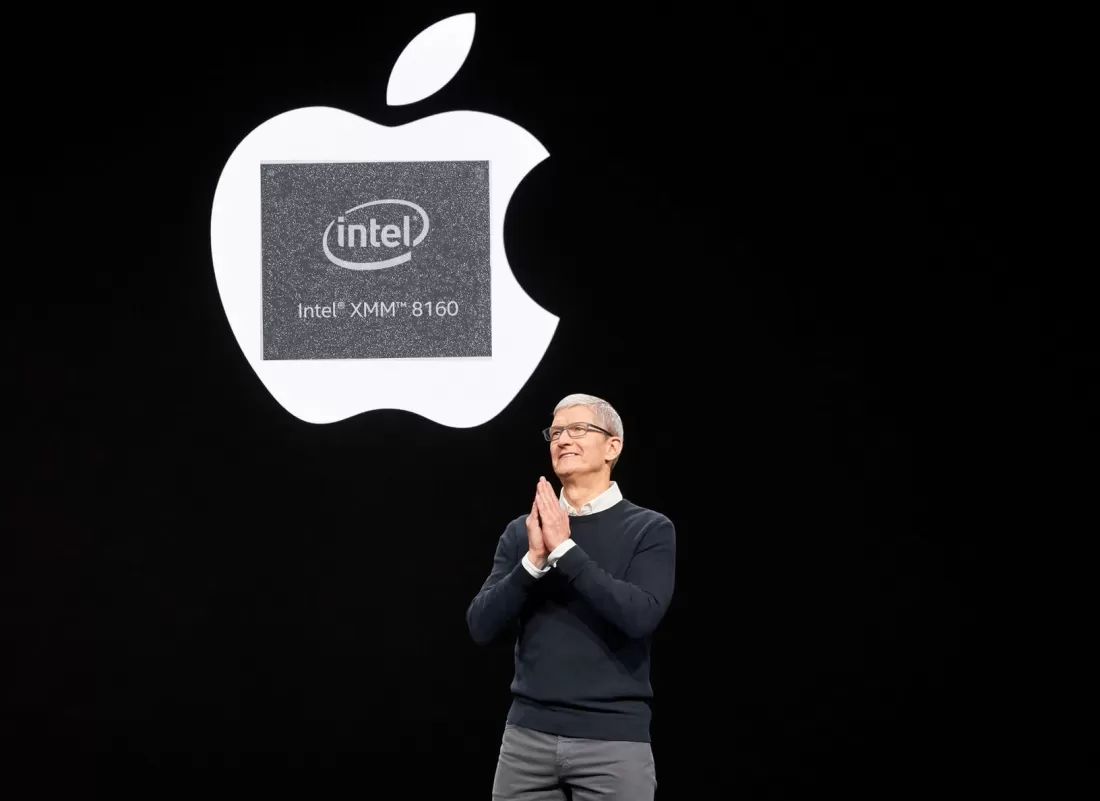
It's been six years since Apple announced plans to transition its Macs from Intel processors to Apple silicon. The move wasn't fully complete until June 2023, when Apple replaced the Intel Mac Pro with an Apple-silicon model.
In an email to developers obtained by 9to5Mac, Apple wrote: "We're reaching out to let you know that universal macOS apps on the Mac App Store that require macOS 13 or later can now remove support for Intel-based Mac computers."
"By removing support for Intel-based Mac computers, you can simplify your development and optimize your download and on-device size," the email adds.
When Apple announced macOS 26 Tahoe last year, it said it would be the last major macOS release to run on Intel-powered Macs. A new support document explains that on Apple-silicon Macs running macOS 26.4 or later, users may receive a system notification when launching apps that rely on Rosetta – a translation tool that lets M-series Macs run older software built for Intel processors. This will alert them to update to an Apple-silicon-native version.
macOS 27 will be the final release to provide general-purpose Rosetta support, meaning later versions will no longer run most Intel-only apps on Apple-silicon Macs – there are limited exceptions for certain older games.
Apple wants developers to focus on building apps optimized for the company's silicon, as opposed to building versions for both Apple-silicon and Intel Macs.
"To remove Intel support, update your app build settings to 'arm64' only. Then rebuild and submit your app to the Mac App Store," Apple wrote.
If, like me, you still have an ancient Intel Mac that you occasionally use, you will at least still be able to access the apps – although future updates may stop if their developers drop Intel support.
The public beta of macOS 27 arrived in July. Named Golden Gate, it introduces several upgrades, including a more capable Siri that can understand on-screen content, search the web, draft documents, and locate locally stored photos and other media using natural-language requests.
The update also improves support for ultrawide monitors, allowing resolutions up to 5K at 120Hz, and adds a new opacity slider for adjusting the transparency of Apple's Liquid Glass interface.
Still using an Intel Mac? Apple just gave developers another reason to leave it behind


