First look: TeamGroup arrived at Computex 2026 with a clear message: storage hardware can be a tool for data protection, not just speed and capacity. That idea is most evident in its latest external SSD, which is designed for situations where the primary risk is unauthorized access rather than data loss.
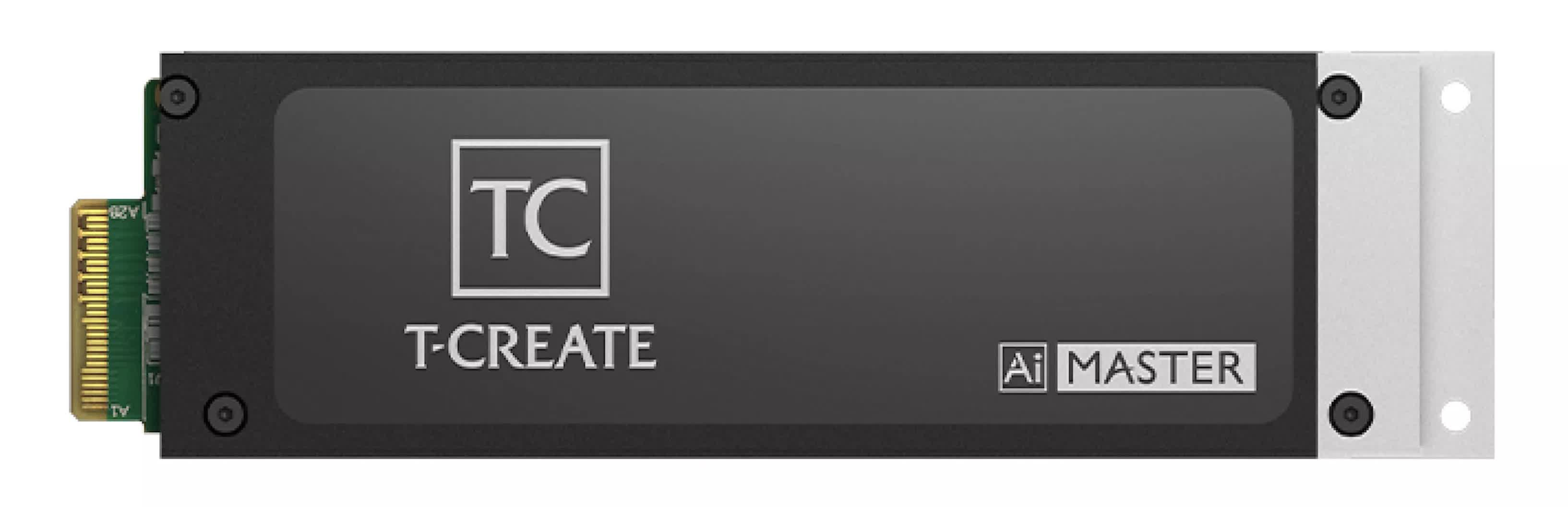
The company's new T-Create Expert P35SG is an external SSD that can effectively destroy itself on command. Unlike earlier concepts that relied on physical triggers, this version works remotely. The drive uses a 4G LTE connection, allowing users to access it even when it is not plugged into a computer or connected to Wi-Fi. A simple text message is all it takes to initiate the wipe process.
Once triggered, the drive doesn't just delete files. It runs through a two-step sequence designed to eliminate any chance of recovery. First, it performs a deep logical wipe of the data stored on the drive. That is followed by a high-voltage process that physically damages the hardware itself. The goal is simple: nothing on the drive should be recoverable.
The concept builds on an earlier TeamGroup product that required a manual button press to trigger a similar self-destruct sequence. Moving that capability off the device and into a wireless framework changes how the technology can be used. It's less about last-resort panic and more about remote risk management, particularly in situations where devices are lost, stolen, or otherwise out of reach.
For users who still prefer a physical control, TeamGroup also introduced the T-Create Expert P35S. This version retains the same destruction mechanism but relies on a built-in button instead of remote activation. It's a more traditional approach, while maintaining the same emphasis on data security.
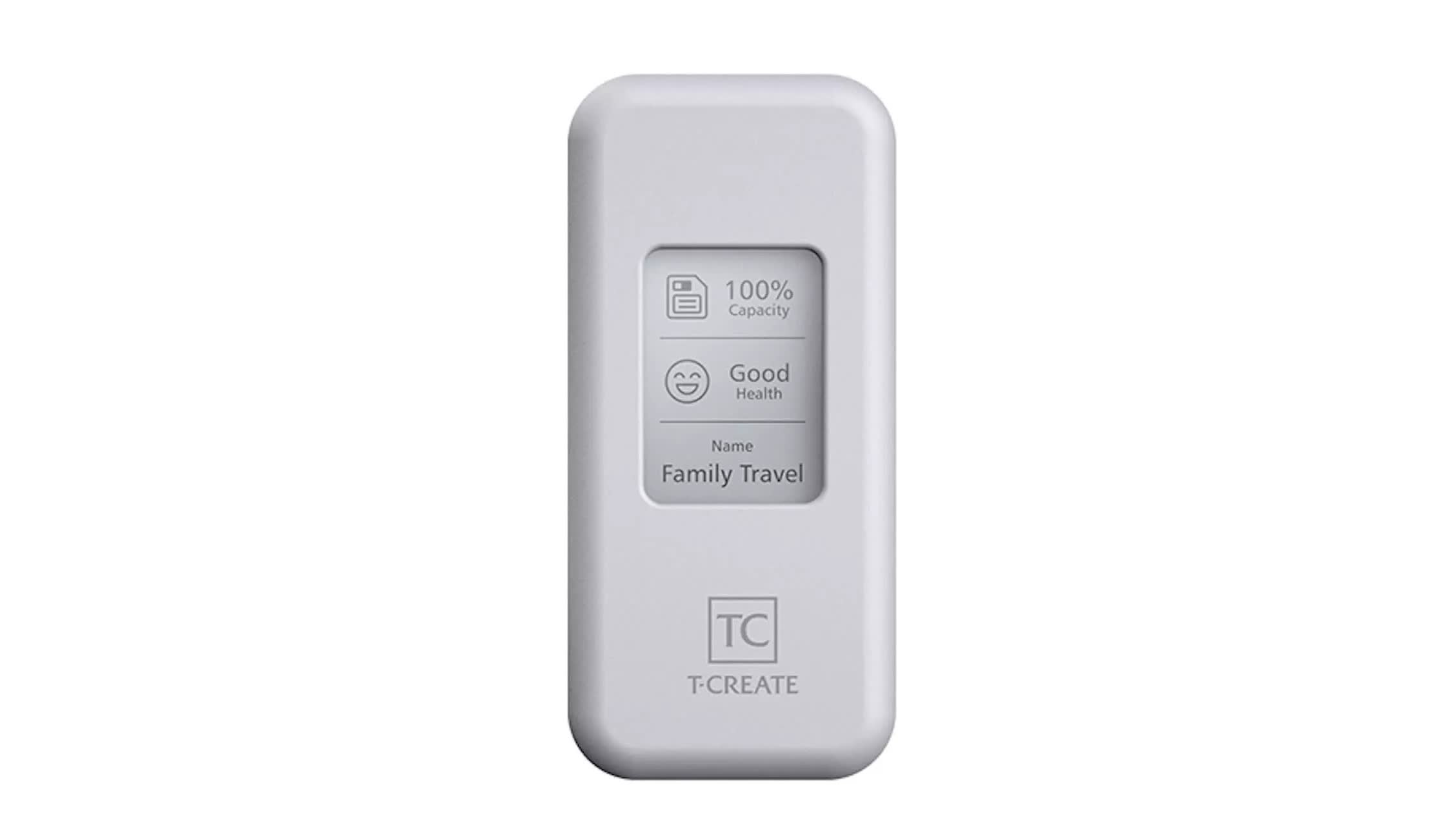
Not everything in the lineup was designed around worst-case scenarios. The company also showcased the T-Create Expert P33 external SSD, which takes a more practical approach to usability. It features an e-Paper display that lets users check capacity, health status, and identifying information without plugging the drive into a computer. For anyone juggling multiple drives, it's a small addition that could eliminate a lot of guesswork.
Memory was another focus, particularly for AI workloads. The T-Create Expert AI 4R CUDIMM pushes capacity limits by packing 128GB onto a single DDR5 module using a quad-rank design.
In a demonstration, the module was paired with a second stick on an MSI MEG Z890 Unify-X motherboard with two DIMM slots, bringing the total system memory to 256GB. That kind of capacity is becoming increasingly relevant for developers running local AI models, where memory constraints can quickly become a bottleneck.
On the consumer side, one of the more unusual products was the T-Force Liquid II SSD cooler, which applies liquid cooling – typically reserved for CPUs and GPUs – to storage devices. It combines a heatsink, a small fan, and liquid coolant to manage temperatures on high-speed SSDs that tend to run hot under sustained workloads. The coolant is rated to last about five years and can be topped up, making the cooler feel designed for long-term use rather than just a showpiece.
The company also unveiled low-profile DDR5 memory under the T-Force DARK RGB line. These modules are designed for compact systems while still delivering high speeds and full RGB lighting. It's a nod to the growing demand for small-form-factor builds that don't sacrifice performance.
Rounding out the announcements was a series of carbon-fiber-themed components marking the 10th anniversary of the T-Force brand. While largely cosmetic, the lineup spans a range of products, including DDR5 memory and PCIe 5.0 SSDs, reinforcing the company's focus on blending design with performance.
Ultimately, the showcase points to a broader shift in how hardware is being positioned. Storage, in particular, is evolving from a passive component into a more active one – capable not only of holding data but also of protecting it, even in extreme scenarios.
Image credit: Tom's Hardware
TeamGroup built an external SSD that destroys itself when you send it a text message


