Tesla launches a longer six-seat Model Y to replace the Model X for many buyers

Skye Jacobs

Posts: 2,010   +58
Staff
First look: Tesla is sticking with a familiar strategy of adding new versions of models that already sell well. This time, it's a stretched, six-seat version of the Model Y, now on sale in the US after a federal EV tax credit was removed. The new Long Wheelbase variant starts at $61,990. It's still a Model Y at its core, but longer and upgraded with more space, cabin tech, and premium touches.
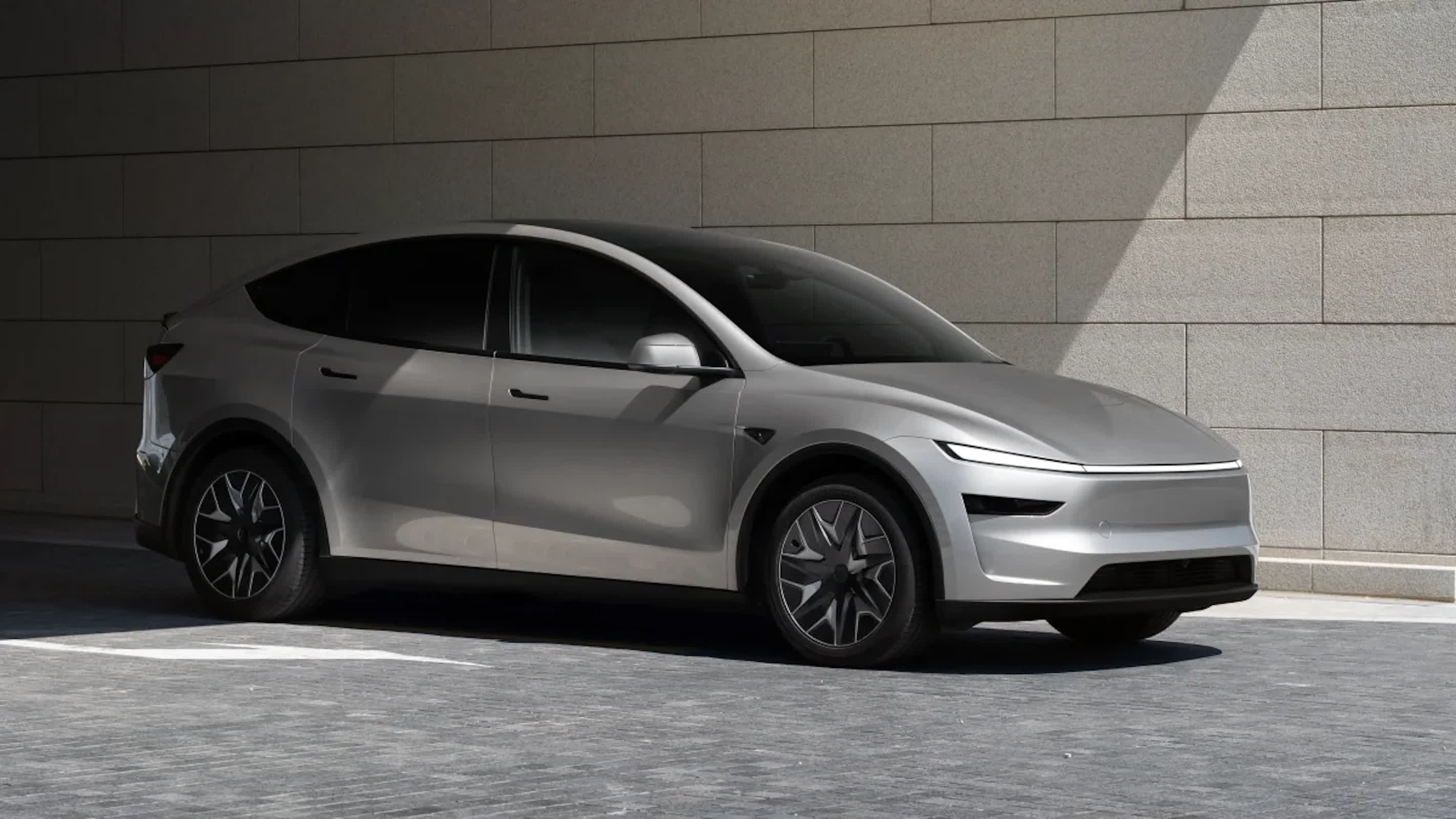
Tesla has taken this approach before. Instead of launching brand-new cars, the EV giant has focused on new versions of the Model Y and Model 3 to support demand. Tesla rolled out the longer Model Y L in China last year, where it lifted sales even as local rivals like BYD gained ground. Tesla then brought the longer Model Y to additional countries in the Asia-Pacific.

The company is now using the same playbook in the US, following a strong second quarter that beat Wall Street forecasts thanks to a rebound in Europe. Analysts hope that moves like this will help Tesla break its two-year run of declining annual deliveries.

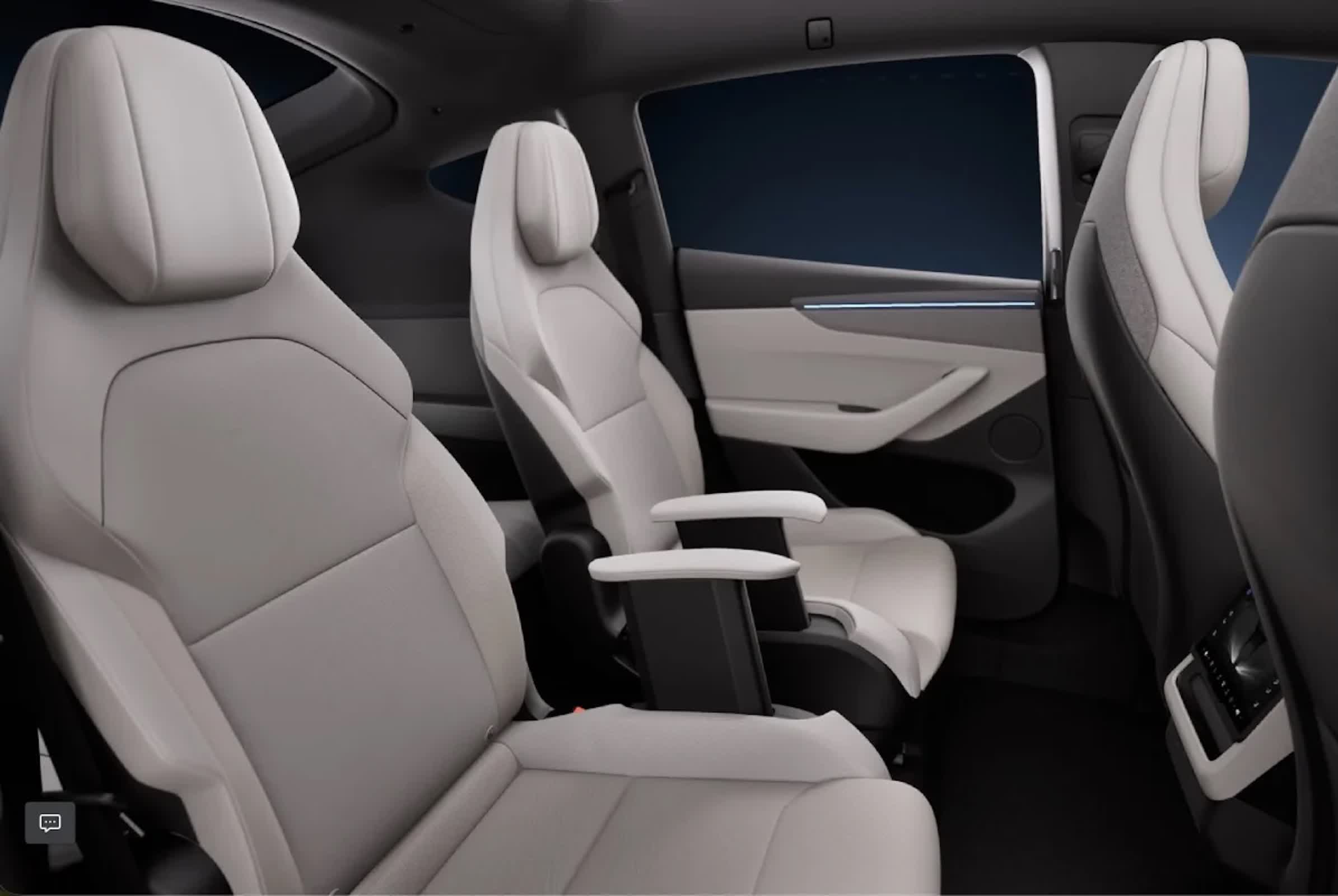
The most visible change is the vehicle's size. It's about seven inches longer than the standard Model Y, bringing its total length to 196 inches, or around 16.3 feet. The extra length makes room for three rows, with six seats in a 2-2-2 layout. This differs from the earlier seven-seat option on the standard Model Y, which has been criticized for its tight third row.
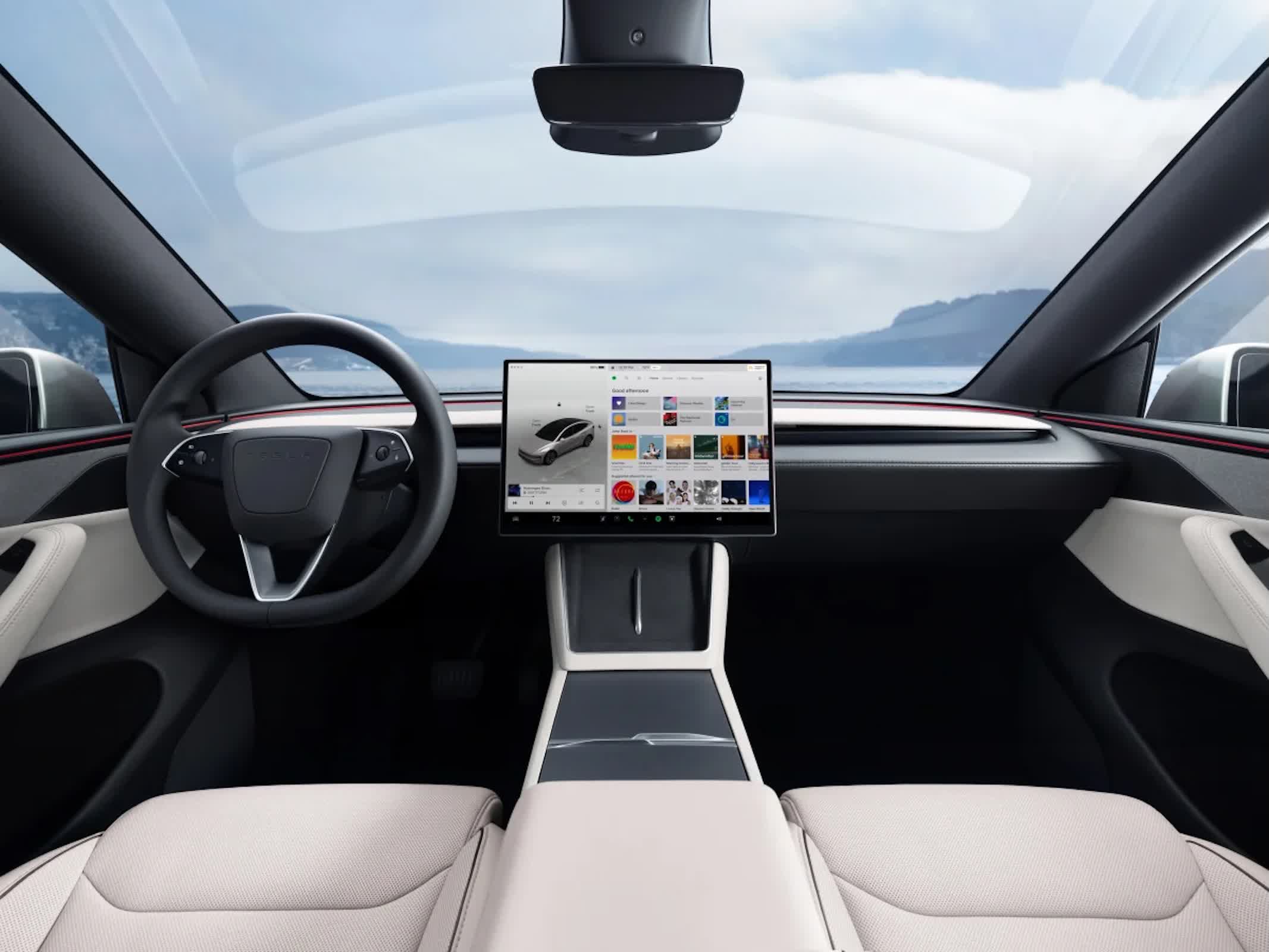
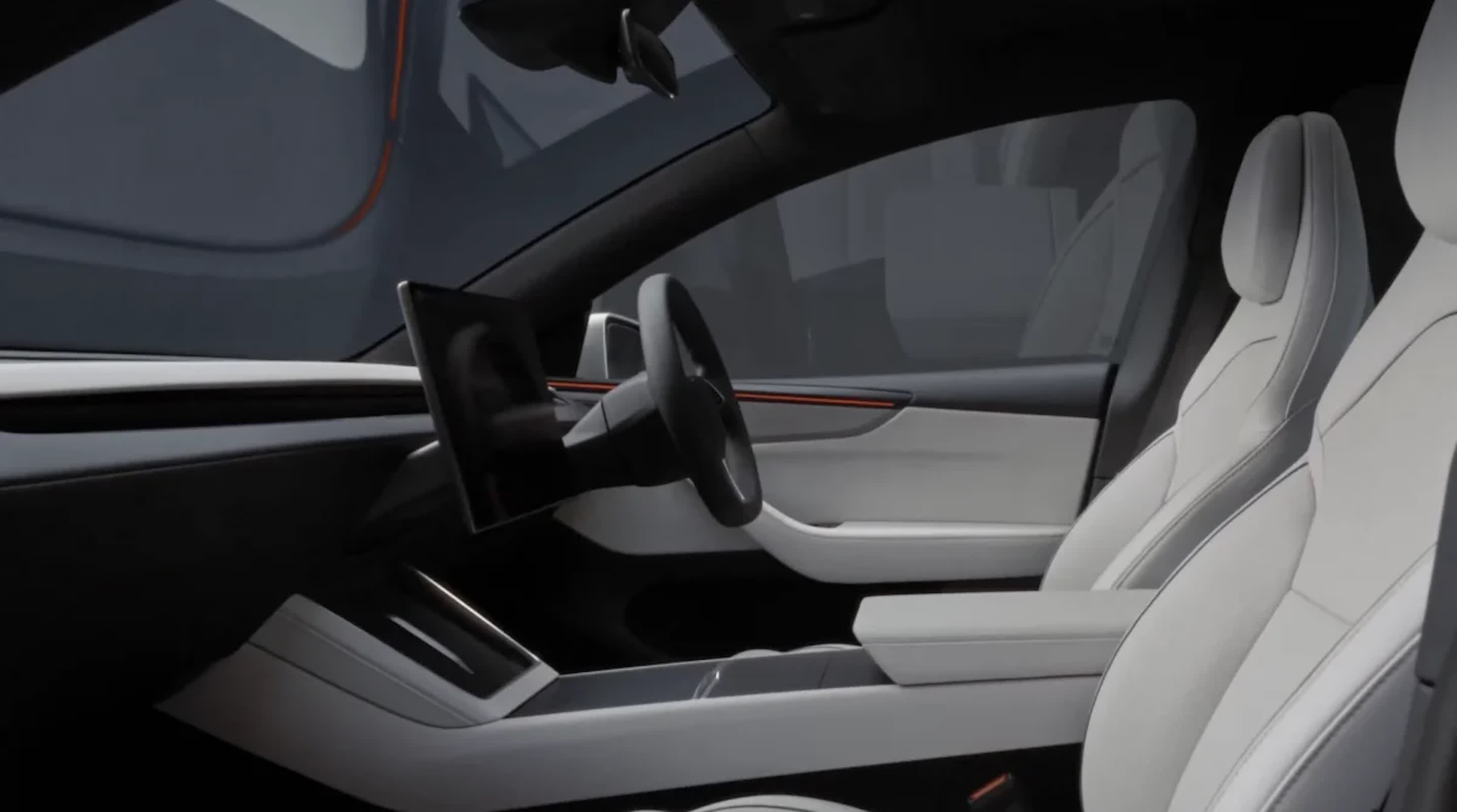
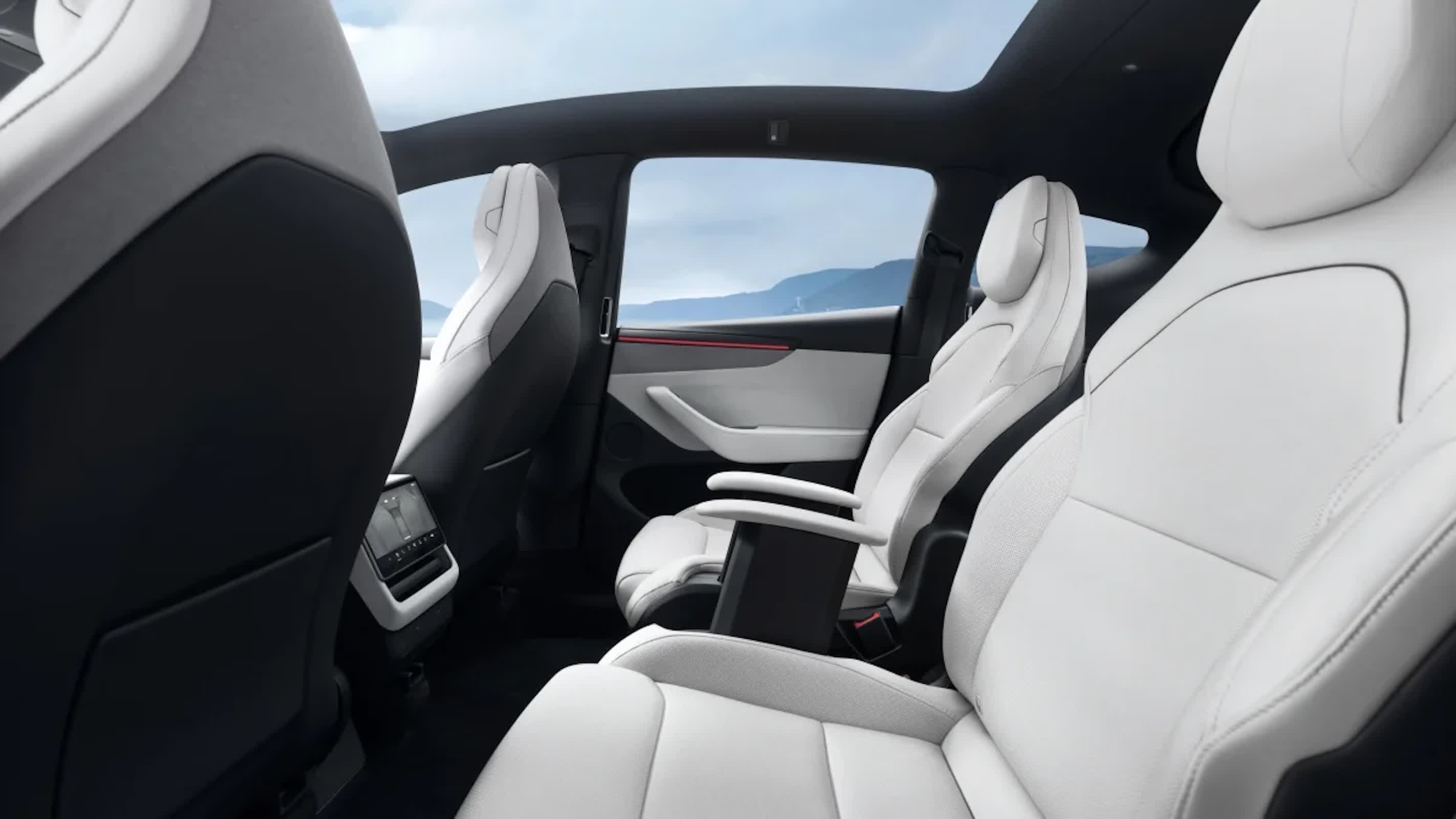
Inside, Tesla adds a familiar blend of software features and hardware upgrades. The front row centers around a 16-inch touchscreen, while second-row passengers get their own 8-inch display mounted behind the center console. Wireless charging pads have been upgraded to 50 watts and include active cooling to prevent overheating during use.

The Launch Series trim includes several software-linked extras. Buyers get one year of Full Self-Driving (Supervised), along with a year of free Supercharging and Premium Connectivity. Launch Series buyers can pick any paint, interior, and wheel option at no extra cost, and they get unique badging plus upgraded mats, puddle lights, and trim pieces.
The US version uses an 83 kWh battery pack, smaller than the 88 kWh version used in China-built models. Tesla says the vehicle still delivers about 325 miles of range. It also offers vehicle-to-load capability and full PowerShare support, making it only the second Tesla in the US to have those features, after the Cybertruck.

Many of the other changes aim to improve ride comfort. The Model Y Long Wheelbase gets a second-generation suspension system with adaptive damping, along with a staggered tire setup to improve handling. The cabin uses 360-degree acoustic glass, a silver-coated roof to reduce heat gain, and a HEPA air filter.

Tesla has added more comfort features for passengers in all three rows. The second row uses independent captain's chairs with heating, ventilation, electric armrests, and one-touch power folding. In the third row, seats recline electrically and get their own air vents and overhead lights.
Production and testing in the US had been hinted at for months, with sightings near Tesla's Texas factory suggesting a domestic launch was coming. The timing may also reflect a gap in Tesla's current lineup. With Model X orders discontinued earlier this year, the longer Model Y can fill that role for buyers who need more space but still want Tesla's higher-volume crossover
Permalink to story:

 
Love how they're offering some "options" for a year and then taking them away from you, only forcing you to pay a subscription fee (or maybe a single lifetime fee, I haven't checked to confirm) IF you want to keep these options available to you after the 1 year test phase they let you have.

This so makes me want to buy a new car so new features on it can be dangled over my head after the introduction phase ends and if I want to keep them I'll have to continue to pay a fee for them.
 
Love how they're offering some "options" for a year and then taking them away from you, only forcing you to pay a subscription fee (or maybe a single lifetime fee, I haven't checked to confirm) IF you want to keep these options available to you after the 1 year test phase they let you have.

This so makes me want to buy a new car so new features on it can be dangled over my head after the introduction phase ends and if I want to keep them I'll have to continue to pay a fee for them.

As far as Tesla goes, IIRC all they did was switch their FSD from a $10k option to a $99 or $149 monthly subscription. Other than that, when was the last time an automaker has offered a year of free gas? It's called a purchase incentive.
 
As far as Tesla goes, IIRC all they did was switch their FSD from a $10k option to a $99 or $149 monthly subscription. Other than that, when was the last time an automaker has offered a year of free gas? It's called a purchase incentive.
Not even the same.

You know when you purchase a ICE vehicle it'll require gasoline. If a company wants to incentives you with offering some gas for your purchase, that's just an incentive.

When a car company gives access to functionalities of the car and then takes them away unless you want to pay more for it, that's just shitty. As it stands with this Tesla model, it's posted as such:

Launch Series includes: 1 year of FSD (Supervised), 1 year of Supercharging, 1 year of Premium Connectivity

After 1 year you lose functionalities the car came with so they can nickle and dime you hoping you will pay extra subscription fees. When you free gas card runs out your car doesn't lose any functionalities.
 
Not even the same.

You know when you purchase a ICE vehicle it'll require gasoline. If a company wants to incentives you with offering some gas for your purchase, that's just an incentive.

When a car company gives access to functionalities of the car and then takes them away unless you want to pay more for it, that's just shitty. As it stands with this Tesla model, it's posted as such:


After 1 year you lose functionalities the car came with so they can nickle and dime you hoping you will pay extra subscription fees. When you free gas card runs out your car doesn't lose any functionalities.


Unfortunately these features cost Tesla money to maintain, so this is all a given. The infrastructure for their charging network, the cellular data for premium connectivity, and the servers and R&D for FSD, these are all continuous costs. This isn't a heated seat subscription...
 
Unfortunately these features cost Tesla money to maintain, so this is all a given. The infrastructure for their charging network, the cellular data for premium connectivity, and the servers and R&D for FSD, these are all continuous costs. This isn't a heated seat subscription...
Why would something like supercharging need a continuous cost for someone that's paid for the car to keep functional? Supercharging is supposed to allow you to fast charge your car. There is no upkeep to maintain this functionality, it is just blocked unless you constantly pay for it.

Here are key features of the "premium connectivity":

  • Live Traffic Visualization & Satellite-View Maps: Displays real-time traffic flow on your navigation screen with highly detailed, visual map backgrounds.
  • Music and Video Streaming: Allows native in-car use of apps like Spotify, Apple Music, Netflix, and YouTube over cellular (requires separate subscriptions to the streaming services).
  • Live Sentry Mode Camera: Allows you to remotely view your vehicle's surroundings through your smartphone's Tesla app.
  • Internet Browser: Full access to browse the web from your vehicle's touchscreen.
  • Caraoke: In-car sing-along karaoke features for passengers

Why would you want to pay for this? You don't need caraoke, sure it could keep some people entertained, but not something worth paying a subscription for. As for browsing the internet from the touch screen, that's just a shitty idea (distraction to the driver, even if they're not the ones using it, it's still in their line of vision). Blocking music/video streaming to be natively used with the car...way to stick it to the customers, Tesla.

The only useful ones might be the live camera feed ones, but even then the cameras are always running on the car, they're simply blocking access behind a paywall and suggesting that someone paying $100 a year to help maintain R&D or server upkeep, that amount is laughable because it won't even scratch the surface of the costs of these things.

You're free to think of it how you like and so am I. I'm just calling as I see it, shitty to paywall features after you've let a customer use them. You can't convince me otherwise that it's a good policy.

I'll vote with my wallet, I won't support a company that does this. Sadly, though, I believe these things will become more and more prevalent with more and more companies as time goes on - blocking functionalities of a car without paying a subscription price and we'll all one day be unable to avoid it.
 
Are station wagons ('estate cars') making a come back? Heck yeah!
That's what family cars should look like instead of family ending SUVs.
If you think getting hit by a 5000 lb EV is going to end well for you....good luck.

Also this isn't an estate. It is a crossover, now a lengthened one. A sportwagen this is not.
 
Why would something like supercharging need a continuous cost for someone that's paid for the car to keep functional? Supercharging is supposed to allow you to fast charge your car. There is no upkeep to maintain this functionality, it is just blocked unless you constantly pay for it.

Tesla does not block you from fast charging due to that feature being paywalled. They have, for years, charged higher rates for faster charging speeds (since it costs them more to deliver higher rates of electricity anyways). That's a part of their charging infrastructure business model as a whole; it has nothing to do with their vehicles, given that non-Tesla vehicles can also charge at superchargers. If you want to charge in 20 minutes instead of 60, it'll probably cost more, no matter where you charge. The only reasons Tesla would slow your charging down comes down to their ability to even supply the electricity at the moment (depending on infrastructure capability and current demand) or poor EV battery health.

Here are key features of the "premium connectivity":

Live Traffic Visualization & Satellite-View Maps: Displays real-time traffic flow on your navigation screen with highly detailed, visual map backgrounds.
Music and Video Streaming: Allows native in-car use of apps like Spotify, Apple Music, Netflix, and YouTube over cellular (requires separate subscriptions to the streaming services).
Live Sentry Mode Camera: Allows you to remotely view your vehicle's surroundings through your smartphone's Tesla app.
Internet Browser: Full access to browse the web from your vehicle's touchscreen.
Caraoke: In-car sing-along karaoke features for passengers

Yes, and these features all REQUIRE a cellular network, just like your smartphone requires a cellular network. Sentry mode will still work without it, you just won't be able to view clips remotely, and any clips will be saved to the vehicle's internal storage. I'm sure other features work in a reduced capacity as well. Being restricted in functionality based on having no access to the infrastructure has been the reality of technology for decades now.

Maybe you could make the case that we should just be able to route these features through a phone's cellular connection, but that would be less practical and significantly less reliable. $10/mo isn't much to give a car its own dedicated cellular data connection (which, by the way, we've been doing for the last decade+ for a monthly fee anyways).

You're free to think of it how you like and so am I. I'm just calling as I see it, shitty to paywall features after you've let a customer use them. You can't convince me otherwise that it's a good policy.

Would it be better in your opinion to just have no purchasing incentives then? This is how Tesla has decided to attract buyers of both the vehicle and their services.

Unlike heated seats and horsepower boosts, these services all REQUIRE the use of complex, national and global infrastructures in order to function. FSD requires enormous compute for training. These are constant expenses for Tesla, whether you pay for or use them or not.

I'll vote with my wallet, I won't support a company that does this. Sadly, though, I believe these things will become more and more prevalent with more and more companies as time goes on - blocking functionalities of a car without paying a subscription price and we'll all one day be unable to avoid it.

I'm genuinely curious as to who is doing EVs better at the moment. I'm sure arguments could be made in favor of certain aspects of Rivian or Lucid, but, overall, the Tesla ecosystem is far more mature and robust.
 
Tesla does not block you from fast charging due to that feature being paywalled. They have, for years, charged higher rates for faster charging speeds (since it costs them more to deliver higher rates of electricity anyways). That's a part of their charging infrastructure business model as a whole; it has nothing to do with their vehicles, given that non-Tesla vehicles can also charge at superchargers. If you want to charge in 20 minutes instead of 60, it'll probably cost more, no matter where you charge. The only reasons Tesla would slow your charging down comes down to their ability to even supply the electricity at the moment (depending on infrastructure capability and current demand) or poor EV battery health.


Yes, and these features all REQUIRE a cellular network, just like your smartphone requires a cellular network. Sentry mode will still work without it, you just won't be able to view clips remotely, and any clips will be saved to the vehicle's internal storage. I'm sure other features work in a reduced capacity as well. Being restricted in functionality based on having no access to the infrastructure has been the reality of technology for decades now.

Maybe you could make the case that we should just be able to route these features through a phone's cellular connection, but that would be less practical and significantly less reliable. $10/mo isn't much to give a car its own dedicated cellular data connection (which, by the way, we've been doing for the last decade+ for a monthly fee anyways).


Would it be better in your opinion to just have no purchasing incentives then? This is how Tesla has decided to attract buyers of both the vehicle and their services.

Unlike heated seats and horsepower boosts, these services all REQUIRE the use of complex, national and global infrastructures in order to function. FSD requires enormous compute for training. These are constant expenses for Tesla, whether you pay for or use them or not.


I'm genuinely curious as to who is doing EVs better at the moment. I'm sure arguments could be made in favor of certain aspects of Rivian or Lucid, but, overall, the Tesla ecosystem is far more mature and robust.
You like idea of subscription based services from car dealers - good for you. You can have it.

You want to support the subscription based services and try to justify it so it makes sense in your mind, you do you. I think it's a shitty business concept no matter the application, but even more so for cars. This is something people should not support because the more and more you let these companies get away with, the more and more they'll take away from you.
 
Does anyone not make a HUGE vehicle these days? 3 row seats, Pickup trucks & SUV's that you almost need a ladder to get into.
Does anyone still make a 4-5 passenger sedan these days?
I've been driving Mustang's for over 40 years, but heck, even Ford gave up on passenger cars. The ONLY one they sell in America is the Mustang. No Focus, Fiesta, Fusions etc...Just the Mustangs, SUV's and trucks. 😠
 
You like idea of subscription based services from car dealers - good for you. You can have it.

You want to support the subscription based services and try to justify it so it makes sense in your mind, you do you. I think it's a shitty business concept
You might want to get your facts straight. The "free year of supercharging" isn't simply to allow the capability (that's always free) but free charging itself -- one full year of free fuel.

As for subscription-based services, when features require a continual cost to the manufacturer to keep them active, what sort of low-grade intelligence would not expect to pay a monthly fee? It's the difference between buying a cell phone (one-time charge) and access to the cell phone network (continual fee). GL on buying a phone and expecting to get much use out of it without that monthly subscription.
 
Last edited:
Three rows of seats but only a total of six people? I seem to remember my grandmother's 1950 Chevy had only two rows but still provided room for six. And when my mother's car had the newfangled bucket seats in the sixties it still carried five people. Progress?
 
Back