
The big picture: Tesla boss Elon Musk has long promised that autonomous vehicle owners could one day lend their cars to the company's Robotaxi fleet to earn passive income. However, Tesla's timeline has remained vague until now. Although the company is making real progress on its self-driving ambitions, its recent projection may just be the latest in Musk's long string of overconfident predictions.

During Tesla's third-quarter earnings call on October 21, VP for Autonomous Driving Ashok Elluswamy announced the company's aim to let some Model Y owners add their vehicles to Robotaxi's autonomous fleet around the second quarter of 2027. The feature, which would enable users to earn money from ride-hailing, has long been one of CEO Elon Musk's core promises.
Several years have passed since Musk first stated that Tesla owners could one day program their autonomous vehicles to search for fares when not in use. This is possible because the software that runs the company's fully autonomous Cybercabs can also run on the Model Y, which will receive it with the release of V15. However, the vehicles would also need to be integrated into Tesla's geofenced operating areas and fleet-management system before they could join the Robotaxi service.
– Tesla (@Tesla) October 21, 2026
Entrepreneurs might be able to establish small ridesharing businesses with private fleets of Teslas or Cybercabs. However, the company's history with deadlines suggests that, if this vision becomes reality, it will likely happen much later than the second quarter of 2027.
Musk initially estimated that a million robotaxis would be on the road by 2020, but Tesla didn't launch the service until the summer of 2025, when a small number of vehicles began operating in parts of Austin. While the cars drove themselves, the company still hired human monitors to accompany riders in case something went wrong.
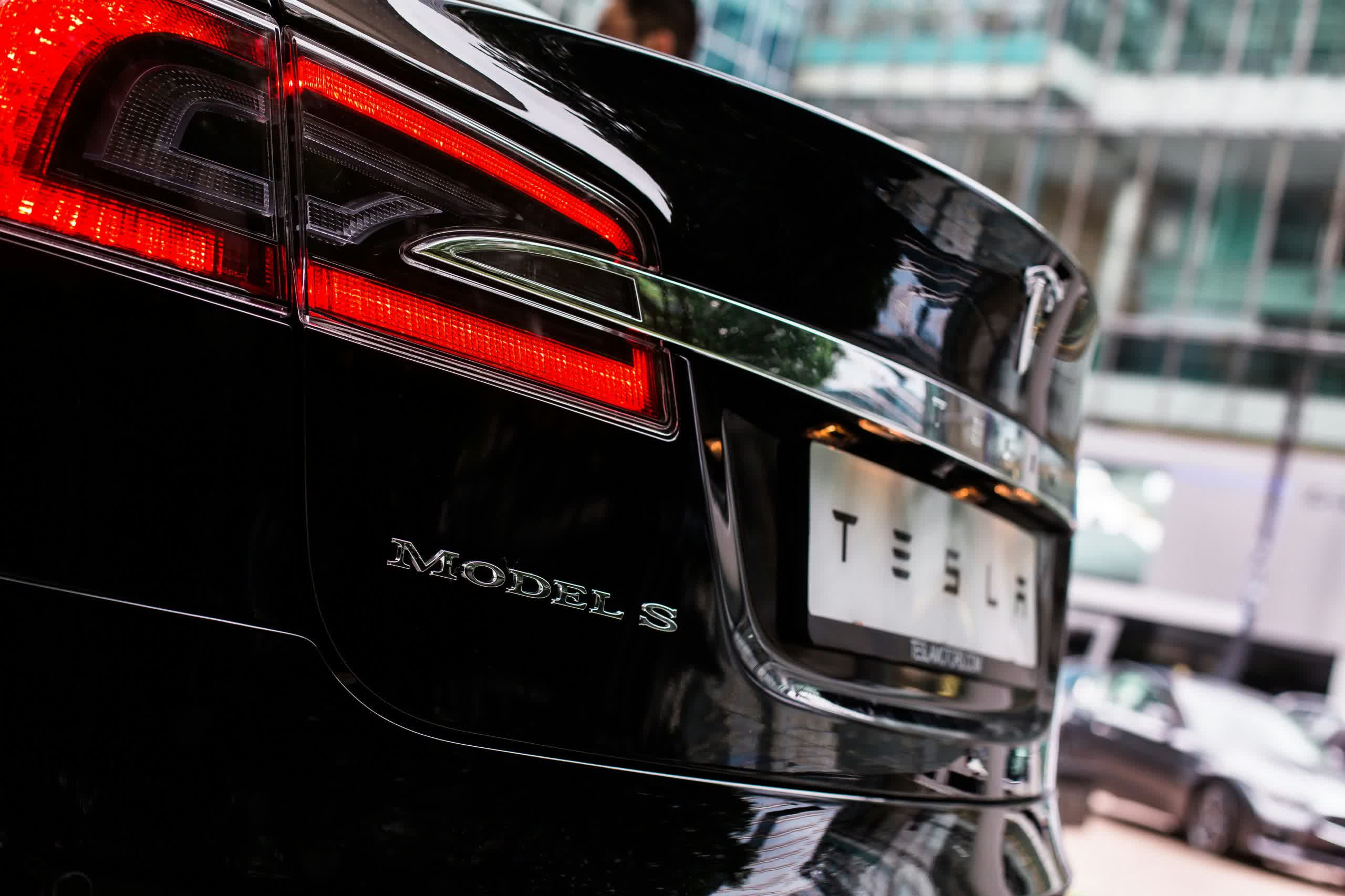
Those vehicles have since recorded more crashes per mile than typical human drivers. The primary cause might be what enabled Tesla to deploy its cars more cheaply than rivals like Waymo: self-driving software that only uses vision to scan its surroundings. In contrast, Waymo and Zoox also use radar and lidar for better range and accuracy.
Tesla currently operates a few hundred Robotaxis in Texas and Florida, and some still contain human supervisors. Musk attributes the slower-than-expected rollout to an abundance of caution over safety.
Despite the company's longer-than-expected struggle to distribute fully autonomous taxis across the US, customer interest is rising. More than three-quarters of new Tesla buyers in North America opted for Full Self-Driving (Supervised) last quarter.
Tesla says some Model Y owners could join its Robotaxi fleet around Q2 2027


