What just happened? Tesla is trying to strike a balance between protecting its profit margins and staying competitive amid a wave of lower-priced electric vehicles from China. The two updated models reflect the company's effort to navigate an increasingly unpredictable EV market as the year draws to a close.
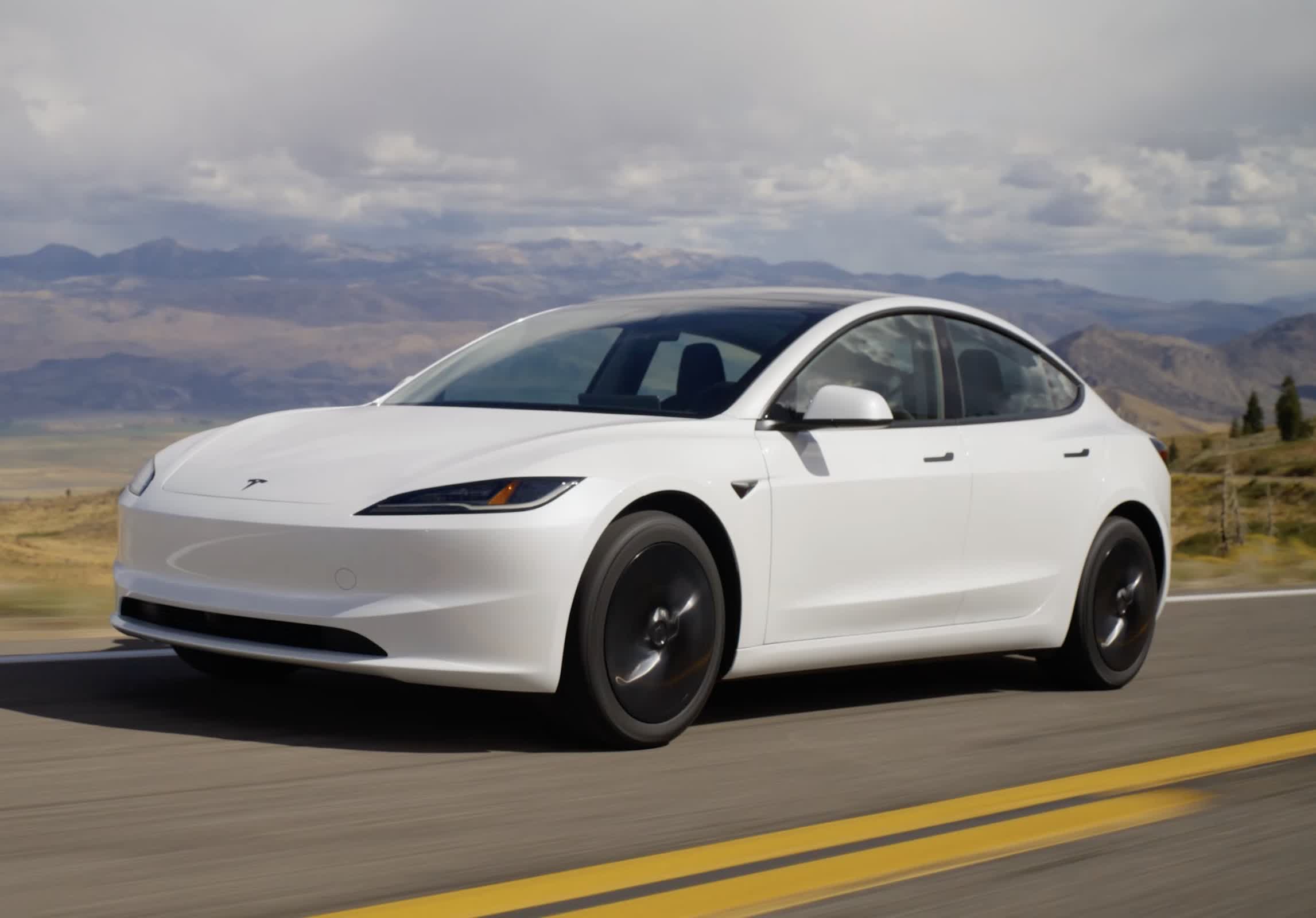
Tesla has introduced more affordable versions of its two best-selling vehicles, unveiling "standard" editions of the Model 3 sedan and Model Y SUV. The Wall Street Journal notes that both trims strip away some premium interior and exterior features to reach lower price points. The Model 3 Standard starts at $36,990, while the Model Y Standard begins at $39,990, putting them among the least expensive all-electric vehicles in the US. However, the new variants debut just after the expiration of the $7,500 federal EV tax credit that previously helped offset costs for buyers.
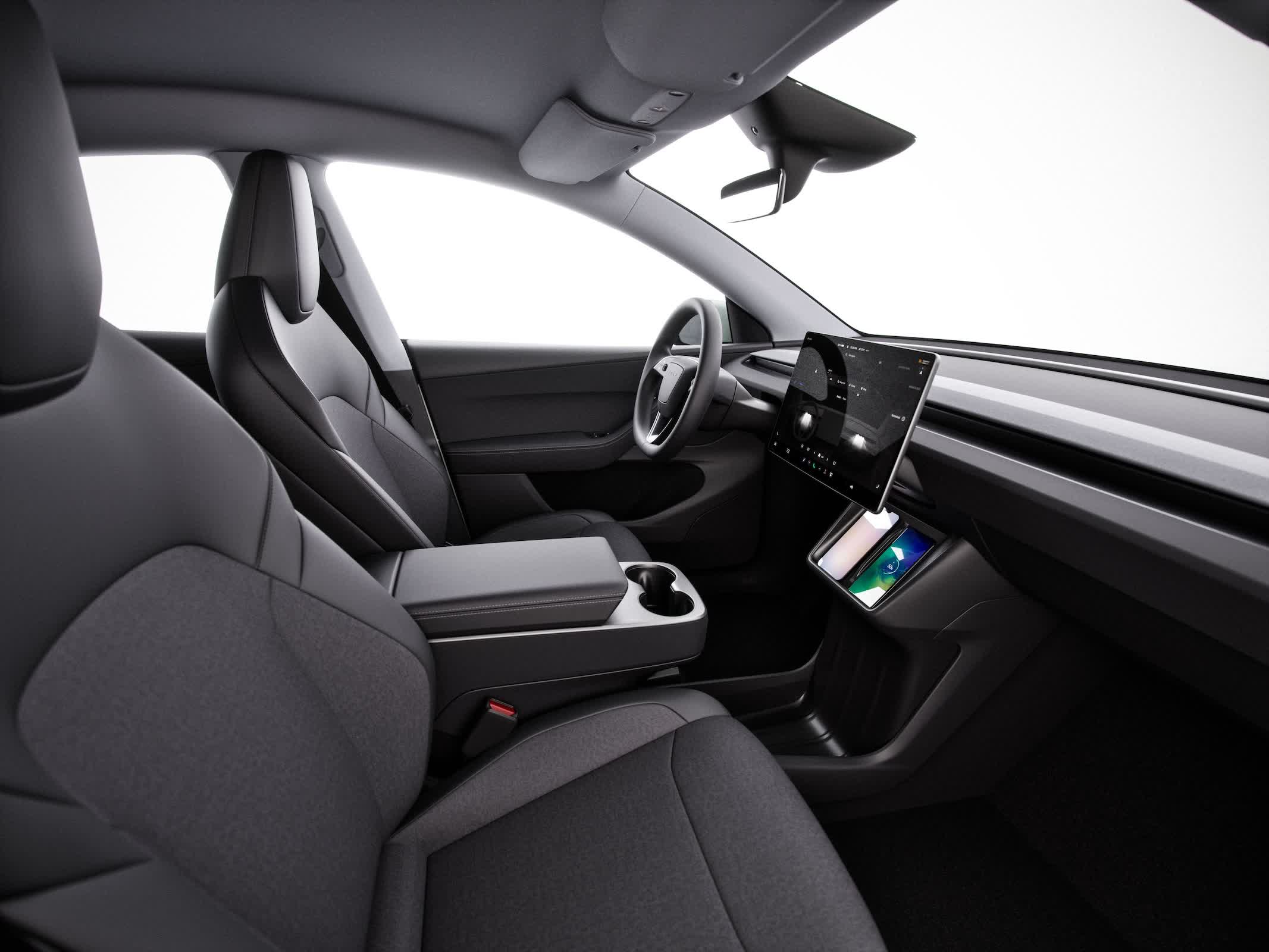
Tesla's new trims streamline the vehicles' designs while preserving the brand's signature minimalist aesthetic. The Model Y replaces its front light bar with two standard headlights and features a slightly revised roofline. Both the Model Y and Model 3 use a combination of cloth and synthetic leather for seating and remove convenience features such as power-adjustable steering wheels, ambient interior lighting, and the AM/FM radio. Tesla also omits the rear passenger touchscreen and several of the speaker units found in the higher-end versions.
Both vehicles offer a 321-mile range per charge, which falls short of Tesla's long-range variants but still exceeds most competitors at similar price points. The Model 3 Standard costs about $5,500 less than the next trim in its lineup, while the Model Y Standard sits roughly $5,000 below the Long Range Rear-Wheel Drive version introduced earlier this year at $44,990.
Model Y Standard & Model 3 Standard are here pic.twitter.com/e2kXwAaQ0O
– Tesla (@Tesla) October 7, 2025
The introduction comes after a series of strategic reversals by Chief Executive Elon Musk regarding the company's approach to affordability. Tesla had long promised a $25,000 compact model, widely referred to as the Model 2, intended to broaden its customer base. Musk canceled those plans in 2024 to focus on the Cybercab, an autonomous vehicle platform that completely eliminates human driving controls. He has since emphasized that fully self-driving vehicles represent the company's future.
Elon Musk told investors last year that a standard $25,000 model no longer fits Tesla's strategy, calling it "pointless," while emphasizing the company's focus on autonomous driving and artificial intelligence over conventional vehicle design. After that pivot, Tesla briefly sold a stripped-down Cybertruck in April, but the company pulled it from production within months.
The expiration of the federal tax credit has heightened price sensitivity among consumers, prompting automakers like General Motors, Ford, and Hyundai to maintain incentives to sustain demand. Across the industry, manufacturers posted record third-quarter sales as buyers rushed to complete purchases before the credit ended on September 30.
Tesla's global deliveries rose 7.4 percent in the third quarter compared with a year earlier, reversing a steep first-half slump that had trimmed volume by more than 13 percent. On a July earnings call, executives avoided questions about upcoming lower-priced models until Musk stepped in to clarify that "it's just a Model Y," noting that introducing a more affordable version was about making the brand accessible.
"The desire to buy the car is very high, but people just don't have enough money in the bank account to buy it," he said. "So the more affordable we can make the car, the better."
Tesla targets budget EV buyers with pared-down Model 3 and Model Y


