Connecting the dots: Apple's smallest desktop is becoming an unexpected pressure point in Cupertino's hardware lineup. Memory-heavy versions of the Mac Mini and Mac Studio are increasingly difficult to find as demand from developers and power users collides with a supply strategy built around a somewhat niche product. What was long a marginal entry in Apple's portfolio is now tied directly to how people run local AI workloads.
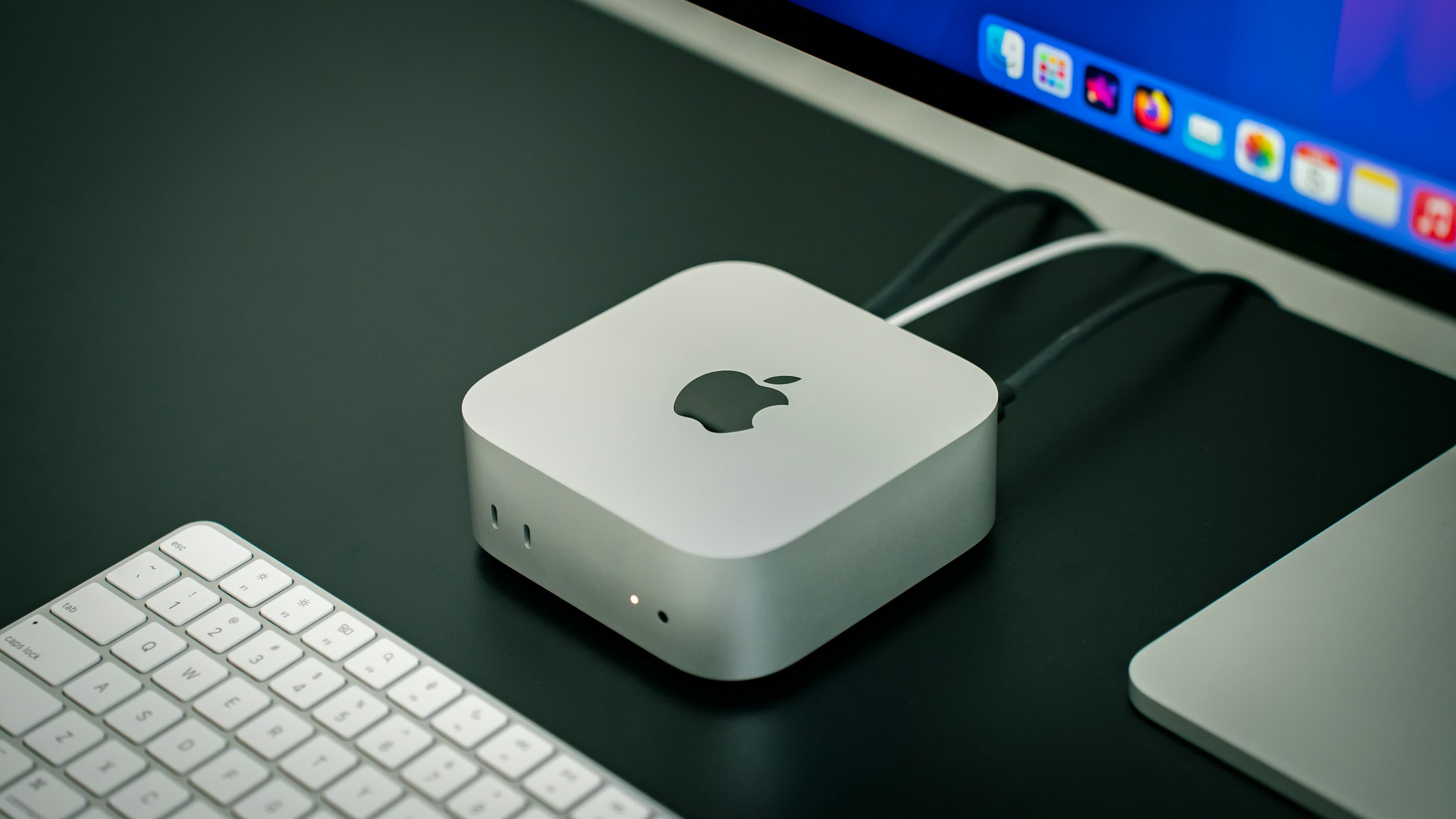
Consumer Intelligence Research Partners estimates the Mac Mini accounted for roughly 3% of Apple's US Mac unit sales last year. That position has shifted quickly.
In recent months, the compact desktop has emerged as a preferred platform for running persistent, local AI agents, mirroring a broader move across the industry toward on-device inference and away from purely cloud-hosted workflows.
At the center of that shift is memory. Running LLMs locally can demand tens of gigabytes of RAM, particularly for customized or always-on agents. The Mac Mini, a small desktop computer built on Apple Silicon, has become a relatively accessible way to support those workloads. Keeping inference on-device avoids usage caps and token-based pricing, a dynamic that has pushed more developers toward local setups.
The strain is now visible in Apple's storefront. Memory-heavy configurations, including M4 Mac Mini models with 32GB of RAM and M4 Pro variants with 64GB, are unavailable through Apple's website. Other configurations show shipping windows stretching from several weeks to as long as 12 weeks. A similar pattern is playing out with the Mac Studio, where higher-end builds have also slipped out of immediate availability.

Notably, the MacBook Pro, including configurations with up to 128GB of RAM, remains widely available with shorter delivery estimates. Lower-memory systems across the Mac lineup are also shipping without significant delays, suggesting the bottleneck is concentrated around specific high-capacity SKUs rather than the platform as a whole.
Apple has not offered a public explanation, but the underlying dynamics are becoming clearer. One factor is simple demand miscalculation. "Apple was caught up by the number of people buying Minis for Clawdbot [aka OpenClaw], which would have been impossible to predict a few months ago," Francisco Jeronimo, vice president at IDC told The Wall Street Journal.
That surge reflects how quickly open-source AI tooling has matured. Projects that enable local agent deployment with minimal setup have lowered the barrier to entry, effectively turning machines like the Mac Mini into lightweight infrastructure rather than conventional endpoints. Similar patterns have surfaced across the broader PC market in recent weeks, where vendors and component suppliers are seeing renewed interest in high-memory systems tailored for local inference.
Supply constraints may also reflect Apple's cautious inventory strategy. "The lead times on supply are longer than one might think," said CIRP co-founder Michael Levin. The Mac Mini remains a niche product in Apple's portfolio, and overproduction carries its own risks. As Levin put it, "Apple also doesn't want demand to wane suddenly and have a year or more of inventory sitting around."
Another variable is the product cycle. Apple's desktop Macs are due for updates, particularly as newer M5 chips begin appearing in other parts of the lineup. Analysts note that inventory tightening often precedes refreshes, though the current pattern is uneven.
Kieren Jessop, principal analyst at Omdia, observed that a typical prelaunch drawdown would affect all configurations, not just high-memory ones.
A broader industry factor – memory supply – has also come under scrutiny. AI infrastructure buildouts have increased global RAM demand, contributing to shortages that have already affected PCs and smartphones. Even so, Apple's vertically integrated approach to memory, embedding it directly into its system-on-chip designs, insulates it from some of the pressures seen elsewhere.
As Jessop noted, widespread supply issues would likely disrupt more of Apple's lineup. Jeronimo added, "If Apple can't get memory, no one else will."
The Mac Mini is no longer a niche product, it's local AI infrastructure


