The MP3 is almost 30, and it still sounds like the early internet

Skye Jacobs

Posts: 2,030   +59
Staff
Through the looking glass: Nearly three decades after its US patent date, the MP3 is no longer the cutting edge of audio compression. Yet support for it remains ubiquitous in media players, browsers, automotive systems, and embedded devices. For many people, it also evokes a particular moment in internet culture, when ripping, cataloging, and sharing files felt like core digital rituals rather than background processes handled by cloud services.

Patent number 5,579,430 does not read like a manifesto for a new music business, but its grant to Germany's Fraunhofer Institute on November 26, 1996, marked a clear turning point in how digital sound is stored, moved, and sold.

The patent's "digital encoding process" – better known as MPEG Audio Layer III, or simply MP3 – turned decades of psychoacoustic research into a practical codec. It made high-fidelity music files small enough for dial-up modems, early hard drives, and, eventually, pocket-sized players and phones.

The MP3 story, however, starts long before the US filing. Its origins can be traced to European labs in the late 1970s and 1980s, where researchers led by Dieter Seitzer and Karlheinz Brandenburg explored how much of a music signal the human ear actually needs.

Seitzer's group worked on transmitting music over ordinary phone lines, while Brandenburg – often described as the "father of MP3" – focused on applying psychoacoustic models, formal descriptions of how ears and brains mask and filter sound, to digital coding schemes.
The technical problem was straightforward to state and complex to solve: reduce the bit rate aggressively while keeping the perceived quality close to that of compact-disc audio sampled at 44.1 kHz and 16 bits per channel.

The final Layer III design, used in the MPEG-1 and later MPEG-2 audio standards, relied on a hybrid filter system that mixed a polyphase filter with a modified discrete cosine transform. It also used a psychoacoustic model to estimate which parts of the sound the ear wouldn't notice, letting the encoder compress those components more aggressively – or discard them entirely – without changing what people heard.

Also read: What Ever Happened to Winamp?

United States Patent 5,579,430, titled "Digital encoding process," describes a pipeline for transmitting or storing acoustic signals, especially music, that mirrors this architecture.

The MP3's impact came largely from the compression ratios it made possible. Typical encodings reduced file size by 75-95%. At 128 kbps, a three-minute song shrank from tens of megabytes to around 3 MB, a difference that mattered when storage shipped in megabytes and early internet access was billed by the minute.
Developers quickly added MP3 support to desktop software for ripping and playback. Early Windows applications like Winamp became lightweight hubs for managing local libraries of compressed files, while encoder libraries and command-line tools made it simple to automate CD-to-MP3 conversion at whatever bitrate users preferred.

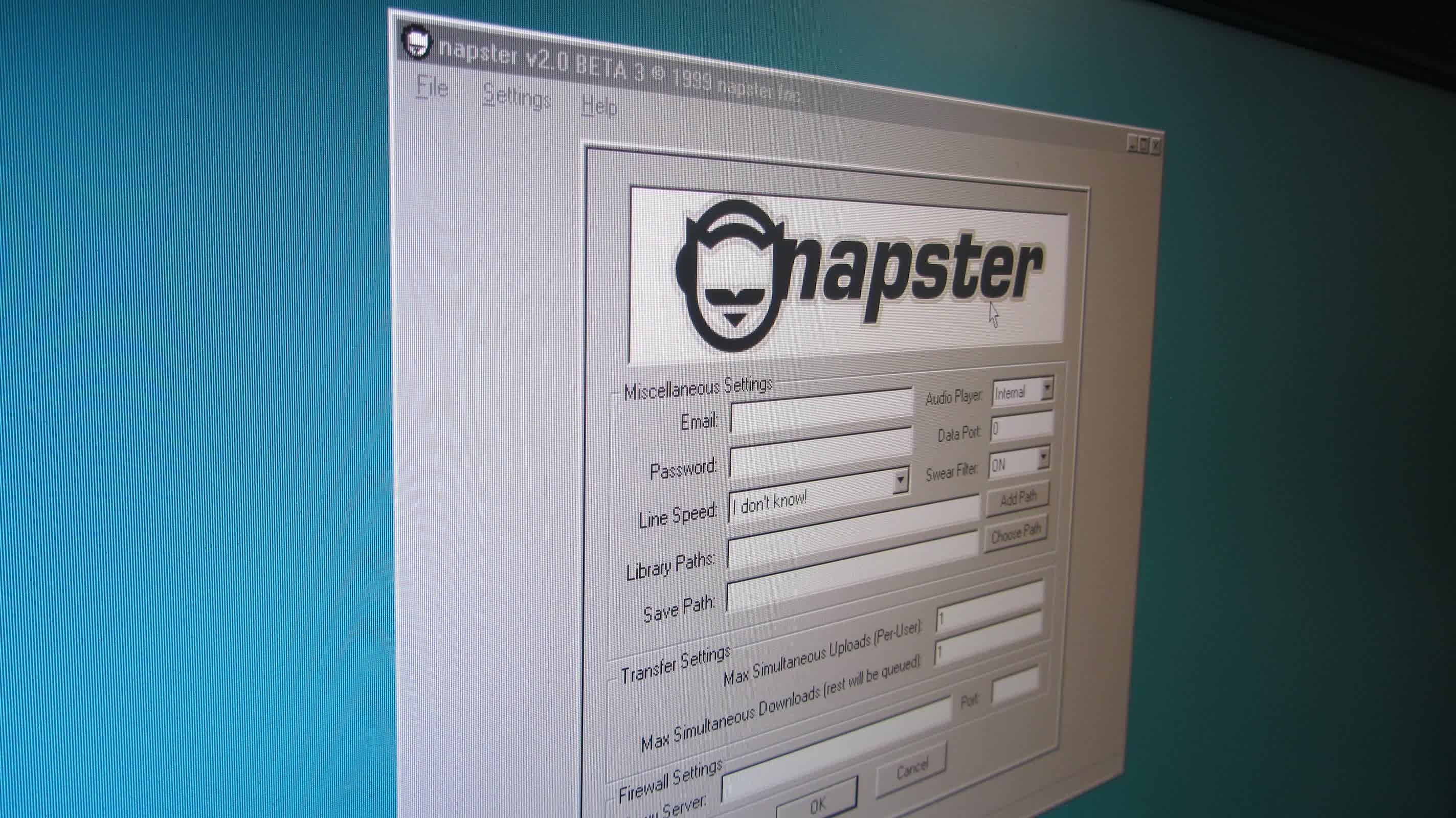
Once software encoders were widespread, converting CDs to MP3s and sharing them via FTP sites, private servers, and eventually peer-to-peer networks became trivial – often without any rightsholder permission. Napster's 1999 debut built a dedicated index and sharing system around MP3 files, turning consumers' personal collections into a massive distributed catalog reachable over increasingly fast home internet connections.

Hardware makers also jumped in, using emerging solid-state storage to create portable MP3 players. Devices like Saehan's MPMAN in Korea and Diamond Multimedia's Rio 100 in the US stored compressed audio on flash memory and offered simple interfaces for browsing track lists.
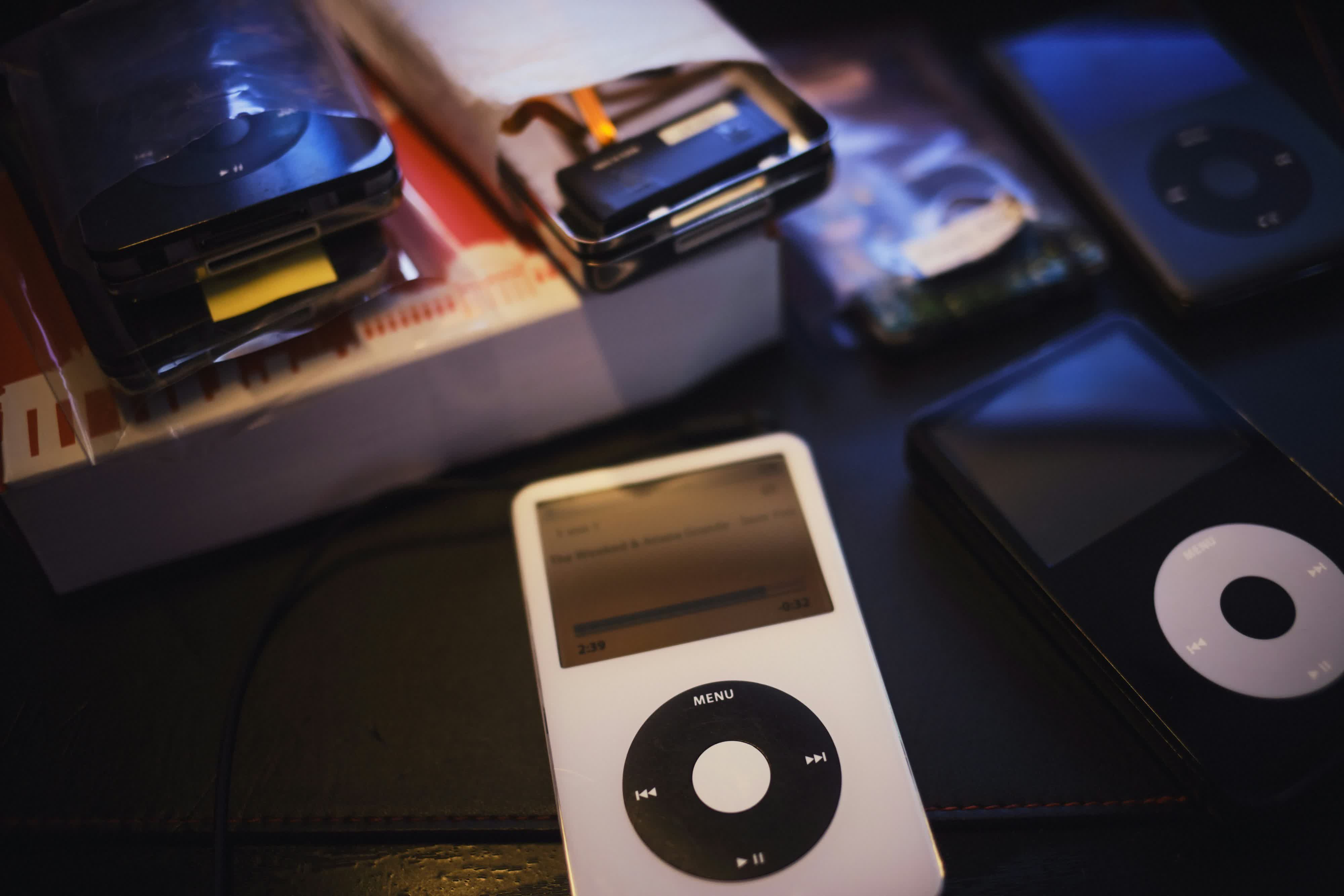
Apple's entry in the early 2000s stitched MP3 and compatible codecs into a fully integrated ecosystem. iTunes, launched in January 2001, handled ripping, library management, and device syncing. The first iPod, released later that year, paired a small hard drive with a scroll-wheel interface and support for MP3 and related formats.

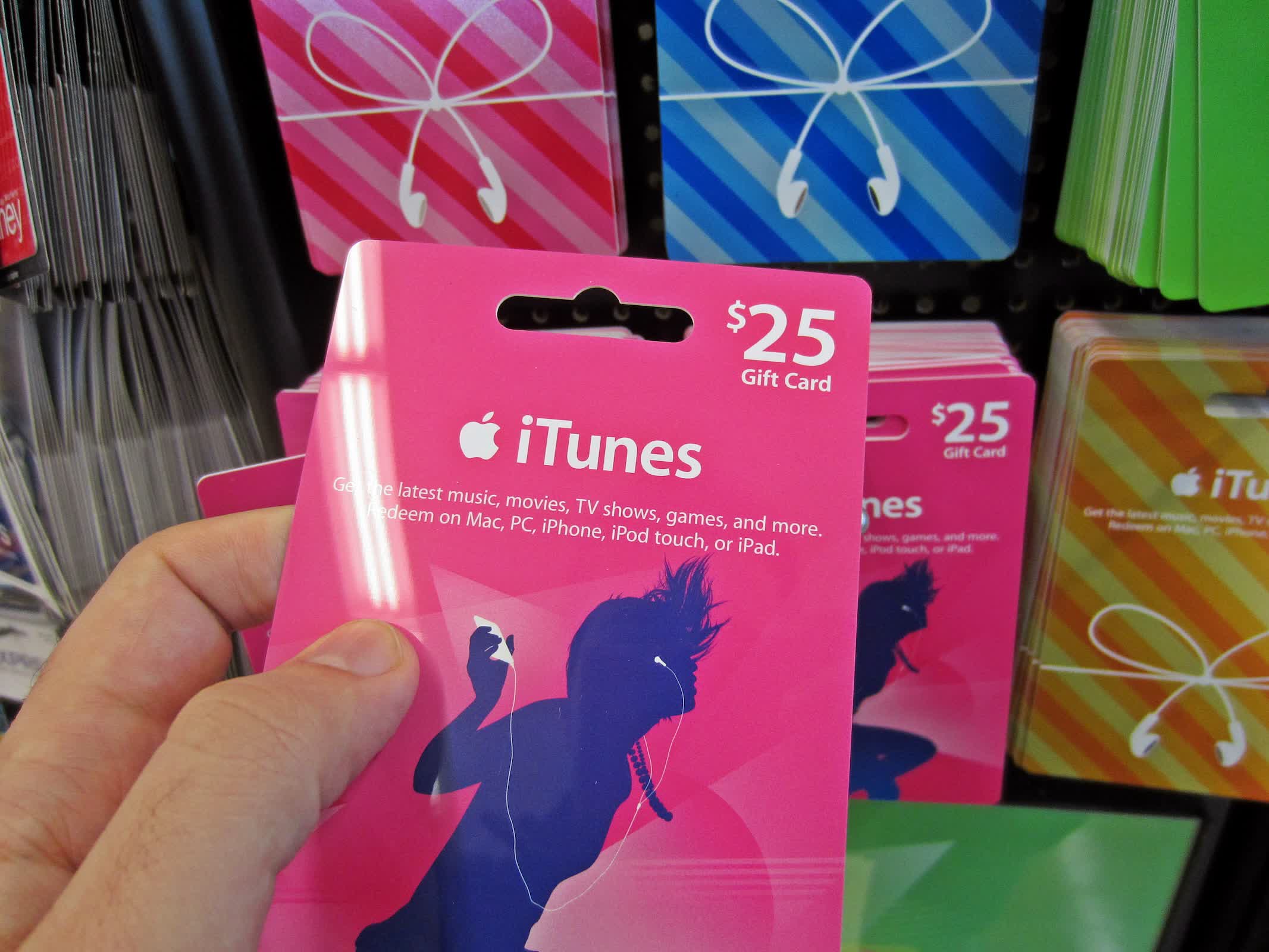
The iTunes Music Store, which opened in 2003 with hundreds of thousands of 99-cent tracks backed by major label deals, proved that compressed digital files could be sold at scale through a controlled storefront rather than traded informally across open networks.

Over time, MP3 became both a legacy format and a baseline expectation. Today, mainstream music consumption revolves around streaming services that deliver audio at adaptive bitrates over broadband, 4G, and 5G networks. But those platforms still depend on descendants of the same core ideas that powered the MP3 revolution.

Permalink to story:

 
used a hybrid filterbank combining a polyphase filter and a modified discrete cosine transform, along with a psychoacoustic model that estimated masking thresholds in frequency bands and determined which spectral components could be coarsely quantized or discarded without becoming audible
Is it me or is this just word soup?
 
The eventual Layer III design, part of the MPEG-1 and later MPEG-2 audio standards, used a hybrid filterbank combining a polyphase filter and a modified discrete cosine transform, along with a psychoacoustic model that estimated masking thresholds in frequency bands and determined which spectral components could be coarsely quantized or discarded without becoming audible.
it's all so clear now! How didn't I realize it before?
 
Used to collect MP3s, but now resorted to making and collecting FLACs of my favorite Audio CDs.

Also created cue/bin image files for using in Windows 95/98 using 86Box, to bring back the authentic feeling of inserting audio CDs into my Win9x machines and using the CD player to play the CD quality audio.
 
Its an easy format to implement and it is royalty free at this point. Developers love royalty free formats.
 
I still use MP3s today. I was smart enough to rip my CDs at a higher bit rate that’s been better than most options without the hassles of the true audiofile approach.
Oh you have a problem with WAV format eh?

Honestly though, an mp3 file at 128kbps is higher quality than an old cassette tape.
 
I still use MP3s today. I was smart enough to rip my CDs at a higher bit rate that’s been better than most options without the hassles of the true audiofile approach.
Back when I still listened to music, I found that 192 was high enough that I didn't notice the difference between MP3 and wav files. I basically stream everything these days anyway
 
Honestly though, an mp3 file at 128kbps is higher quality than an old cassette tape.
that's a low bar to beat though.
Especially as since those will have degraded due to aging by now, but mostly because the source was often FM radio.

If you have got an audio setup that costs less than a used car 9 out of 10 people wouldn't be able to tell the difference between a 192kbps MP3 and anything higher quality. A format that was just pretty darn good from the start, just like jpg and png. Sure there's room for improvement and there's better formats but not by a lot.
It's mainly video formats that have vastly improved over the years by throwing more compute at them
 
that's a low bar to beat though.
Especially as since those will have degraded due to aging by now, but mostly because the source was often FM radio.

If you have got an audio setup that costs less than a used car 9 out of 10 people wouldn't be able to tell the difference between a 192kbps MP3 and anything higher quality. A format that was just pretty darn good from the start, just like jpg and png. Sure there's room for improvement and there's better formats but not by a lot.
It's mainly video formats that have vastly improved over the years by throwing more compute at them
I ripped at 256 kbps because (if memory serves) it preserved lower frequencies better, and at the time some players had issues above 256. I could only notice small differences in the lossless formats on nice equipment (I.e., my home theater), but I rarely listened to music that way.
 
used a hybrid filterbank combining a polyphase filter and a modified discrete cosine transform, along with a psychoacoustic model that estimated masking thresholds in frequency bands

Finally they just needed to polarize the deflector dish phase array to emit to an inverse tachyon pulse.
 
The only time we can hear sound quality above 128 or 256 is with good quality audio equipment but most people (including me) have low quality speakers or headphone, thus 128 is still good enough in most situations.

I don’t view mp3 as legacy. It’s still perfectly serviceable and supported everywhere. There is no obvious reason to switch to anything else.
Agreed.
 
The only time we can hear sound quality above 128 or 256 is with good quality audio equipment but most people (including me) have low quality speakers or headphone, thus 128 is still good enough in most situations.


Agreed.
If we play two identical sounds simultaneously and correctly aligned, with one being phase-inverted, they cancel each other out, resulting in silence. This is the fundamental principle behind noise-canceling headphones.

Now, if we take the original WAV file of a song and an MP3 version of the same song and play them together with one phase-inverted, we can hear the differences which are lost by MP3 compression.

I have performed and produced this piano piece around the Skyrim game OST, so I have the original uncompressed WAV file. You can hear it at -> Piano Skyrim OST (link)

And here is the difference (you can hear the real lost sound information from the MP3 compression) between the original and an MP3 encoded at 160 kbps -> The lost sound from MP3 compresion (link) . It measures -41 LUFS with a -22 True Peak, designed to be psychoacoustically insignificant.
 
Last edited:
If we play two identical sounds simultaneously and correctly aligned, with one being phase-inverted, they cancel each other out, resulting in silence. This is the fundamental principle behind noise-canceling headphones.

Now, if we take the original WAV file of a song and an MP3 version of the same song and play them together with one phase-inverted, we can hear the differences which are lost by MP3 compression.

I have performed and produced this piano piece around the Skyrim game OST, so I have the original uncompressed WAV file. You can hear it at -> Piano Skyrim OST (link)

And here is the difference (you can hear the real lost sound information from the MP3 compression) between the original and an MP3 encoded at 160 kbps -> The lost sound from MP3 compresion (link) . It measures -41 LUFS with a -22 True Peak, designed to be psychoacoustically insignificant.
Inverting one of two tracks, and mixing to a new track in Audacity, is something I regularly do - useful to check two 'identical' tracks for any actual differences
 
If we play two identical sounds simultaneously and correctly aligned, with one being phase-inverted, they cancel each other out, resulting in silence. This is the fundamental principle behind noise-canceling headphones.

Now, if we take the original WAV file of a song and an MP3 version of the same song and play them together with one phase-inverted, we can hear the differences which are lost by MP3 compression.

I have performed and produced this piano piece around the Skyrim game OST, so I have the original uncompressed WAV file. You can hear it at -> Piano Skyrim OST (link)

And here is the difference (you can hear the real lost sound information from the MP3 compression) between the original and an MP3 encoded at 160 kbps -> The lost sound from MP3 compresion (link) . It measures -41 LUFS with a -22 True Peak, designed to be psychoacoustically insignificant.
I don't deny that audio is lost and that MP3 isn't lower quality than FLAC but it's hard to get FLAC of every song, especially when Youtube or other streaming services are the only source.
 
If we play two identical sounds simultaneously and correctly aligned, with one being phase-inverted, they cancel each other out, resulting in silence. This is the fundamental principle behind noise-canceling headphones.

Now, if we take the original WAV file of a song and an MP3 version of the same song and play them together with one phase-inverted, we can hear the differences which are lost by MP3 compression.

I have performed and produced this piano piece around the Skyrim game OST, so I have the original uncompressed WAV file. You can hear it at -> Piano Skyrim OST (link)

And here is the difference (you can hear the real lost sound information from the MP3 compression) between the original and an MP3 encoded at 160 kbps -> The lost sound from MP3 compresion (link) . It measures -41 LUFS with a -22 True Peak, designed to be psychoacoustically insignificant.
Obviously, there are better sources than MP3.

But if you are listening on wireless headphones, that likely limits you to aptx bluetooth which isn't lossless. Similarly, radio, streaming, and average bookshelf speakers are also limiting factors that remove most of the difference of a better source.

Also, didn't iTunes update to 320 kbps like 10 years ago? That would be a better comparison for your wave file test.
 
Obviously, there are better sources than MP3.

But if you are listening on wireless headphones, that likely limits you to aptx bluetooth which isn't lossless. Similarly, radio, streaming, and average bookshelf speakers are also limiting factors that remove most of the difference of a better source.

Also, didn't iTunes update to 320 kbps like 10 years ago? That would be a better comparison for your wave file test.
What I was trying to show is that the difference between MP3 and the original uncompressed audio is minor—even at 160 kbps MP3s. The original WAV file, at 64-bit and 96 kHz sampling it is a hefty 270 MB in size, while the MP3 at 160 kbps is only! 3.5 MB (a compression ratio of about 77:1 with only negligible differences). At 320 kbps, the differences would be even smaller. It’s a very good trade-off—the sound is virtually indistinguishable from the original. The only drawback is degradation that can occur with repeated conversions between MP3 to MP3 formats. However, a single conversion from the original WAV file to MP3 (or formats like OGG, which supports up to 512 kbps, or OPUS, etc.) results in no noticeable loss of audio quality.
 
What I was trying to show is that the difference between MP3 and the original uncompressed audio is minor—even at 160 kbps MP3s. The original WAV file, at 64-bit and 96 kHz sampling it is a hefty 270 MB in size, while the MP3 at 160 kbps is only! 3.5 MB (a compression ratio of about 77:1 with only negligible differences). At 320 kbps, the differences would be even smaller. It’s a very good trade-off—the sound is virtually indistinguishable from the original. The only drawback is degradation that can occur with repeated conversions between MP3 to MP3 formats. However, a single conversion from the original WAV file to MP3 (or formats like OGG, which supports up to 512 kbps, or OPUS, etc.) results in no noticeable loss of audio quality.
Ah, I misunderstood. Yeah, the tradeoff is an easy one at 77:1!!! I'd forgotten just how big wave files were.
 
Back