The Raspberry Pi 500 is an all-in-one PC built into a keyboard

Shawn Knight

Posts: 15,826   +202
Staff member
In a nutshell: Interested in tinkering with a Raspberry Pi 5 but put off by the utilitarian nature of a bare PCB, or simply prefer to work with something that is ready to use right out of the box? Perhaps the foundation's latest creation could quell your concerns

New in time for the holidays is the Raspberry Pi 500, an all-in-one that harkens back to classic 8-bit and 16-bit computers like the Commodore Amiga and the Sinclair Spectrum. The Pi 500 is essentially a full-fledged PC built into a keyboard. It is powered by a 2.4 GHz quad-core Arm Cortex-A76 processor paired with a VideoCore VII GPU and 8 GB of LPDDR4X memory.

The AIO features a pair of 4K60 HDMI display outputs for dual monitor setups. You also get two USB 3.0 ports that support simultaneous 5 Gbps operation, a USB 2.0 port, a Gigabit Ethernet jack, dual-band 802.11 ac Wi-Fi, Bluetooth 5.0 connectivity, and a horizontal 40-pin Raspberry Pi GPIO connector.
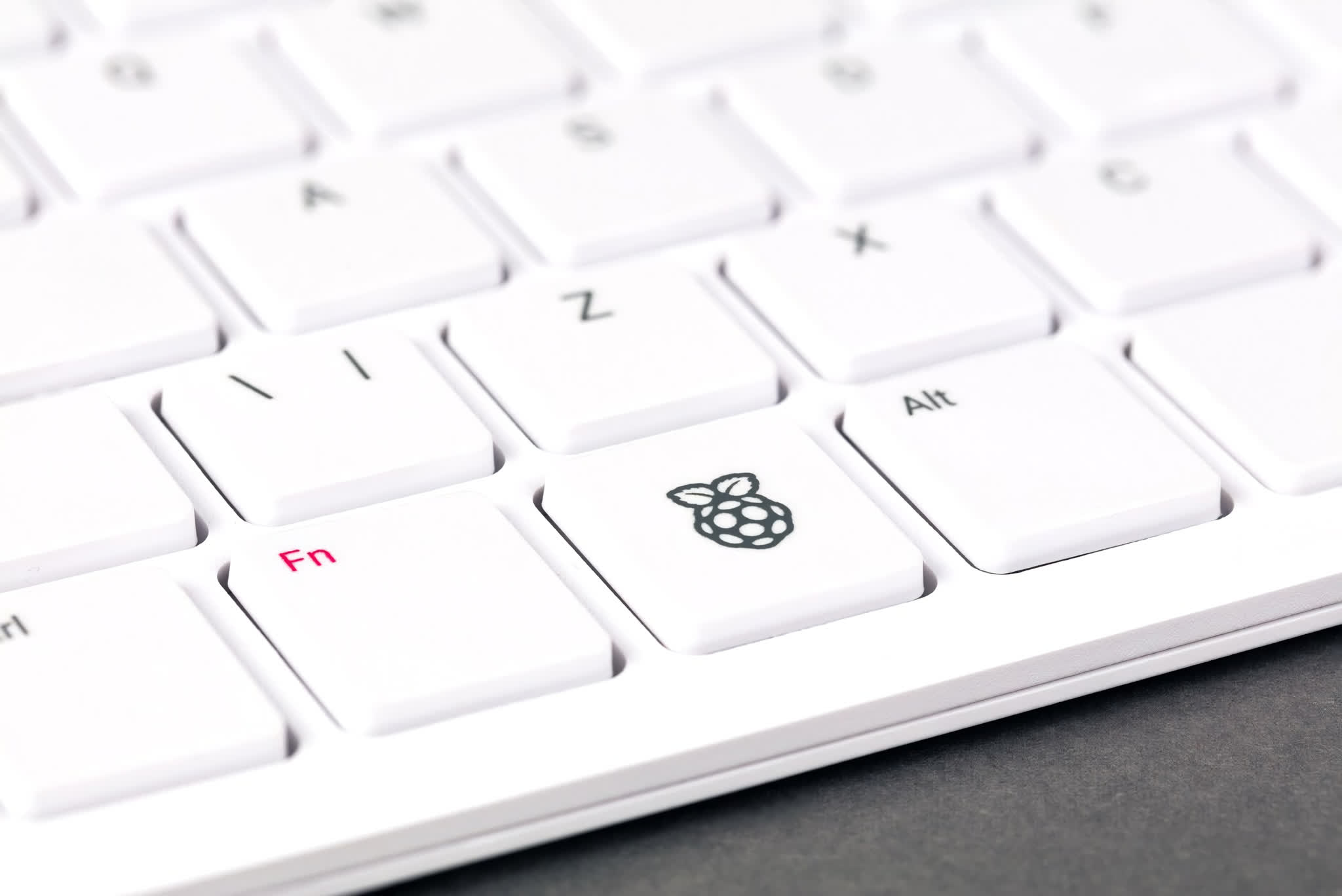
The Raspberry Pi 500 retails for $90 and includes a 32 GB Pi-branded SD card. For $120, you can round out the package with a Raspberry Pi mouse, a USB-C power supply, a micro HDMI to HDMI cable, and a starter guide.

Of course, the Pi 500 is only part of the equation as you will also need some sort of display device. Should you prefer to stay in the Pi ecosystem, the new Raspberry Pi monitor is worth a look. It features a 15.6-inch full IPS panel and integrated audio via a pair of 1.2 watt speakers (with optional 3.5mm audio out), as well as an integrated angle-adjustable stand. There are also standard VESA mounting points for a more permanent solution.
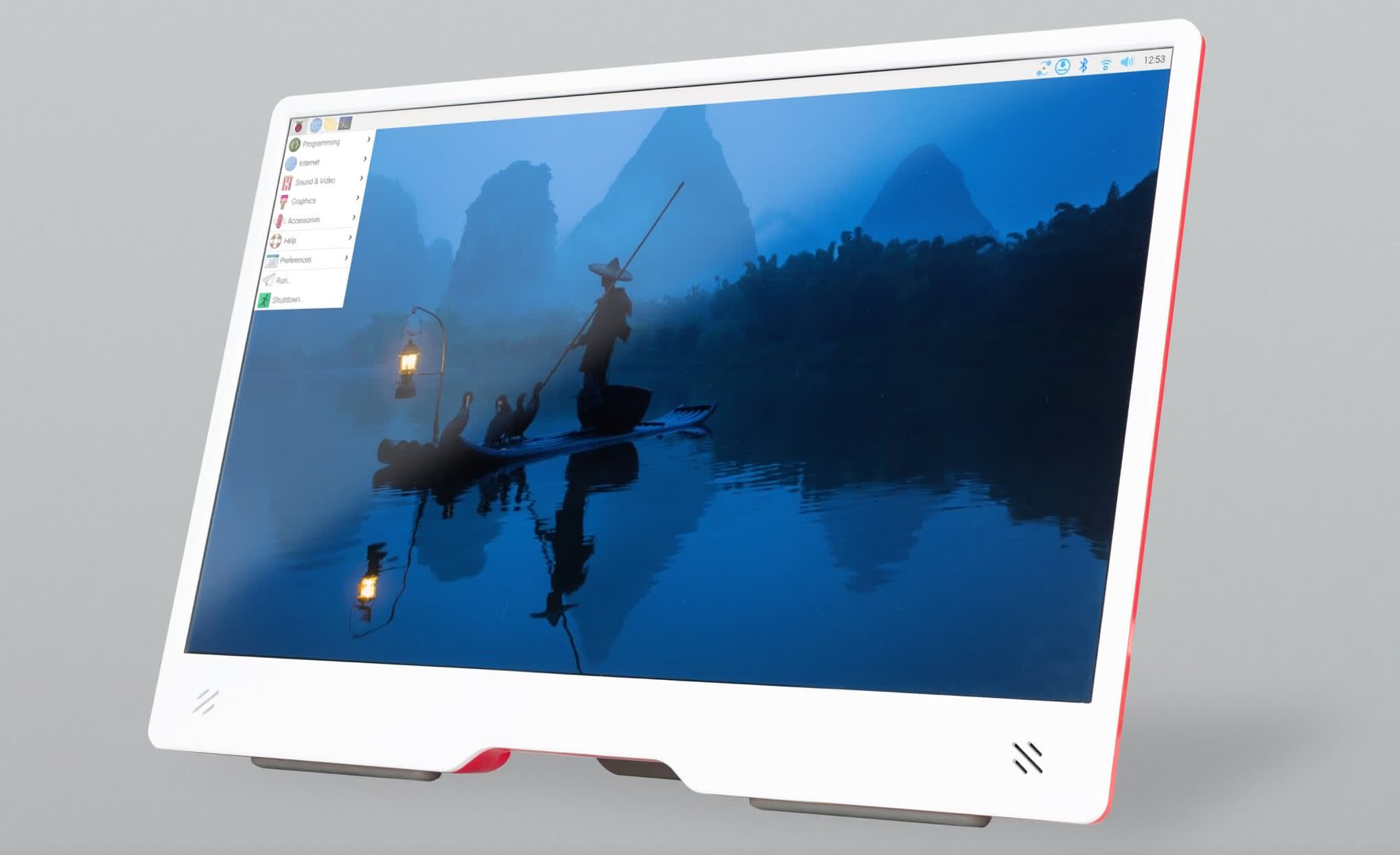
The monitor can be powered directly from a Raspberry Pi USB port, although brightness and volume will be limited to 60 percent and 50 percent, respectively; with a dedicated power supply, you can access max brightness and sound.

The Raspberry Pi monitor is available now priced at $100.

Permalink to story:

 
Although the Raspberry Pi 500 costs $20 more than its predecessor, the Raspberry PI 400, it's actually a considerably better deal. The board has 8 GB RAM, not 4 GB, which accounts for the price difference right there -- that's the spread between the 4 and 8 GB versions of the Raspberry Pi 4 and 5. In addition, the 500 includes a 32 GB SD card (value around $5), and has cooling built-in (passive, but with a large heat sink that will be sufficient for most uses, whereas the Raspberry Pi 5 needs the optional active cooler in most applications. One downside: there is no easy way to add an NVMe drive, as you can't put a HAT or a base inside it.

Obviously, you're not going to use this as an embedded processor. But if you're doing Raspberry Pi development or looking for an inexpensive desktop replacement, it's a compelling value -- it's the same price as an RPI5 plus an SD card and a cooler, and you're getting a keyboard and case in addition.

The full kit is also a slightly better value than last time around, because the included Raspberry Pi 5 power supply costs more than its Raspberry Pi 4 predecessor. But like the previous version, it's not as attractive a value as the base unit unless you're a beginner who can use the book.

The display is the least interesting of the new products. At $100, it's about $30 more expensive than the portable monitors that are now ubiquitous on Amazon. It probably has better speakers and a better stand, and its look is a better match for the Raspberry Pi, but those things won't be worth the extra money to some buyers.
 
What about the OS?
It runs the same software as the Raspberry Pi 5. The primary OS option is Raspberry Pi OS, formerly known as Raspbian; it's a Linux distribution based on Debian. Other Linux distributions are available for the Raspberry Pi but are not offered on the Raspberry Pi site.

The SD card that comes with the Raspberry Pi 500 has Raspberry Pi OS already installed, so you can use it right out of the box. That's handy if you don't have another computer available to flash the OS to the card.
 
Unfinished...The board shows an incomplete NVME slot area and POE areas.

Terrible Keyboard...A halfway decadent 75% mechanical keyboard would be a 1000 times better.

 
Back