
A hot potato: If anything illustrates how we're now in a Cyberpunk-like dystopia, it's this: a suicide pod has been given an AI upgrade to ensure users have the mental capacity to make the decision to end their life. The device has only been used once to facilitate a suicide, in 2024, which resulted in the arrest of the person supervising and police seizing the pod.
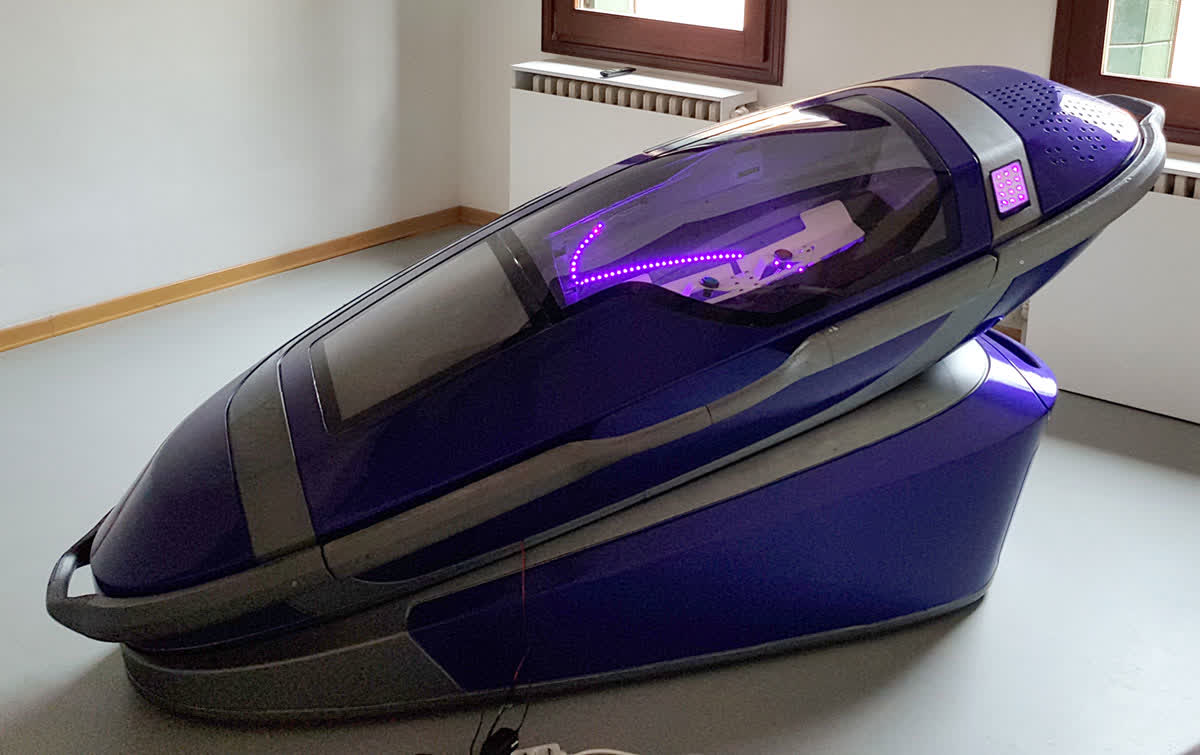
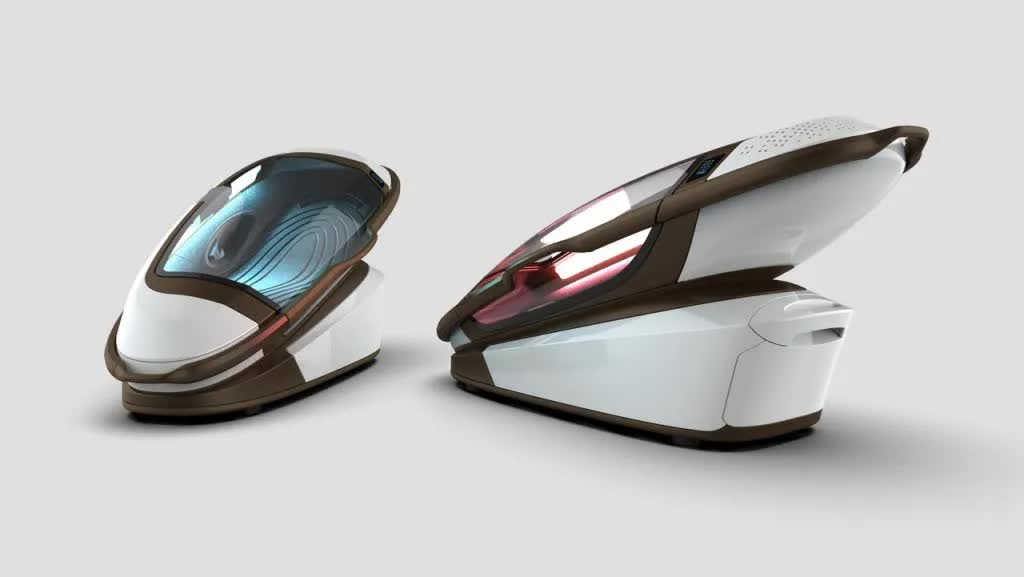
Built in 2019 by Philip Nitschke, the Sarco pod – named after the sarcophagus – is a 3D-printed assisted-dying capsule. It works by replacing the oxygen inside the pod with nitrogen. This causes loss of consciousness due to hypoxia, without suffocation sensations, and the person passes away after a few minutes. The pod can only be activated by the individual inside pressing a button to release the nitrogen.
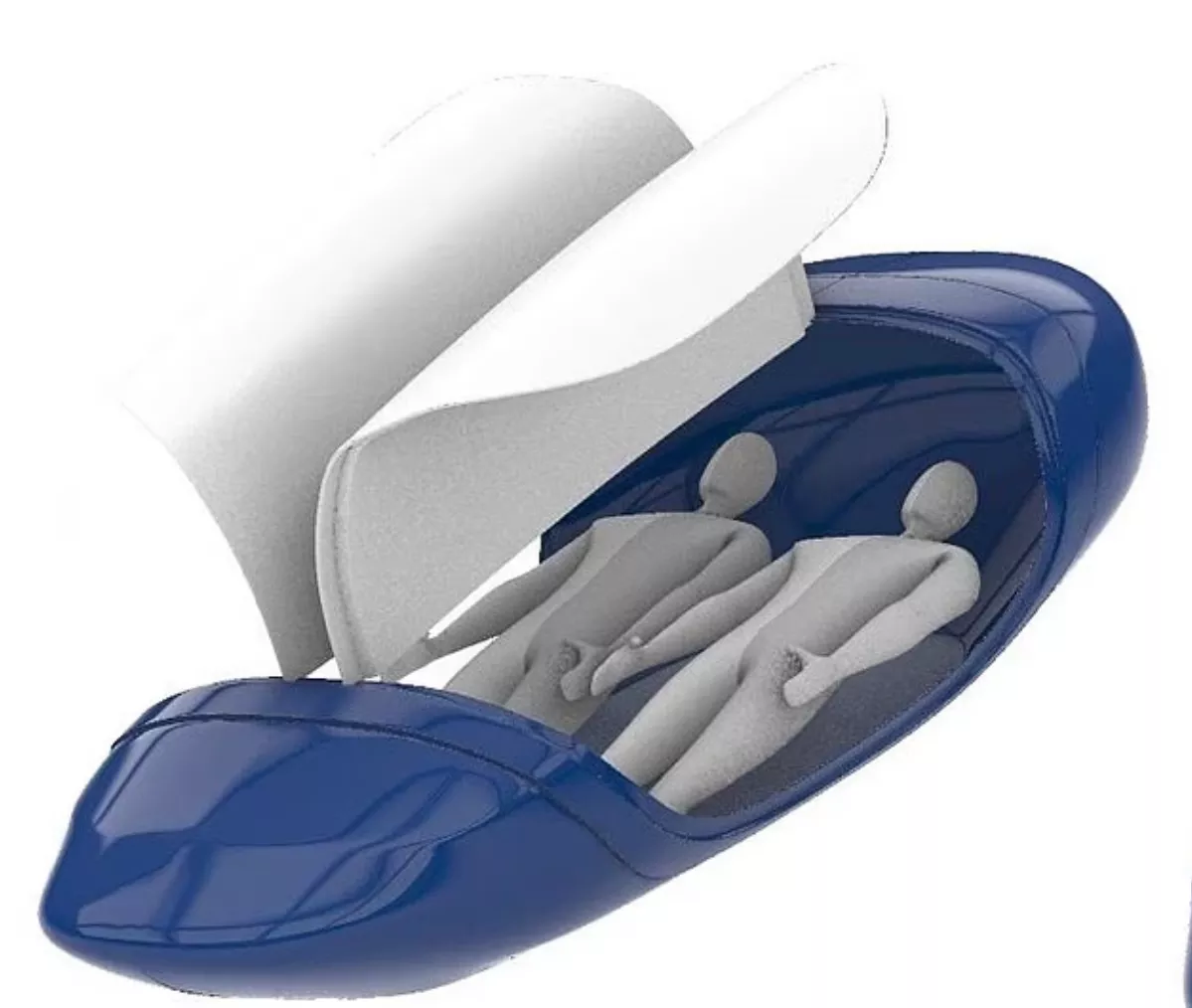
In an interview with the Daily Mail, Nitschke talked about the new and much larger Double Dutch capsule, designed so couples can end their lives together.
Assisted dying is only legal in some countries, including Canada, the Netherlands, and Switzerland, and the person in question must have the mental capacity to make the decision.
But users of the Double Dutch, and presumably other future pods, won't have to speak to a psychiatrist; instead, an AI test will decide if they are mentally competent enough to understand what they are about to do.
It sounds as if the AI test is linked to the pod itself as passing activates the "power to switch on the Sarco" for 24 hours, during which time a person or couple can enter and press the button. If that time period expires, they will have to take the test again.
"That part wasn't working when we first used the device," Nitschke said. "You'll have to do your little test online with an avatar, and if you pass that test, then the avatar tells you you've got mental capacity."
The first – and only – time the pod was used was in September 2024, when a 64-year-old American woman who had been suffering from complications associated with a severely compromised immune system used it to end her life in Switzerland. Nitschke said she underwent a traditional psychiatric evaluation conducted by a Dutch psychiatrist before being allowed to enter the pod.
After the event, Swiss police arrived, seized the pod, and arrested Dr Florian Willet on the grounds of aiding and abetting a suicide. The co-president of the assisted suicide organisation, the Last Resort, was the only person present during the death. Assisted suicide is only allowed in Switzerland if the person taking their life does so with no "external assistance," and those who help the person die must not do so for "any self-serving motive."
Willet was held in pre-trial detention for 70 days while the authorities investigated. Police only released him after ruling out intentional homicide. He died by assisted suicide in Germany in 2025. Reports say he had suffered psychological trauma due to his arrest and detention.
The incident forced Nitschke to halt development of the devices, but he's now rolling out the latest generation.
The decision to incorporate AI into what is already a hugely controversial device seems unusual. Most people are well aware of how chatbots can get things very wrong, especially when it comes to health-related matters. Allowing one to decide whether a person should end their own life will doubtlessly cause more outrage.
The Swiss suicide pod now uses AI to decide who can end their life


