Forward-looking: The UK's National Health Service was hit particularly hard during the COVID pandemic, so authorities are now trying to batten the hatches. A new plan is in motion to detect and discover the next pandemic agent before it can spread and shut the country down again.
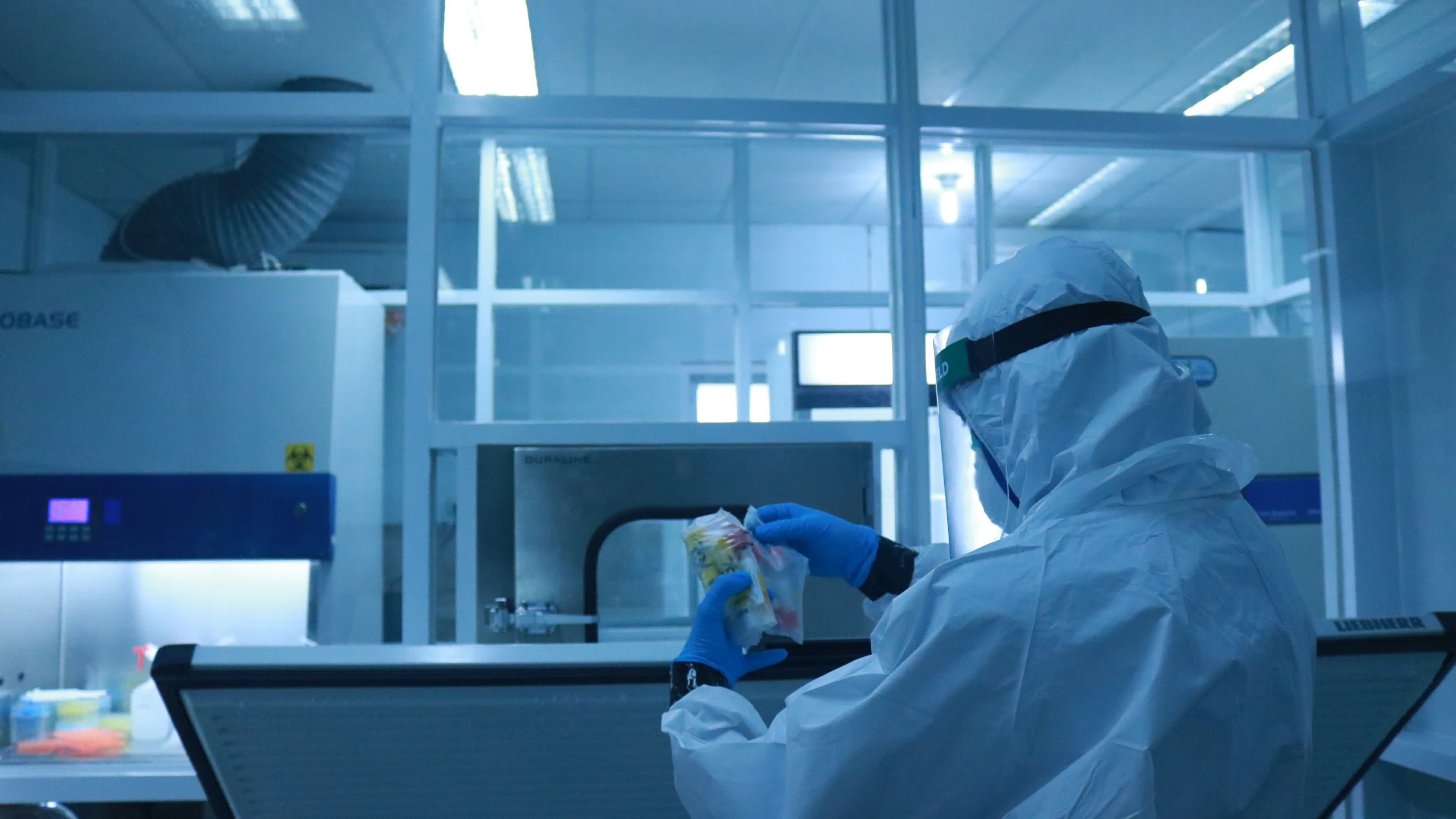
The UK Government recently announced a new public-private collaboration to develop the world's first early warning system for pandemic diseases. The publicly funded National Health Service (NHS) will partner with Oxford Nanopore, a UK-based company that developed a novel solution for DNA sequencing, to uncover dangerous infections within hours of an outbreak.
The new partnership involves the NHS, Oxford Nanopore, Genomics England, and UK Biobank. The sequencing system created by Oxford Nanopore is the core element of the whole initiative, as it allows researchers and physicians to analyze genes and pathogens very quickly.
The technology uses nanoscopic pores in thin protein membranes, letting a single strand of DNA pass through for analysis without breaking it into smaller fragments. The system can identify individual nucleotides in real-time, with 99 percent accuracy under "ideal" conditions. Oxford Nanopore's methods can rapidly diagnose various cancers and rare and infectious diseases.

The NHS wants to use Oxford Nanopore's tech to reliably diagnose patients with symptoms of acute respiratory infections within six hours. They hope this diagnostic system will allow UK authorities to monitor viral diseases and antimicrobial resistance and enable the NHS to complete its ongoing digitalization process.
Health and Social Care Secretary Wes Streeting said the NHS was already on its knees when the Covid-19 pandemic struck, so it suffered more than comparable healthcare systems.
"We cannot let history repeat itself," Streeting said. "That's why this historic partnership with Oxford Nanopore will ensure our world-leading scientists have the latest information on emerging threats at their fingertips."
This new real-time sequencing technology has already been successful in tests at St Thomas' Hospital. It will now roll out to 10 to 30 NHS sites across the UK. Oxford Nanopore will work with disease data provided by Genomics England to enhance genomic surveillance and sequencing. Meanwhile, UK Biobank will continue to share its data with Oxford Nanopore and the government.
The United Kingdom wants to use genomic surveillance to prevent future pandemics


