
What just happened? Remember the AI-controlled jet that the US Air Force successfully tested in a dogfight last year? The same AI pilot responsible for that feat has just debuted in a fully autonomous stealth drone, though it is being referred to as a fighter jet. The vertical takeoff and landing (VTOL) craft can operate not just without humans, but also without runways.
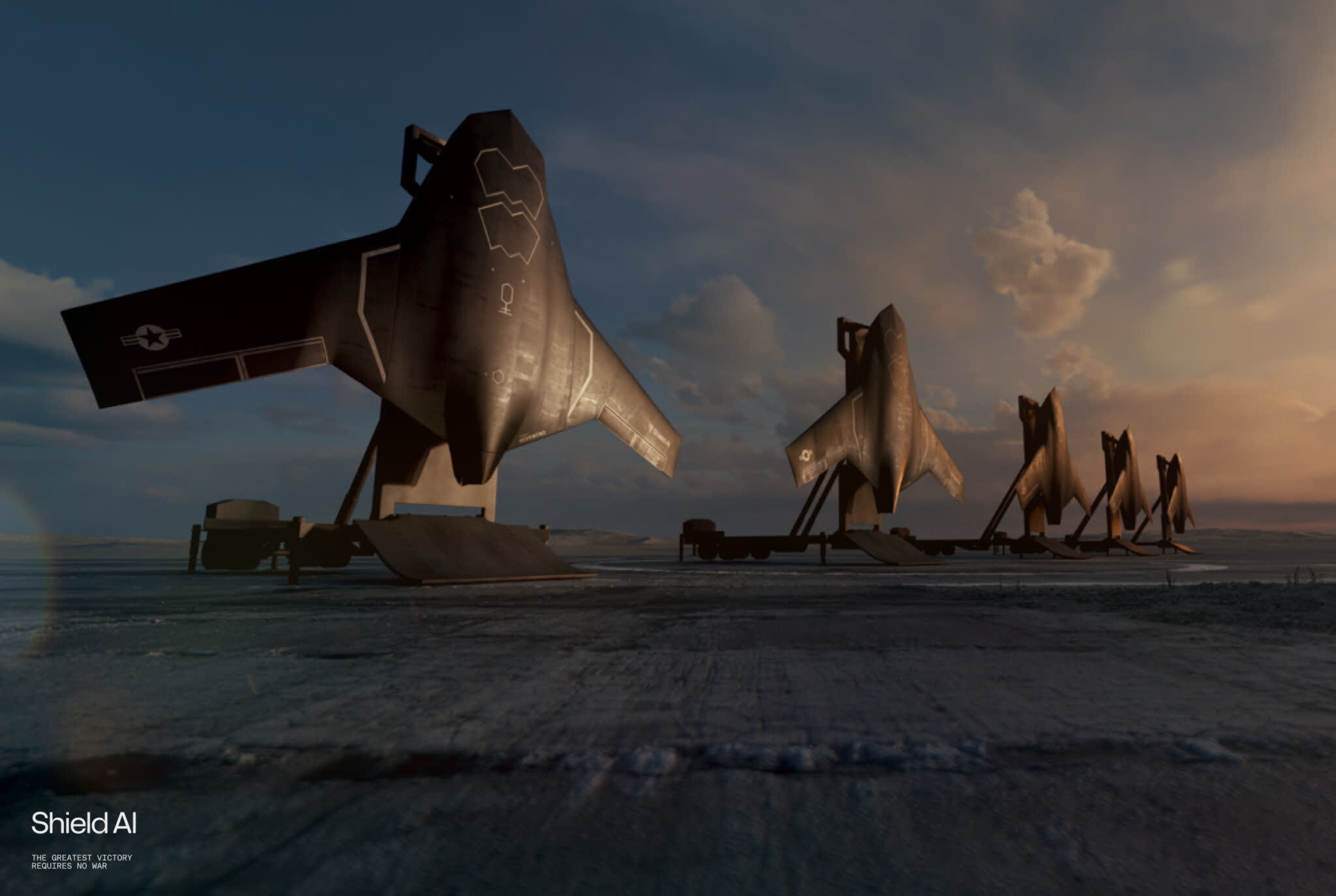
Shield AI revealed X-BAT this week, an autonomous VTOL fighter jet that it said can take off from islands and ships. "Airpower without runways is the holy grail of deterrence. It gives our forces persistence, reach, and survivability, and it buys diplomacy another day," said Brandon Tseng, Shield AI co-founder, president, and former Navy SEAL.
The headline feature, of course, is that the aircraft uses Shield AI's Hivemind. It's the same technology used in the Lockheed Martin X-62A VISTA modified F-16 that took on a human fighter in a dogfight last year – we still don't know who won that simulated battle.
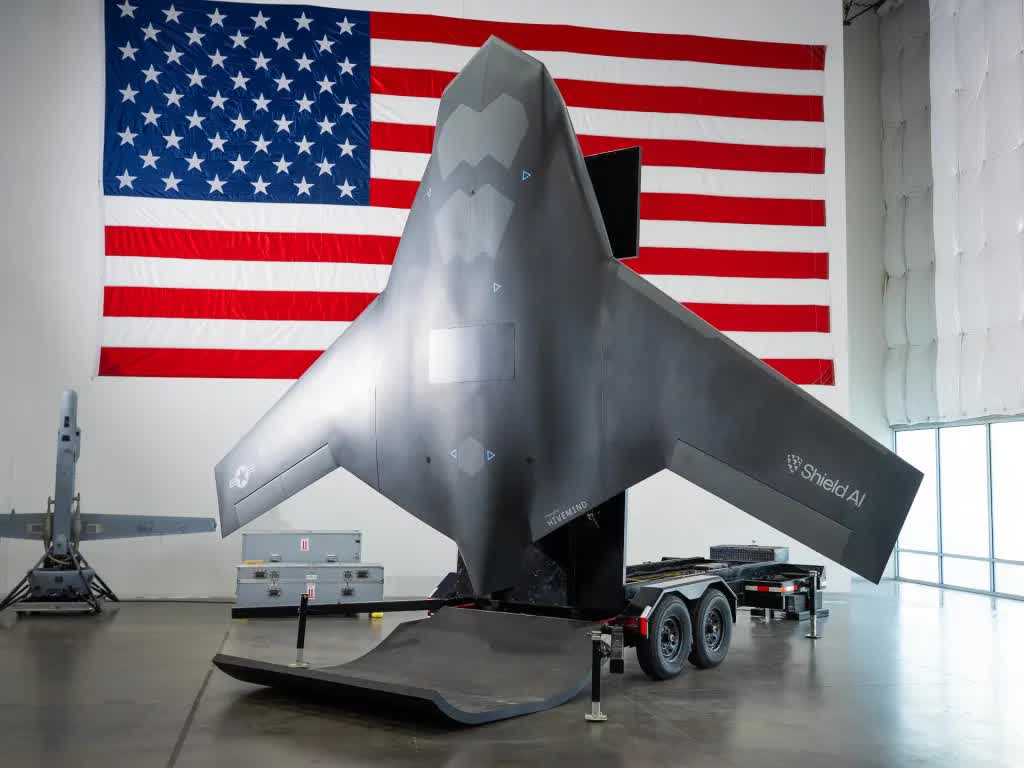
Shield AI told Business Insider that X-BAT, which is powered by a single afterburning jet engine, can complete missions without any human pilot involvement and can advance without GPS or reliable communications.
The company says that the X-BAT is a multirole fighter capable of strike, counter air, electronic warfare, intelligence, surveillance, and reconnaissance (ISR) missions. With a range of 2,000 nautical miles and able to operate at altitudes of 50,000 feet, it can act as a lone fighter or a drone wingman that works closely with human pilots to help protect them on missions. It's also able to take off from ships, islands, carriers, runways, or tankers.
At 26 ft long and with a 39 ft wingspan, X-BAT is a lot smaller than a standard fighter jet. It can carry both air-to-air and air-to-surface missiles and has external hardpoints for larger munitions.
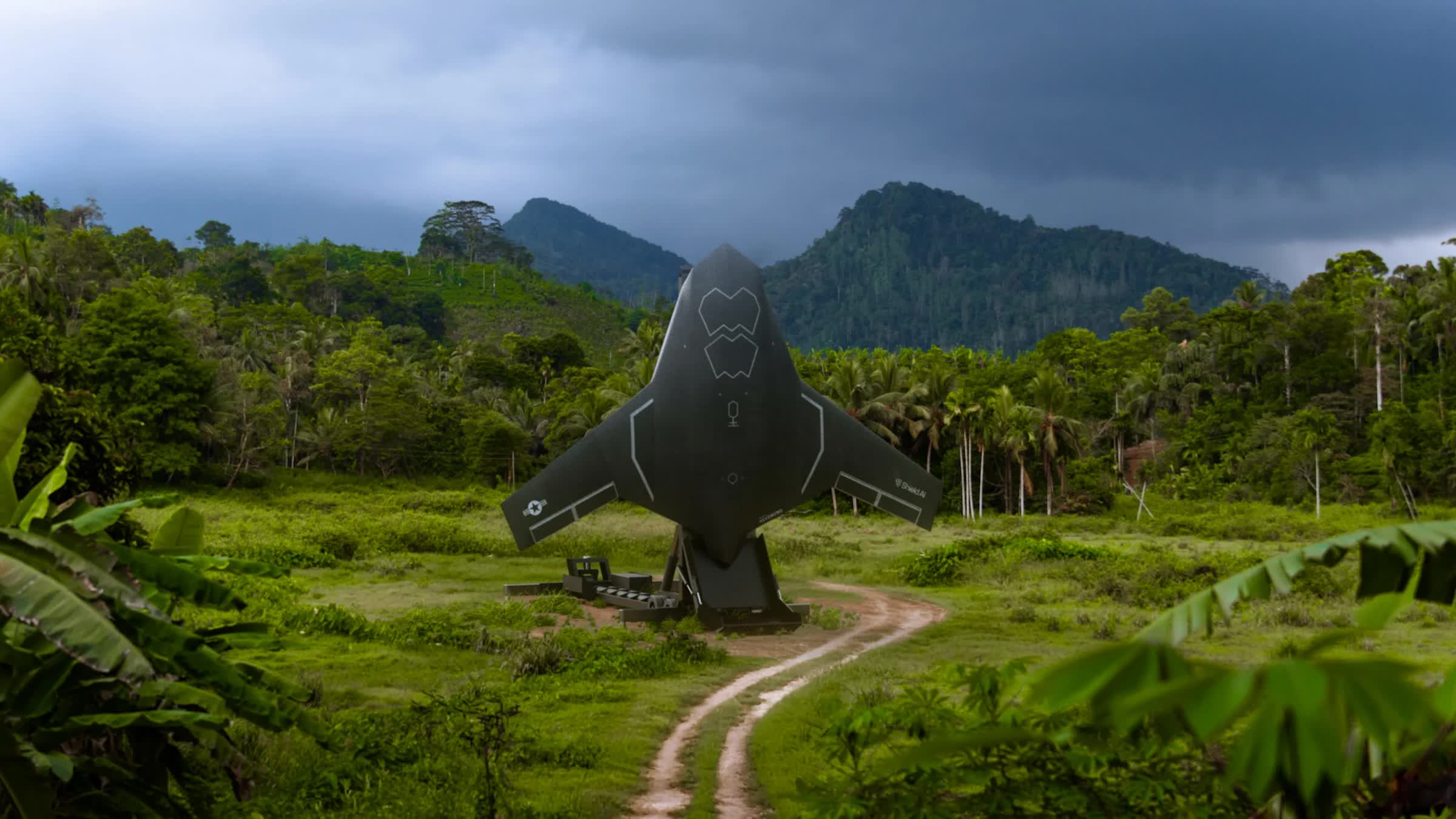
As it doesn't need a runway, a large amphibious warships could carry up to 60 X-BATs. They could also be launched from non-military vessels such as container ships. Armor Harris, Shield AI's senior vice president of aircraft engineering, said it can be used by the US Navy, Air Force, Marine Corps, Army, or allied forces.
X-BAT was unveiled at an event before an audience of military leaders, elected officials, and industry partners this week. It's still unclear if it will become part of the US armed forces, but given that the military and DoD are already developing, testing, and employing unmanned and partially-autonomous drones, this seems like the next obvious step.
The first X-BAT flight is scheduled for next year, with production planned for 2029.
Autonomous weapons are a particularly hot topic right now. There have been calls to ban so-called "killer robots," but the US has long used the argument that the final decision to engage a target rests with humans, not machines.
This new AI fighter jet doesn't need pilots, runways, or GPS


