
Forward-looking: It's another day, another proposal for addressing AI data center power demands. The latest comes from a startup that aims to build server facilities inside floating offshore wind platforms, using the cold waters of the North Sea as a natural cooling system.
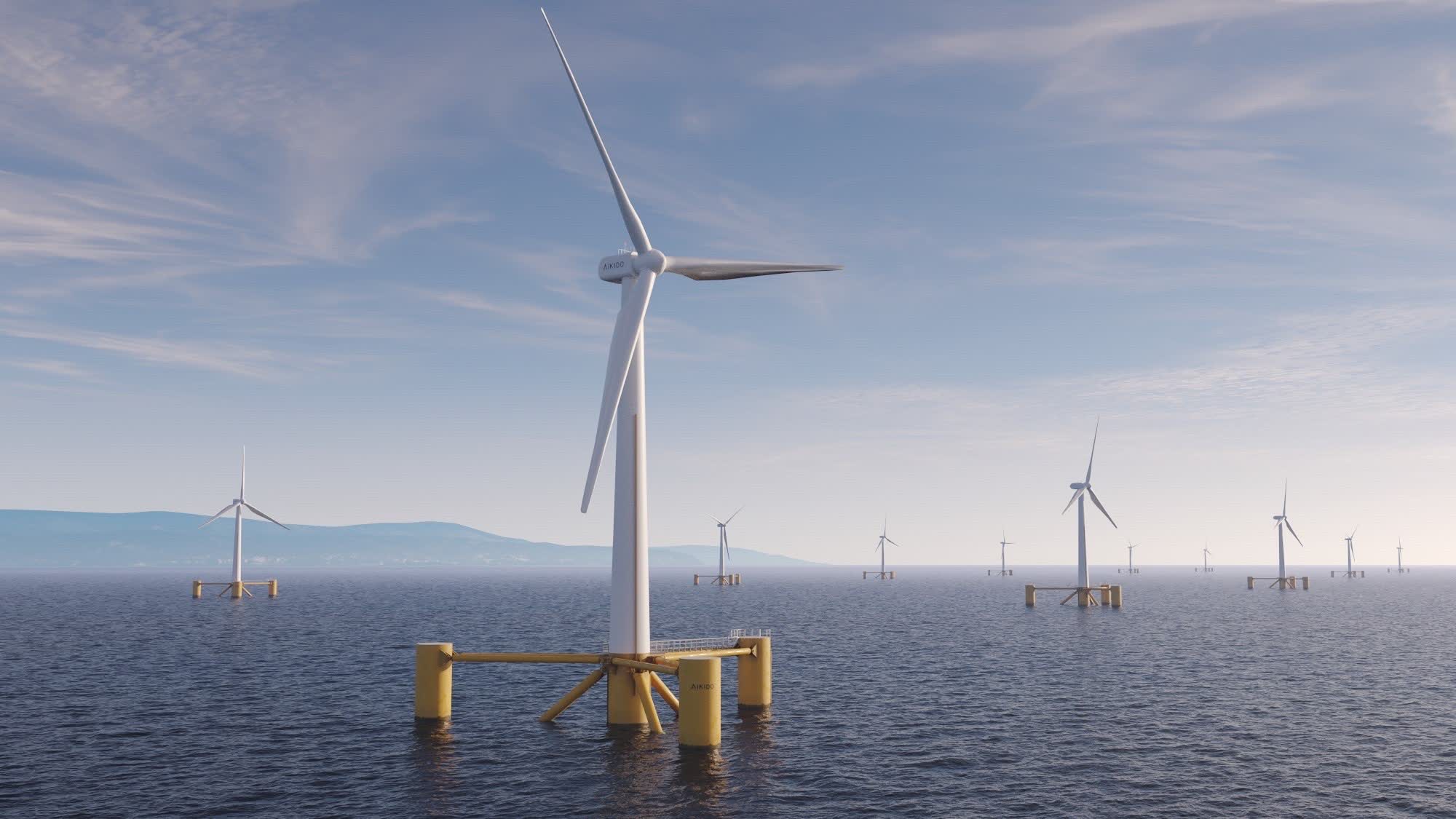
San Francisco-based Aikido Technologies says its concept combines three things the AI boom desperately needs right now: power, cooling, and space.
The company's AO60DC platform is designed to pair a large floating wind turbine with as much as 10 to 12 MW of compute capacity, plus battery storage to help smooth out supply when the wind drops.
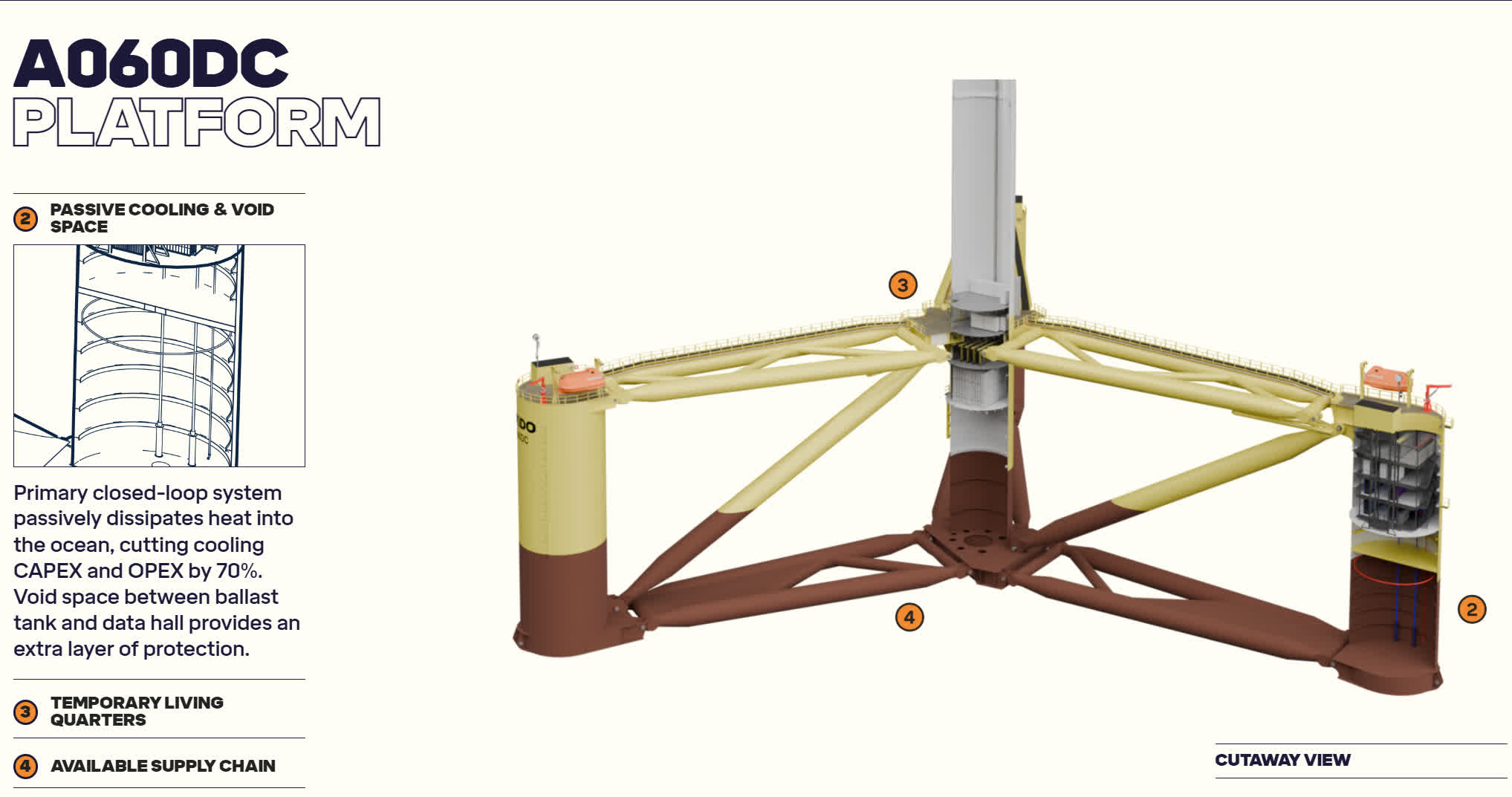
Aikido's semisubmersible platform uses three ballast legs to keep the structure stable offshore. Instead of leaving that space unused, the company wants to place liquid-cooled data halls inside the upper sections of those legs.
Freshwater stored in the ballast system would be used as part of a closed-loop cooling setup, with heat transferred through the steel walls and dissipated into the surrounding sea.
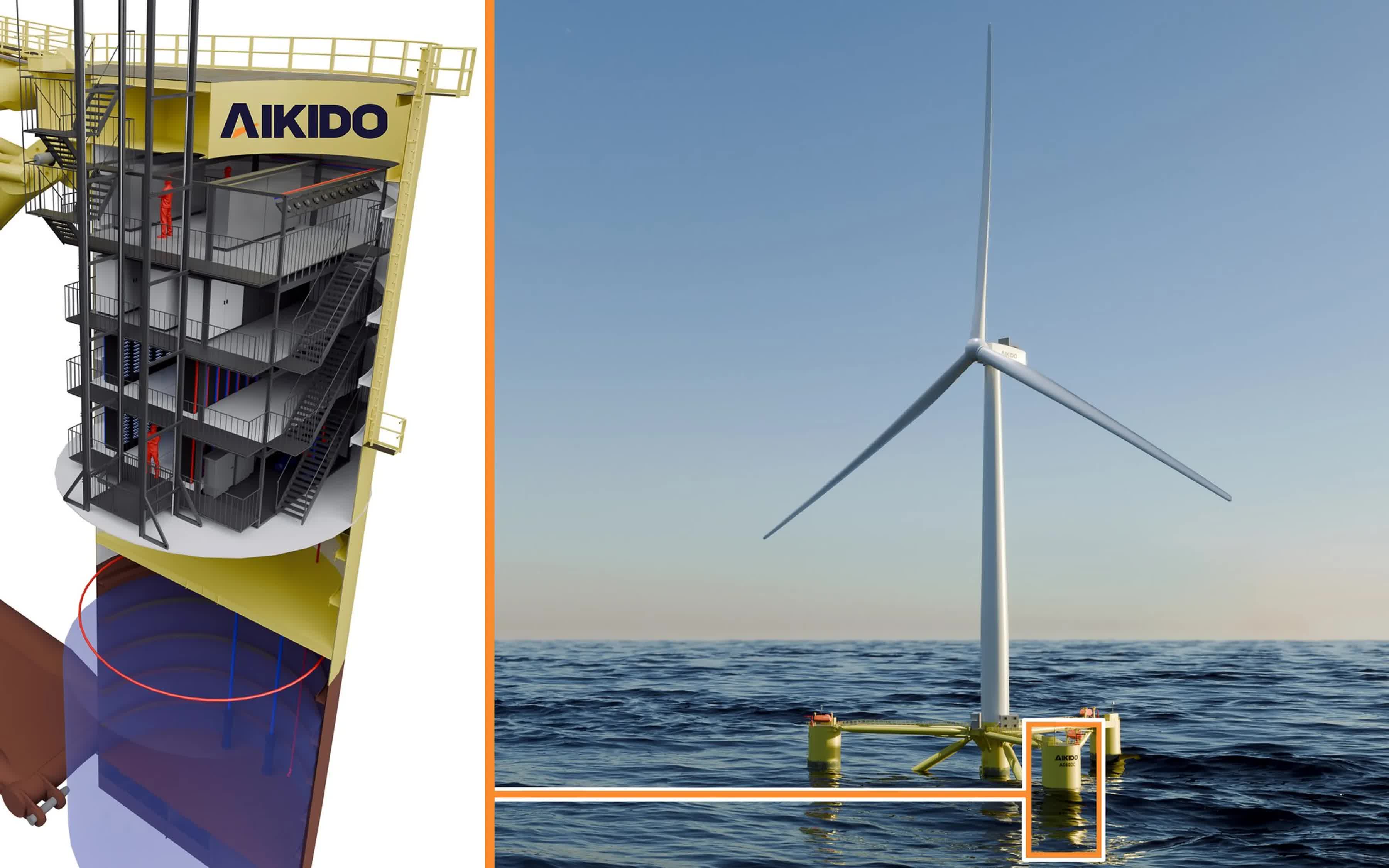
Essentially, the startup is pitching the ocean as both a source of renewable energy and a giant heat sink.
Aikido plans to test the concept with a 100-kilowatt prototype off the coast of Norway in the North Sea by the end of this year. If that goes to plan, a larger 15- to 18-MW version could follow off the UK coast in 2028.
There are several benefits to this method. Offshore wind generation is generally stronger and more consistent than onshore generation, the setup keeps noisy infrastructure away from residential areas, and it could help reduce the strain that new AI facilities are putting on already stressed power grids.
The plan also gives Aikido a way to sell floating wind as more than just another renewable project in a market that has struggled with high costs and slow deployment.
Of course, moving a data center into the ocean creates a new set of problems. Salt, corrosion, debris, and marine growth are all obvious engineering headaches. There are also potential regulatory questions around heat discharge, environmental reviews, and how easy these systems would be to maintain or secure in hostile offshore conditions.
We've already seen Microsoft experiment with underwater data centers, and Aikido is essentially blending that line of thinking with floating wind.
Several tech companies, including Google and Amazon, have recently proposed space-based solar power data centers. Google CEO Sundar Pichai believes they will be deployed as early as 2027.
This startup wants to build data centers inside floating offshore wind platforms


