The bleeding edge: Taiwan Semiconductor is ramping up production on its most advanced manufacturing nodes. However, the world's largest chipmakers will have to pay a premium to access the new technology, as the company adjusts pricing to match rising production costs and sustained global demand for leading-edge chips.
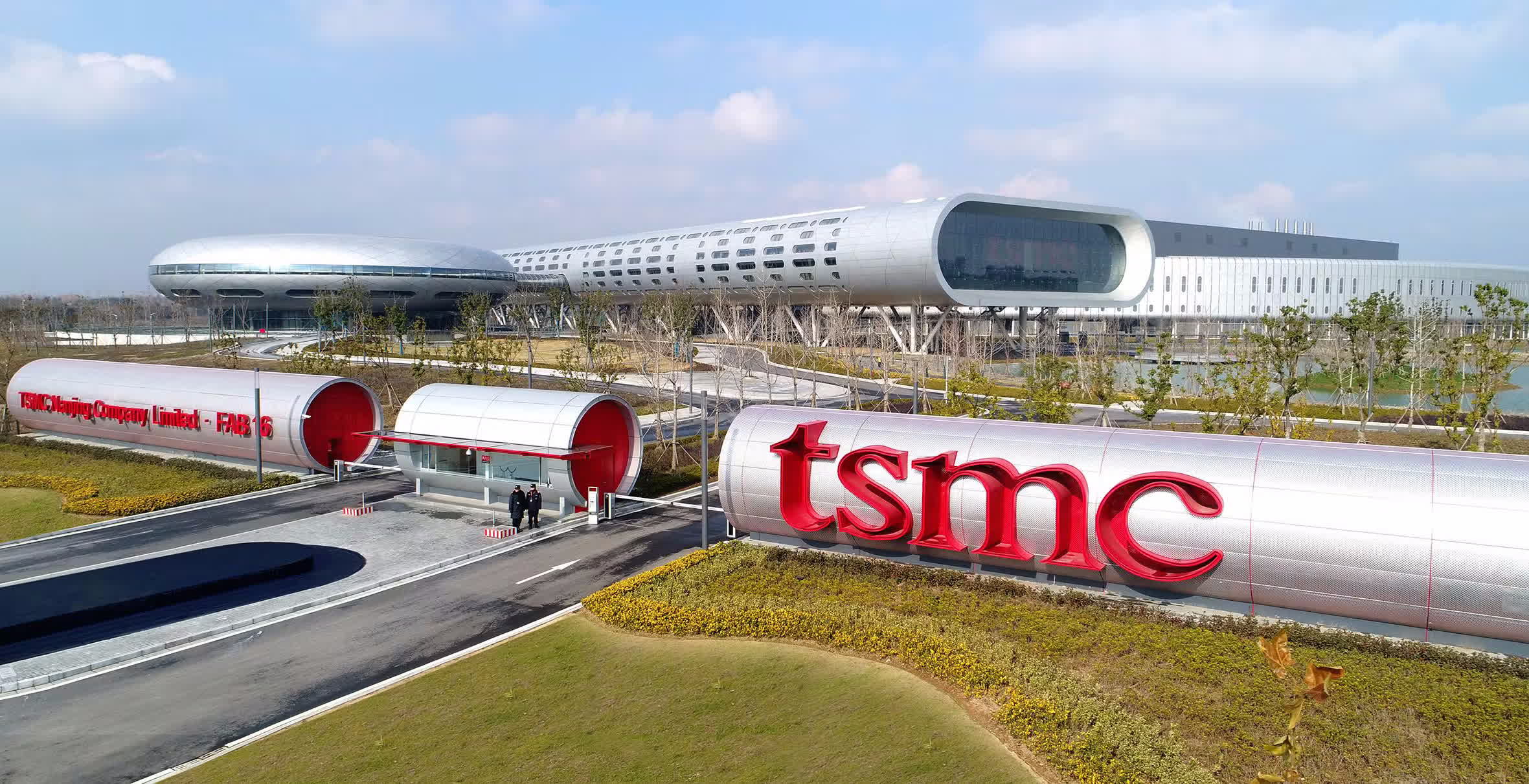
Industry analysts expect TSMC to raise chip prices for its sub-5-nanometer nodes starting in January 2026. TrendForce sources say the company notified its major clients in September. The average cost will jump by 3 or 4 percent, but reports from Taiwan suggest the most advanced nodes could rise by as much as 10 percent.
On top of that, 2nm nodes will face annual price hikes for four consecutive years beginning in January 2026. By 2030, cumulative increases for the most advanced nodes could reach double digits, affecting the cost of cutting-edge chips used in AI, high-performance computing, and other demanding applications.
The surge in manufacturing costs stems from the relentless demand for new accelerators driven by Big Tech and AI startups. Supply shortages for powerful GPUs and other advanced chips persist, and TSMC clearly expects conditions to worsen in the near future.
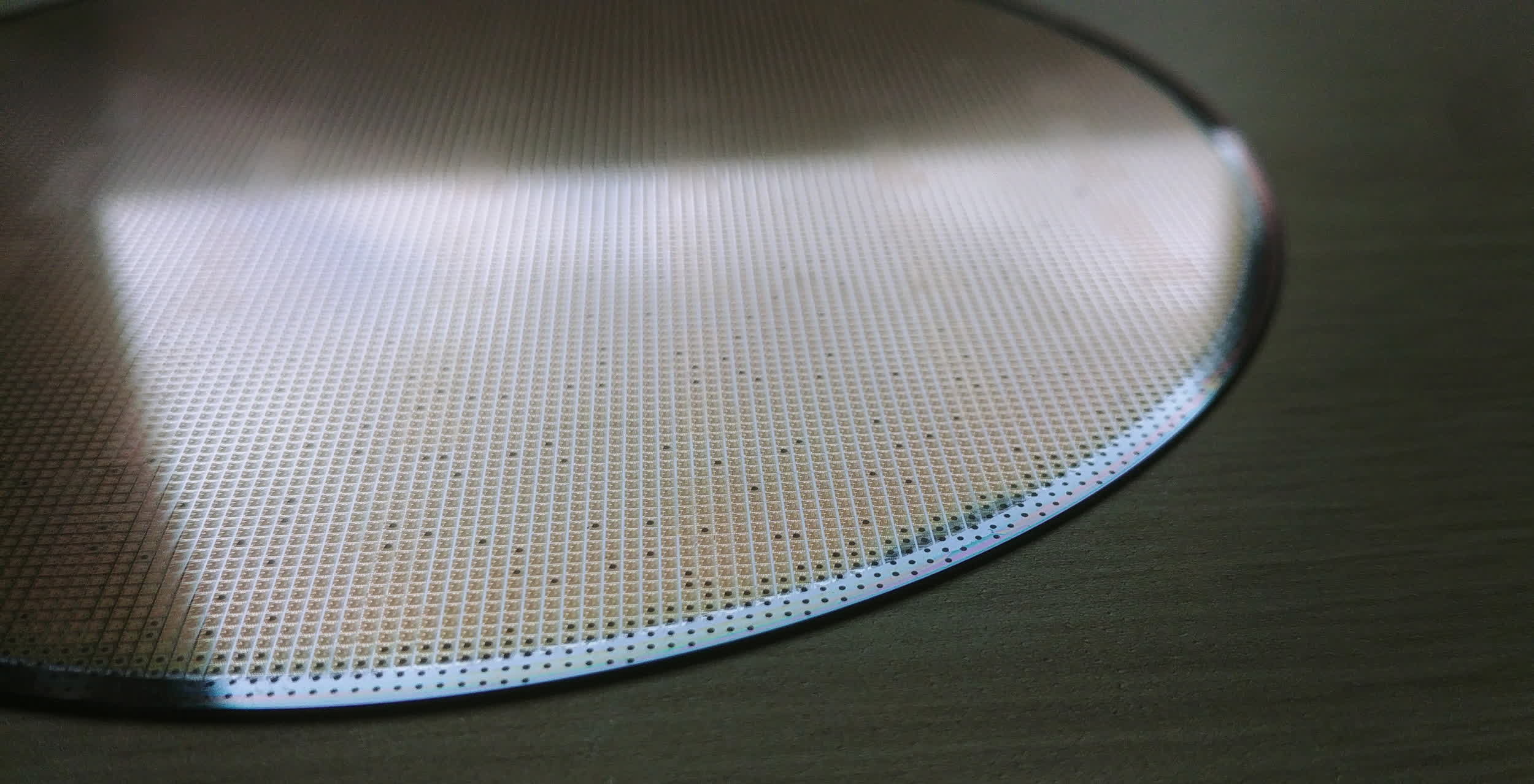
Taiwan Semiconductor has already begun ramping up production of its N2P process, its most advanced node, to satisfy demand from Apple and other major clients. Analysts initially expected price hikes to apply only to chips made in the company's US facilities, but new reports indicate the increases will extend across Taiwan's entire chipmaking industry.
What's worse, TSMC is concentrating more resources on sub-5nm nodes, reallocating a significant portion of its workforce, equipment, and other assets from older processes. Mature nodes such as 6nm and 7nm may face constraints, potentially affecting customers who do not require the most advanced technology for their designs.
If the predictions hold, the world's largest chipmakers will soon face a significant spike in manufacturing costs. Whether due to inflation, market demand, or volatility in the AI boom, companies such as Nvidia and Qualcomm will likely pass much of the increase on to customers through higher prices for consumer products.
TSMC is hiking prices on its most advanced manufacturing nodes


