
In a nutshell: More questions are being asked about just how safe ride-hailing services really are. According to sealed documents, industry leader Uber received 400,181 reports of sexual misconduct between 2017 and 2022, which works out at around one every eight minutes. But Uber argues that many of the reported cases are "less serious."
The figures come from documents that are part of a class-action lawsuit filed against Uber, which saw over 1,600 cases merged into one earlier this year. It includes claims that the company was lax when it came to driver background checks, failed to report sexual violence to police, and allowed sex offenders to drive for the firm, all while banking millions in "rider safety fees."
As per the New York Times, which based its report on interviews with current and former employees, internal documents, and court records, Uber only disclosed 12,522 accounts of serious sexual assaults during the same five-year period.
Uber's US safety head Hannah Niles said that around 75% of the 400,000+ cases are "less serious" and non-physical incidents. These include comments on passengers' appearance, flirting, staring, or using inappropriate language. Niles added that most of the reports are unaudited, meaning they haven't gone through the process that accounts for incorrect and mistakenly categorized reports, as well as fraudulent claims from people looking for refunds.
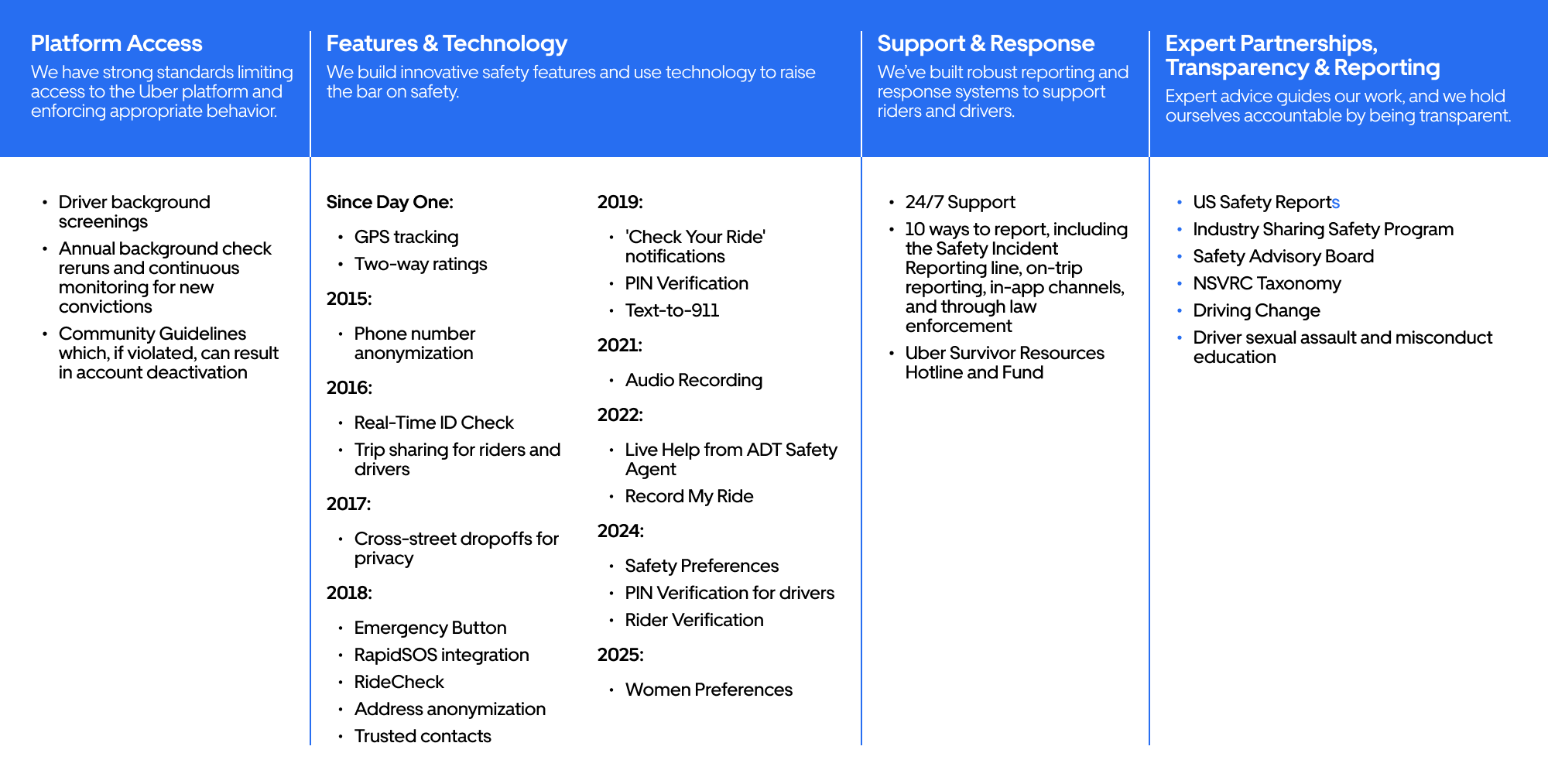
Niles also notes that 6.3 billion Uber trips took place in the United States during this time frame, meaning all of the reports amounted to just 0.006% of total trips. She did add that there is "no 'tolerable' level of sexual assault."
Niles added that reports of serious sexual assault on Uber have fallen by 44%.
The NYT says that Uber could have taken extra actions to improve passenger safety, such as pairing female riders with female drivers (a feature it is now testing), using matching algorithms, and warning passengers about factors linked to attacks.
The company has also examined placing cameras in Uber vehicles. It decided to abandon the plan as its drivers are classified as independent contractors and not employees, so it didn't want to become tangled in employment laws regarding equipment training. Niles says not having cameras in the cars is as much to do with practical challenges and privacy concerns as employment classification.
In July, Uber said it had resolved more than 100 sexual assault lawsuits in state and federal court brought by a single law firm. Thousands more have been brought and settled since 2018, when Uber ended forced arbitration for passengers, drivers, and employees who made sexual misconduct claims against the company. The first sexual assault case to go trial will begin in September.
Uber defends safety record after 400,000 sexual misconduct reports in five years surface


