US microreactor achieves first self-sustaining nuclear chain reaction, targets 2028 deployment

Skye Jacobs

Posts: 2,030   +59
Staff
Why it matters: A privately built microreactor at Idaho National Laboratory has passed a key test, sustaining its own nuclear chain reaction and pushing a new generation of small reactors closer to real-world use. The Energy Department says Antares Nuclear's microreactor at the lab reached "criticality" on June 4. That milestone means the reactor can sustain a chain reaction that steadily releases energy, a basic requirement before it can generate power.
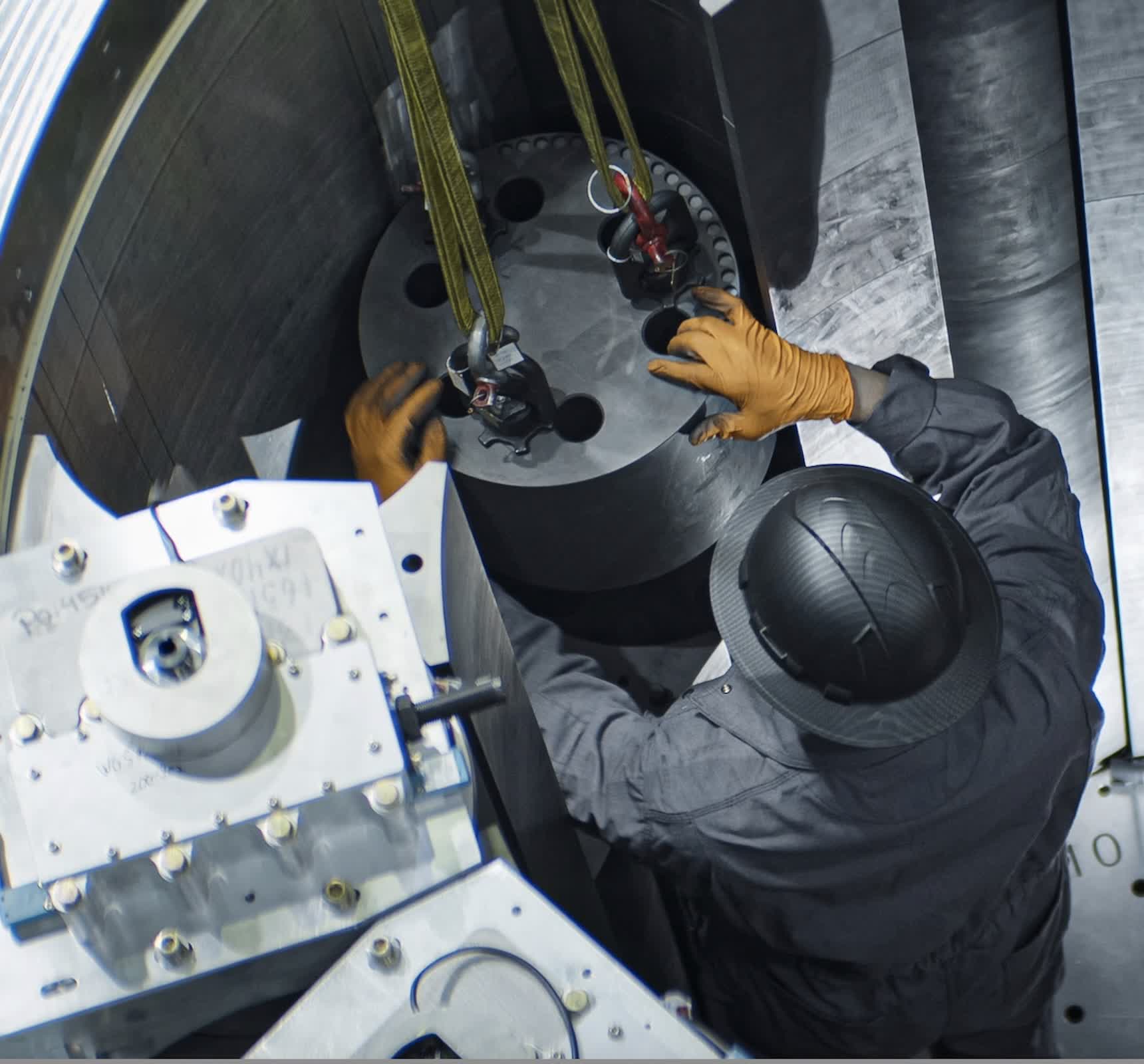
Federal officials cast the test as a win for the Trump administration's effort to speed up new nuclear projects. "We are very excited by this news today," Energy Secretary Chris Wright said during a call with reporters. "I think June 4th will be a historic day in the American nuclear renaissance." He added that Antares and its partners "have shown America can do bold things," crediting companies like Antares with advancing new reactor designs.

The Antares project is part of a federal pilot program launched last year under the Trump administration to speed up the development and testing of advanced reactors. Traditional nuclear plants are big, complex builds; microreactors are meant to be compact and movable. Federal agencies have already tested moving a small, unfueled reactor by air, underscoring interest in systems that can be deployed quickly to bases and other hard-to-reach sites.

That design approach is one reason the US military has taken an interest. The California-based company is initially targeting military applications, focusing on power systems for bases and other defense sites.

The system is still years from commercial use, but Antares executives describe the test as a major step toward that goal. "Nuclear in America has been defined for too long by delays, by companies that said they would and then didn't," CEO Jordan Bramble said in a written statement. At a separate briefing, he described the milestone as part of a broader rollout timeline. "This is the first step on a roadmap toward producing electricity ahead of deploying this technology for customer sites," Bramble added.

Antares expects to begin producing electricity by late 2027, with deployment targeted for 2028.

Federal officials are pushing other reactor projects to hit similar milestones on a faster schedule. The Energy Department has picked 11 advanced reactor projects, including Antares, and the Trump administration wants at least three test reactors to reach criticality by July 4, the nation's 250th anniversary.

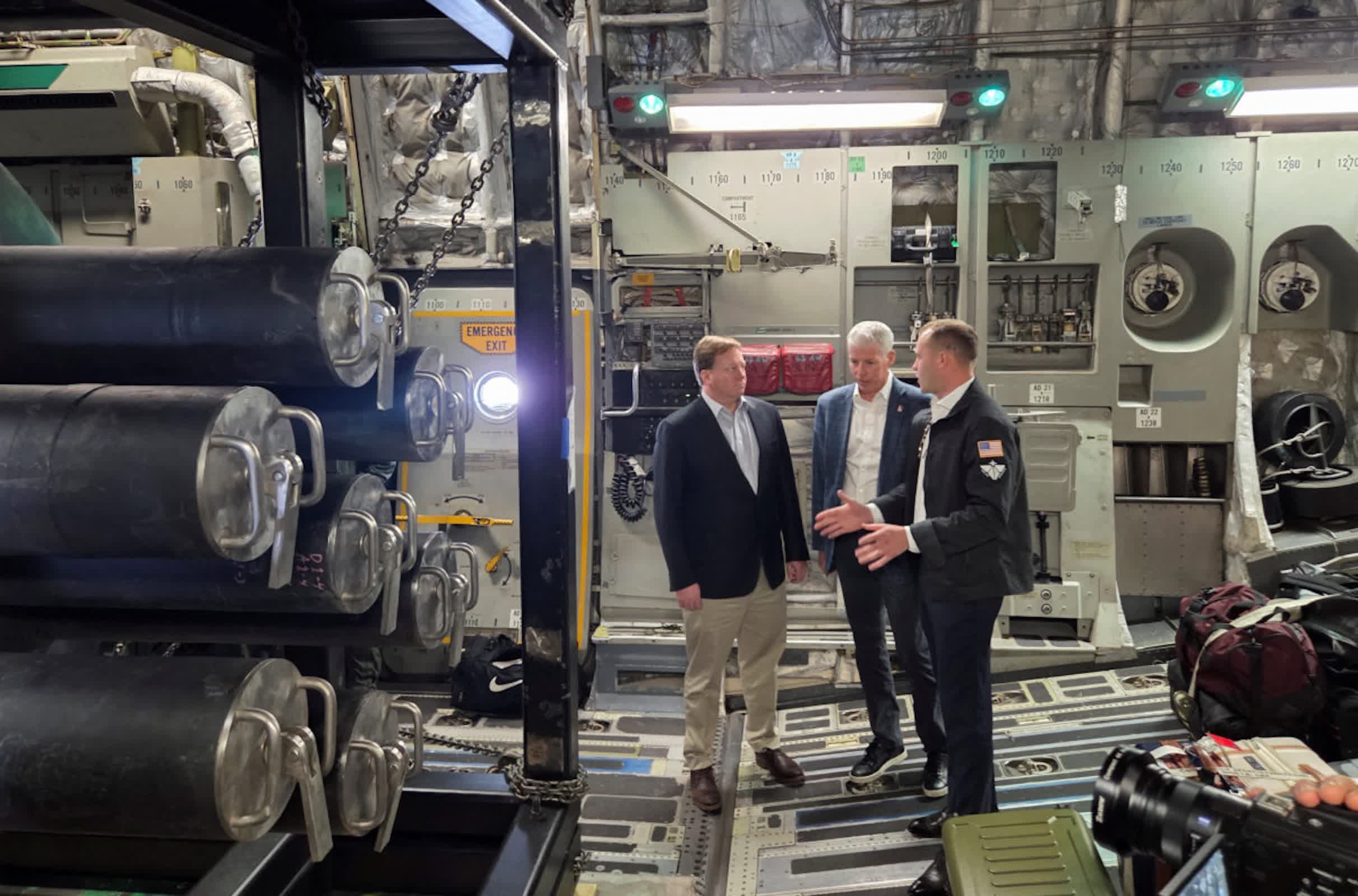
At the same time, agencies are testing how these systems might be moved and installed. In February, the Pentagon and Energy Department flew an unfueled, 5-megawatt Valar Atomics microreactor from Southern California to Hill Air Force Base in Utah, a trip of about 700 miles.

The reactor was not fueled, but the exercise was meant to show that small nuclear systems could be deployed quickly if needed. Once operational, that unit is expected to generate enough power for about 5,000 homes. Valar CEO Isaiah Taylor has said the company aims to begin limited power sales next year and reach full commercial operations by 2028.

Not everyone is convinced the progress is as meaningful as it sounds. Edwin Lyman, director of nuclear power safety at the Union of Concerned Scientists, pushed back on claims by Antares and federal officials about what the test shows. "This stunt is a rudimentary first step that has absolutely no bearing on whether the Antares reactor will be safe or commercially viable," he said, also disputing the Energy Department's assertion that the test confirms safe operation.

Those tests are unfolding against a changing policy backdrop in Washington. Executive orders signed in May 2025 gave the Energy Secretary more authority to approve certain advanced reactor projects, while limiting some of the Nuclear Regulatory Commission's oversight. Supporters say streamlining approvals will help advanced reactors move from lab tests to the grid more quickly. Critics counter that weakening the Nuclear Regulatory Commission's role could undercut safety oversight.
One issue that remains unresolved is what happens to the waste. Wright has said the Energy Department is talking with Utah and other states – including Tennessee, Nebraska and Idaho – about sites to reprocess fuel or handle permanent disposal, but the administration still has no final decision.

Permalink to story:

 
I hope someone can setup reprocessing (and make it viable enough to use over disposal). Would be one less thing for the critics to whine about.

It's a shame that the fearmongering over the past decades stunted the progress of the most reliable and viable green energy source we have.
 
Are microreactors really new to militaries? I feel like they've been around a long time. Like the one the US lost in the Himalayas, or stories you hear about hunters in Russia stumbling on warm objects they end up regretting finding. Or maybe those devices are much smaller and this news is about a new size class?
 
Are microreactors really new to militaries? I feel like they've been around a long time. Like the one the US lost in the Himalayas, or stories you hear about hunters in Russia stumbling on warm objects they end up regretting finding. Or maybe those devices are much smaller and this news is about a new size class?
What you are probably thinking of are radioisotopic thermoelectric generators, which use thermocouples to convert heat (from the radioactive decay) directly to electricity. They are good for a few hundred watts in an isolated area over an extended period of time, but are not proper reactors - the one mentioned here will put out 5 million watts of power. The closest thing militaries would have in operation would be the reactors on submarines, but those are still quite a bit larger.
 
This is great news, we need more power and we needed it yesterday. The best thing we can do is get big government out of the way.
 
"Union of Concerned Scientists"

This would be more significant if this union actually had any nuclear engineers or scientists choosing to join its ranks. They don't exactly have a relevant background of knowledge in their organization.
The so called "Union of Concerned Scientists" is merely a hysteria -spreading group. It's mainly focused on fanning climate hysteria, but in general is against any form of technological advancement.

Unions of assorted 'concerned' aside, fantastic news.
 
Not at all, no. The Soviets were mighty careless with them at times, but even still they killed a lot less people than soot from coal plants.


The design just flawed, Raw salty seawater destroyed those units. Till the point some looters took those things open, apart, with their bare hands, or even a few, sleeping right next to one during a campfire lol.

Radiation is an insane subject. I mean I know there's good instances, the Voyagers currently still up in the universe after so many years. But in space there's no concern to radiation.
 
The design just flawed, Raw salty seawater destroyed those units. Till the point some looters took those things open, apart, with their bare hands, or even a few, sleeping right next to one during a campfire
If you had any idea how much radiation there is around you at all times from natural sources, you'd be a lot less concerned about these, especially when they're in an ocean already filled with trillions of tons of radioactive uranium, thorium, radium, and K-40.
 
If you had any idea how much radiation there is around you at all times from natural sources, you'd be a lot less concerned about these, especially when they're in an ocean already filled with trillions of tons of radioactive uranium, thorium, radium, and K-40.

Yeah but those are not lethal for even being close to 10 minutes are they?

It's remarkable that certain animals living near Chernobyl actually are surviving the constant radiation. Their bodies adopted to it.
 
It's remarkable that certain animals living near Chernobyl actually are surviving the constant radiation. Their bodies adopted to it.
There's nowhere near as much radiation there as you believe. Even after the meltdown, the other three reactors at Chernobyl remained in operation for another decade, with workers arriving there daily for their work shifts.

If you tried to grow food there you might concentrate enough Sr-90 to matter, but outside the reactor itself and a couple other hot spots, its not a problem.
 
Progress in a positive direction. Get rid of those unsightly windmills

- Honestly we should be looking into energy from every conceivable source instead of fighting culture war BS about power. Each tech has some upshot and some downside and its more a questions of getting the right ratios for the right situation than anything else.

Solar/wind/hydroelectric/geothermal/nuclear/LNG/Coal etc.

Let's climb the Kardashev Scale out of type 1 civilization territory one step at a time...
 
- Honestly we should be looking into energy from every conceivable source instead of fighting culture war BS about power. Each tech has some upshot and some downside and its more a questions of getting the right ratios for the right situation than anything else.

Solar/wind/hydroelectric/geothermal/nuclear/LNG/Coal etc.

Let's climb the Kardashev Scale out of type 1 civilization territory one step at a time...
Naw. Solar and wind are no good except to make yourself feel good
 
This is great news, we need more power and we needed it yesterday. The best thing we can do is get big government out of the way.

Your two statements could hardly be more contradictory. The Department of Energy is directly funding new nuclear facilities as well as research and development of new reactor types and enrichment processes and much more to the tunes of billions of dollars, thankfully.
 
There's nowhere near as much radiation there as you believe. Even after the meltdown, the other three reactors at Chernobyl remained in operation for another decade, with workers arriving there daily for their work shifts.

If you tried to grow food there you might concentrate enough Sr-90 to matter, but outside the reactor itself and a couple other hot spots, its not a problem.

That's because it never actually happened.
 
Windmills are here to stay!
When government needs to use a steady stream of billions of dollars annually to keep an industry afloat, you know that industry has severe systemic flaws.

But once again, you failed to read your own link:

"..While the ruling is a win for renewable energy supporters, it comes less than a month before a key deadline to phase out the credits entirely under Republicans’ “Big Beautiful Bill,” so it’s unclear how wide-reaching the decision will be. "
 
Back