Used memory chips are creeping into budget phones, and it could get worse

Shawn Knight

Posts: 15,889   +203
Staff member
TL;DR: Desperate times call for desperate measures, and the electronics industry has been there for a while now. After grappling with rising memory costs and inventory shortages, and eventually realizing that the situation may take years to resolve, some device makers are looking for alternative solutions that give old hardware components a new lease on life.
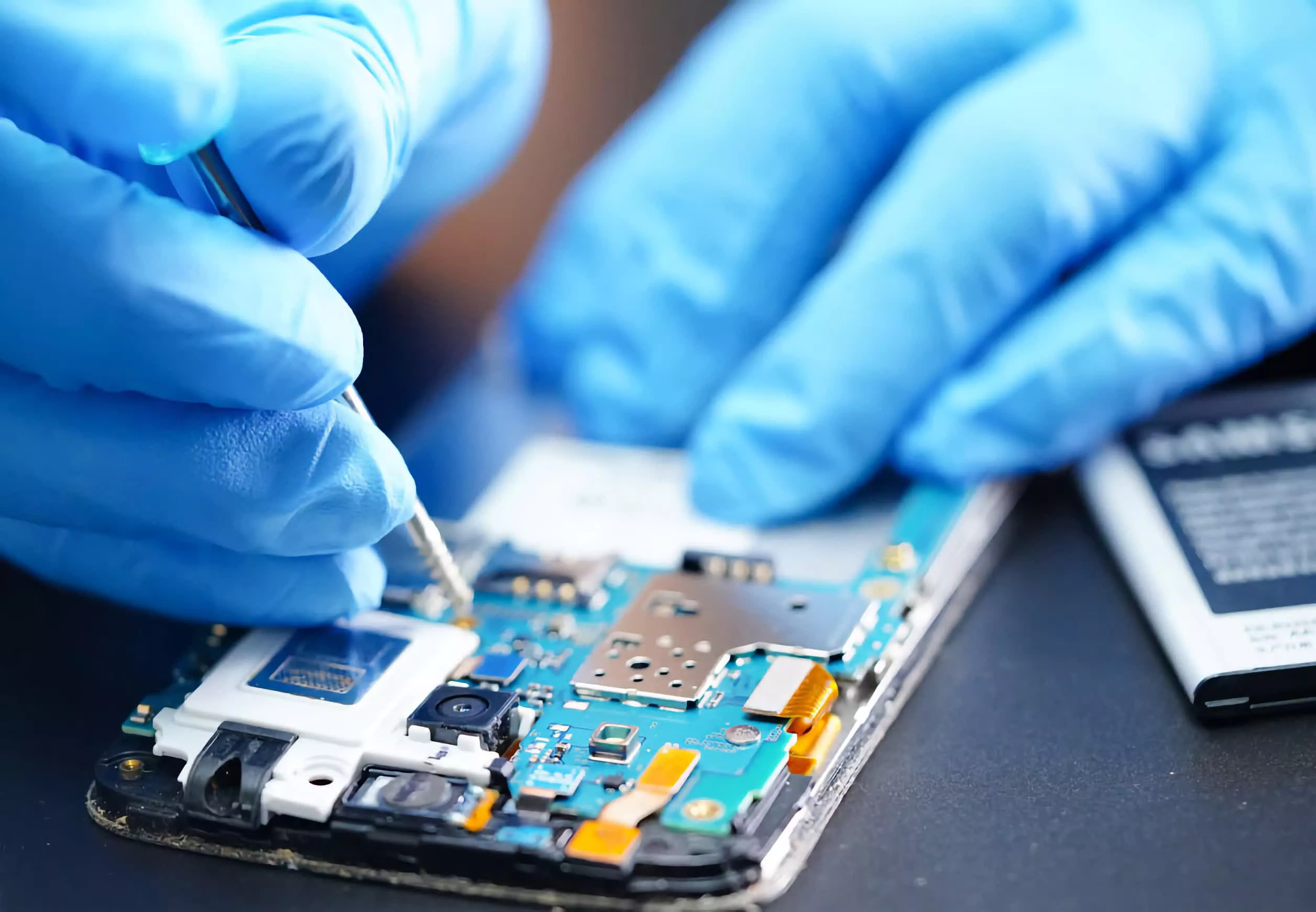
According to a recent report from TrendForce, DRAM contract price hikes are forcing some smartphone brands to consider reballed memory components for their budget lines. In short, reballed memory refers to used memory salvaged from old hardware and fitted with new solder balls so they can be installed on other devices.

TrendForce said most of the reballed memory on the market consists of LPDDR4X 4GB modules, and is ideal for entry-level 4G phones. But with DRAM prices expected to continue on an upward trajectory and little inventory relief in sight, lower-spec components and reballed memory could eventually infiltrate higher-priced devices that have historically been categorized as mainstream.

The use of reballed memory in the smartphone industry is not new, but it isn't terribly common either. TrendForce estimates that "recycled" modules will account for 3-4% of mobile RAM in 2026, and warns that adoption could climb to as high as 7-9% next year.

TeamGroup said earlier this month that the worst of the ongoing memory shortage is still to come. Chen Ching-wen, the Taiwan-based hardware company's CEO, believes prices will keep climbing for months to come. Eventually, however, people won't be able to buy memory no matter how much money they have because there simply won't be any to spare.

SK Hynix's messaging isn't much different. As part of its latest financial results for the third quarter, the South Korean chipmaker said that demand for AI-related products is not slowing down. As such, they expect the memory market to sustain growth over the mid- to long-term. That is great news for those involved in the manufacturing process and their investors, but concerning for virtually everyone else.

Permalink to story:

 
I don't have a problem with this, as long as products clearly identify the use of used parts. If a chip runs correctly for the 3 to 6 year life of a phone, it can probably run a lot longer than that. PC builders (at home) have been re-using parts for decades, swapping them between PCs, trading, buying/selling used parts, etc. I don't see why this isn't viable on the component level as well, as long as the products are clearly labeled as using used parts.
 
In short, reballed memory refers to used memory salvaged from old hardware and fitted with new solder balls so they can be installed on other devices.
It's kind of funny how reducing waste was never a priority, until "just make more stuff" was literally not an option...

Because, y'know, we can't just do the sensible thing from the onset. No, we have to procrastinate and fib and lie and say "we'll do better", but "better" never happens until circumstances force our hands. The human inclination to do nothing different, and complain "it's not working", strikes again.

Just to be clear, the reason people wouldn't like this, is because "budget" is usually code for "not as nice as the better offerings" or even just "new old stock", not "preowned". Cheaper =/= "used". I suppose the more important implication from doing this is that it contaminates the meaning of the word "new"; where before it was a given that a fresh smartphone would have fresh-from-the-factory parts, now that is no longer a given. You don't know what devices have used parts and manufacturers aren't exactly inclined to disclose that information if they can avoid it, because it affects their bottom line. So, we'll have to see how this plays out.

I am cautiously optimistic that this will have good outcomes for sustainability, but part of me reads this situation with a tendency towards "cynical cash grab". I hope I am wrong, but manufacturers definitely do not want to be in this situation. If we had arrived here because device makers realized the value of reusing parts instead of just making everything from scratch, then this would be a different story. As it stands, this is a sign of desperation.
 
Last edited:
I don't have a problem with this, as long as products clearly identify the use of used parts. If a chip runs correctly for the 3 to 6 year life of a phone, it can probably run a lot longer than that. PC builders (at home) have been re-using parts for decades, swapping them between PCs, trading, buying/selling used parts, etc. I don't see why this isn't viable on the component level as well, as long as the products are clearly labeled as using used parts.
So you are ok to pay full price for used parts?

Where have people's standards gone to?

Would you like to bend over while at it?
 
Hopefully someone passes a law to clear mark product that use recycled RAM. I wouldn't be to happy paying for a $1300 phone with recycled RAM.
 
Ram may not be that big of a deal.. but used flash modules that sucks major donkey balls
People aren't trading new phones so the RAM in those older gen phones will likely run slower as their max clock speeds the current gen RAM likely. There is almost nothing worse than using a slow laggy phone.
 
I don't think it can get much worse, selling used parts as new. Manufacturers would need to sell these at refurbished prices, IMO.
The only way it could get any worse is if we had to recycle and cobble together phones ourselves like some kind of cyberpunk dystopia.
 
Back