
In context: Most companies mark a major birthday with a press release and a photo of a cake in the break room. But Valve has done nothing of the sort so far for the big day. On August 24, 1996, thirty years ago today, Gabe Newell and Mike Harrington signed the paperwork on a company they registered as Valve, LLC.
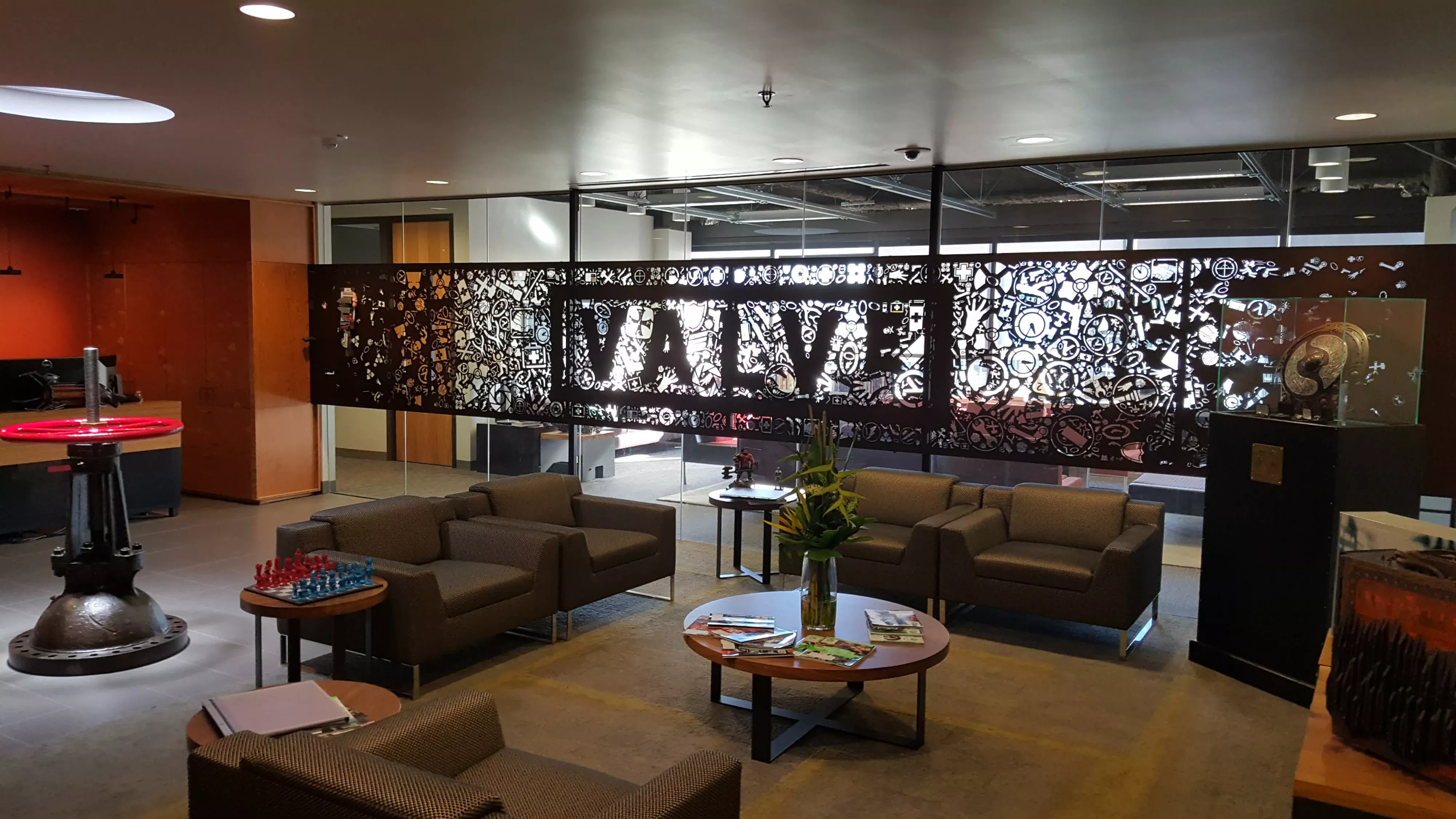
Interestingly, both Newell and Harrington had just quit Microsoft before they started Valve. Newell had been there for thirteen years by that point, working on early versions of Windows. The job had also made him rich enough to fund a startup himself, since he left with more than a million dollars of his own money.
However, it was Harrington who suggested they spend it on games. The two had known each other since a birthday party in 1987, and once they agreed to go ahead, they set up shop in Kirkland, Washington. That put their new office about five miles down the road from the Microsoft campus in Redmond.
Their own savings did not cover the whole endeavor, though. A publisher in the same state, Sierra On-Line, agreed to back them with roughly a million dollars. In exchange, Sierra took 30% of the revenue and every scrap of intellectual property.
Even with that deal signed, the pair were still four million dollars short. Harrington sold his Microsoft shares to cover his side of the gap. Newell would not part with his, so he borrowed against them instead.
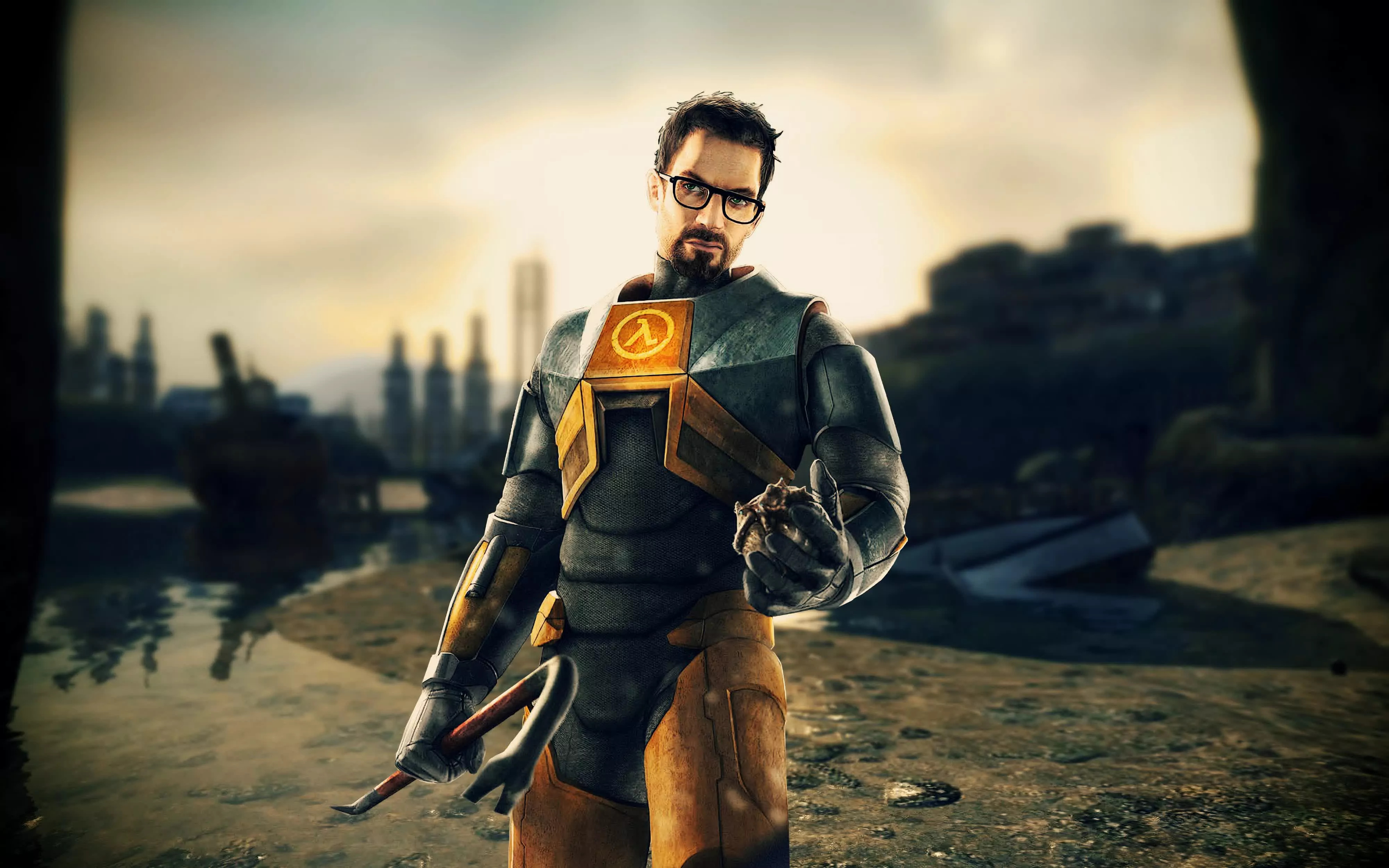
The bet paid off about two years later. Half-Life arrived in November 1998 and sold 2.5 million copies within twelve months. A lot of that came down to how it handled its story, which played out around you as you kept moving rather than pausing to show you a scene.
Steam came along five years later, and you'd be surprised to know that it started off as something far less ambitious. Valve built it just to deliver updates because patches for games like Counter-Strike kept breaking them for days at a stretch.
Tech Trivia: Valve co-founder Gabe Newell is a former Microsoftie: Which game did he port to Windows 95 during his tenure?
Eventually, Steam grew into a storefront also stocking everyone else's games. Today, it's where the bulk of Valve's revenue comes from. The company takes a 30% cut of most titles sold through the store. They're doing pretty well, too, with Alinea Analytics estimating that Steam grossed $11.1 billion in the first six months of this year.
Money on that scale is what let Valve start building its own machines. The Steam Deck handheld landed in 2022, and this June brought the Steam Machine, a compact living-room PC. It starts at $1,049 for the 512GB model, a number Valve settled on after a shortage of memory chips ruined its original pricing.


