What just happened? For US-based collectors and PC hobbyists, the cost of acquiring obsolete hardware is rising sharply as federal authorities increase scrutiny on low-value imports. In one recent case, a California hobbyist importing a $355 shipment of new-old-stock Apple logic boards and vintage video cards from Germany was hit with $684 in tariffs – almost twice the value of the hardware. Only after a lengthy appeals process was the amount reduced.
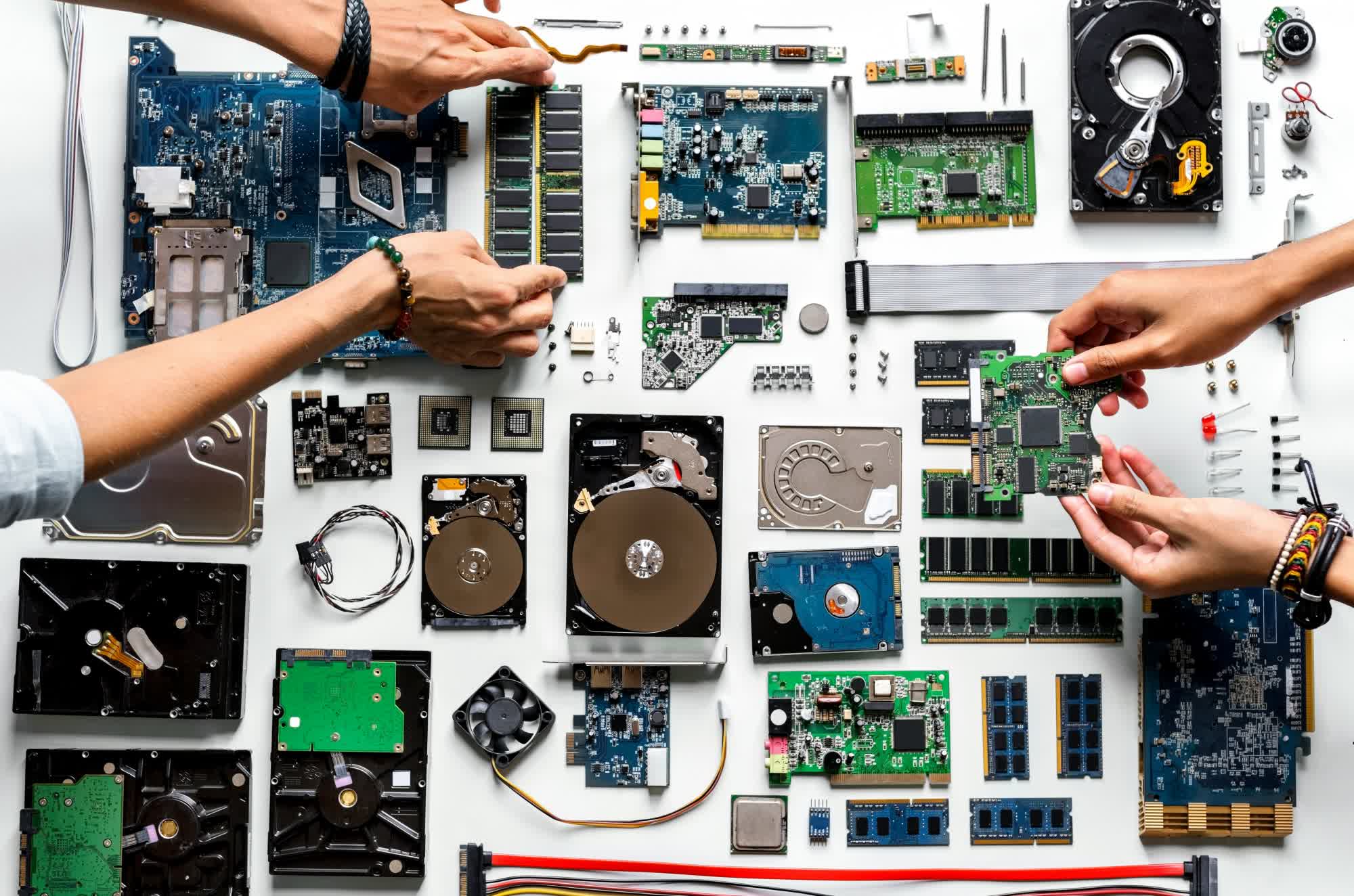
The case illustrates how procedural changes in customs enforcement, combined with misclassification, are creating outsized consequences for a growing segment of technology enthusiasts.
In August, US Customs and Border Protection finalized a regulatory shift that dismantled much of the so-called de minimis exemption. Previously, most shipments valued under $800 entered the country duty-free, bypassing the tariff structure applied to higher-value or commercial imports.
The rationale behind the change was to close loopholes in bulk online shipping, but the effect has also swept up hobbyist and collector shipments, which rarely meet the detailed documentation standards required of large-scale importers.
Under the new regime, express carriers such as UPS and FedEx must submit a complete 10-digit Harmonized System code and a documented country of origin for every incoming parcel, including low-value packages. Any missing data triggers a backstop: customs officials or, more commonly, the carrier's brokerage arm defaults to a classification based on whatever information is available.
For shipments of older or uncommon technology components, where documentation is often incomplete or ambiguous, this process can produce unpredictable and expensive outcomes.
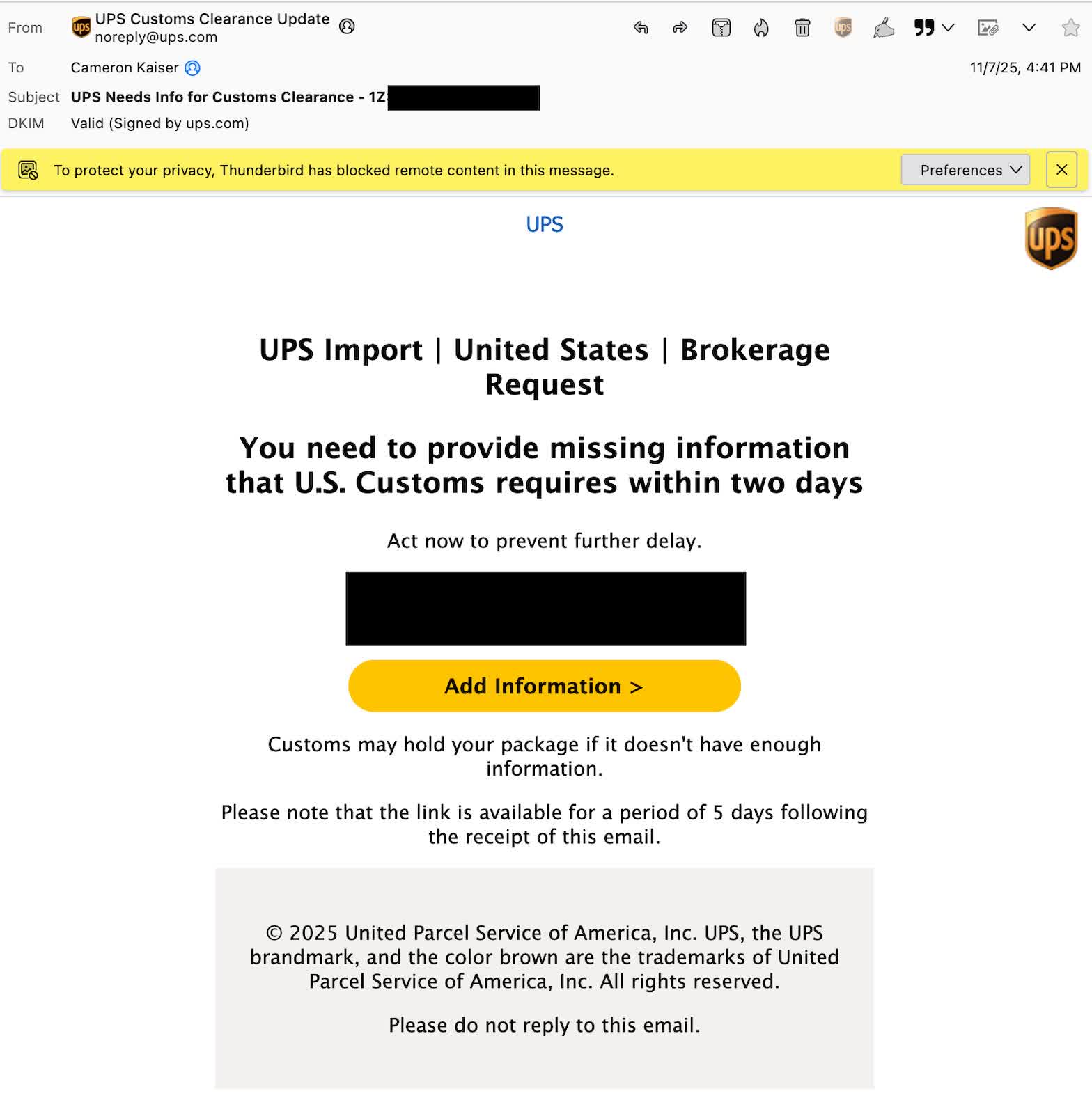
In the November incident, the German seller had provided a Harmonized Tariff Schedule code – 8473.30 – which covers "parts and accessories of the machines of heading 8471," a designation typically applied to PCBs and digital processing units. Even so, the parcel was flagged for additional review under Section 232, which concerns steel and aluminum content, requiring the recipient to itemize the metal weight and value.
The process involves not only the technical characteristics of the shipment – such as the type, age, and function of each component – but also values derived from contemporary spot-market pricing, including, for example, $0.48 for a steel bracket on a PCI card.
UPS, acting as both broker and importer of record in this case, initially assessed and prepaid the imposed duties to Customs before seeking reimbursement from the recipient. The charges included the calculated tariff, brokerage fees, and a surcharge based on a presumed classification tied to industrial materials rather than vintage electronics, resulting in a total duty far beyond any reasonable expectation for shipments of this kind.
Technical missteps are becoming increasingly common when carriers must work from incomplete customs submissions. A single classification error can trigger steep tariff rates – sometimes up to 35 percent – or, if the country of origin is unclear, even higher punitive rates under special restrictions, such as the 25 percent tariffs applied to Chinese-origin goods.
The process is largely automated; recipients are often informed of the final charge only after the shipment is already inbound and scheduled for delivery. At that stage, options for contesting the charge are limited, as refusing to pay can result in the consignment being warehoused – incurring additional storage fees – or even transferred to a government holding facility.
In this case, the buyer paid the full $698 charge immediately to avoid $20-per-day storage accruals. Only then did a days-long dispute process begin, routed through email addresses buried deep within UPS documentation and initiated only after navigating multiple automated service portals.
The eventual resolution, following a review by a specialized post-entry team at UPS's primary brokerage hub, resulted in the parcels being recategorized under HTSUS code 8473.30.2000 (parts and accessories of printed circuit assemblies). The corrected duty applied a 15 percent tariff to the EU-origin goods – a substantial reduction from the original bill – and a refund was issued for the overcharge.
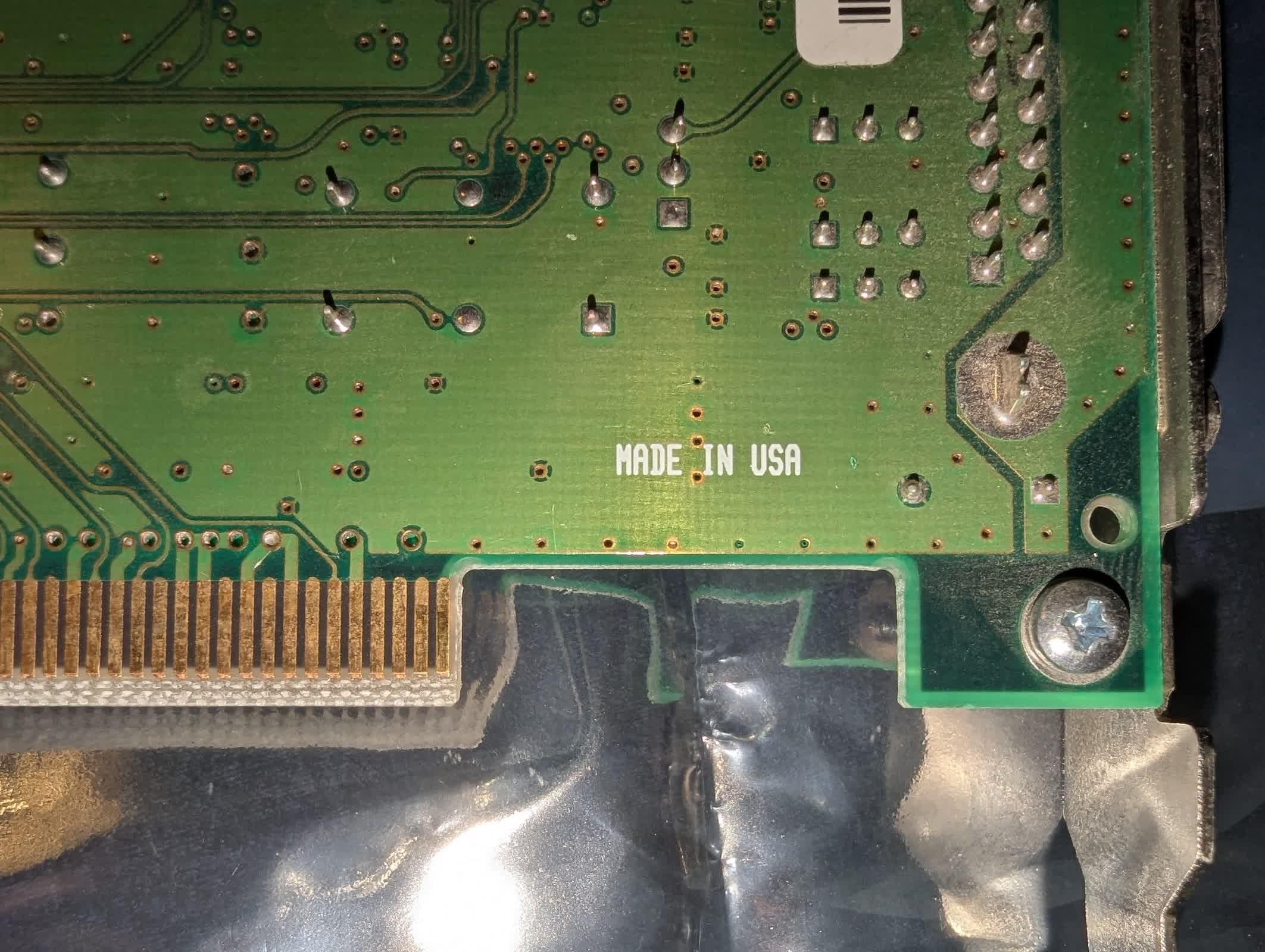
Several factors combine to make imported vintage hardware a flashpoint under the redrawn customs landscape: the lack of origin markings on used or surplus components; the unfamiliarity of non-commercial shippers with precise HS codes; and the tendency for PCBs and related accessories to fall across multiple classification categories.
Technical details – such as packaging type, included metals, and provenance – can all influence the final duty assessment, further complicated by the fact that buyers are often the "ultimate consignees" rather than formal importers of record.
Other hobbyist importers have reported similar experiences: tariff bills exceeding the value of niche kits or replacement parts, some arriving weeks after delivery and, in certain cases, enforced under threat of collections. UPS documentation explicitly disclaims the inclusion of customs and duties in shipping quotes. Meanwhile, the customs system as a whole relies heavily on the accuracy of the party submitting the data – typically a small retailer or individual shipper, not a major distributor.
As US customs enforcement adapts to new global trade realities, PC hobbyists and collectors are finding that the margin for error shrinks with every missing line of paperwork. For buyers, best practice now means requesting explicit 10-digit HS codes and clearly documented country-of-origin statements from sellers before placing an order.
When disputes do arise, swift payment followed by a detailed post-entry appeal to the relevant broker is often the only way to avoid losing both the item and the funds. While recent cases show that overcharges can be corrected, the process is neither quick nor user-friendly, and the financial burden remains significant until the case is resolved.
Vintage PC parts are getting hit with huge tariffs, even when they're worth almost nothing

 Go Trump!


