
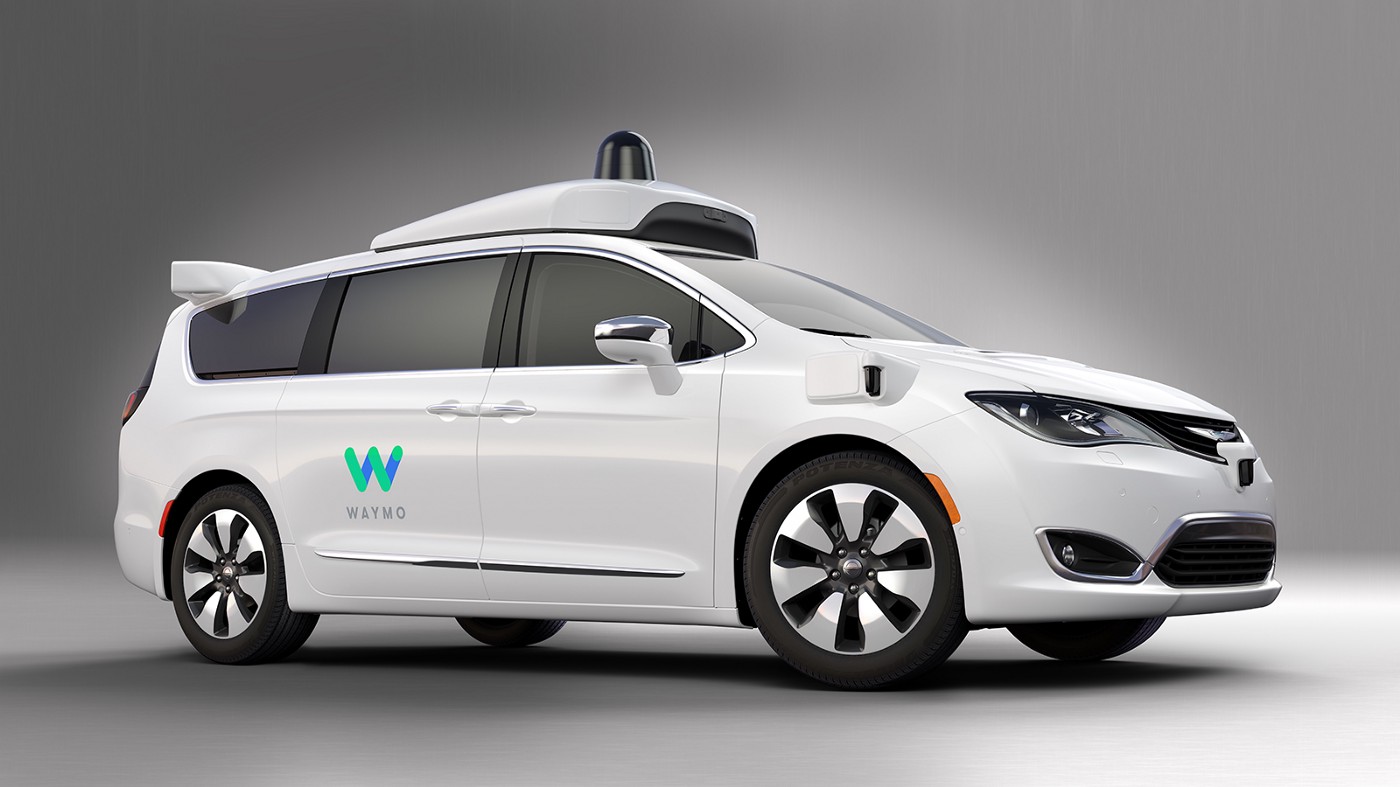
Waymo, the autonomous vehicle development firm from Google parent company Alphabet, is exploring how its self-driving technology could impact the cargo trucking industry.
The company said in an e-mailed statement to BuzzFeed that self-driving technology can transport people and things much more safely than we do today and reduce the thousands of trucking-related deaths each year. As such, Waymo is taking its eight years of experience in building self-driving hardware and software and conducting a “technical exploration” into how the tech can integrate into a truck.
The testing, being conducted at a private track somewhere in California according to Forbes, is said to involve the use of a single Peterbilt Class 8 semi-truck with a human driver behind the wheel at all times. The company apparently declined to specify the location of the test track nor would it share exactly when it plans to conduct road tests in Arizona, only saying that it would happen “later this year.”
Waymo is in the middle of a legal battle with Uber. As the story goes, former Waymo engineer Anthony Levandowski left the company to create a self-driving truck company called Otto which was subsequently acquired by Uber. Waymo claims that Levandowski and other former Google employees stole Waymo trade secrets and used them to help get Otto off the ground.
Uber fired Levandowski earlier this week.
https://www.techspot.com/news/69557-waymo-testing-feasibility-putting-self-driving-tech-semi.html


