Waymo robotaxis crashed 68% less often than human drivers in independent safety study

Skye Jacobs

Posts: 2,039   +59
Staff
Bottom line: Waymo's self-driving taxis are now logging enough miles to produce meaningful safety data, and an independent review suggests they crash less often than human drivers, though the comparison comes with important qualifications. The Insurance Institute for Highway Safety analyzed federal crash data from 2021 through 2024 and found that Waymo vehicles were involved in fewer police-reportable crashes per mile driven.
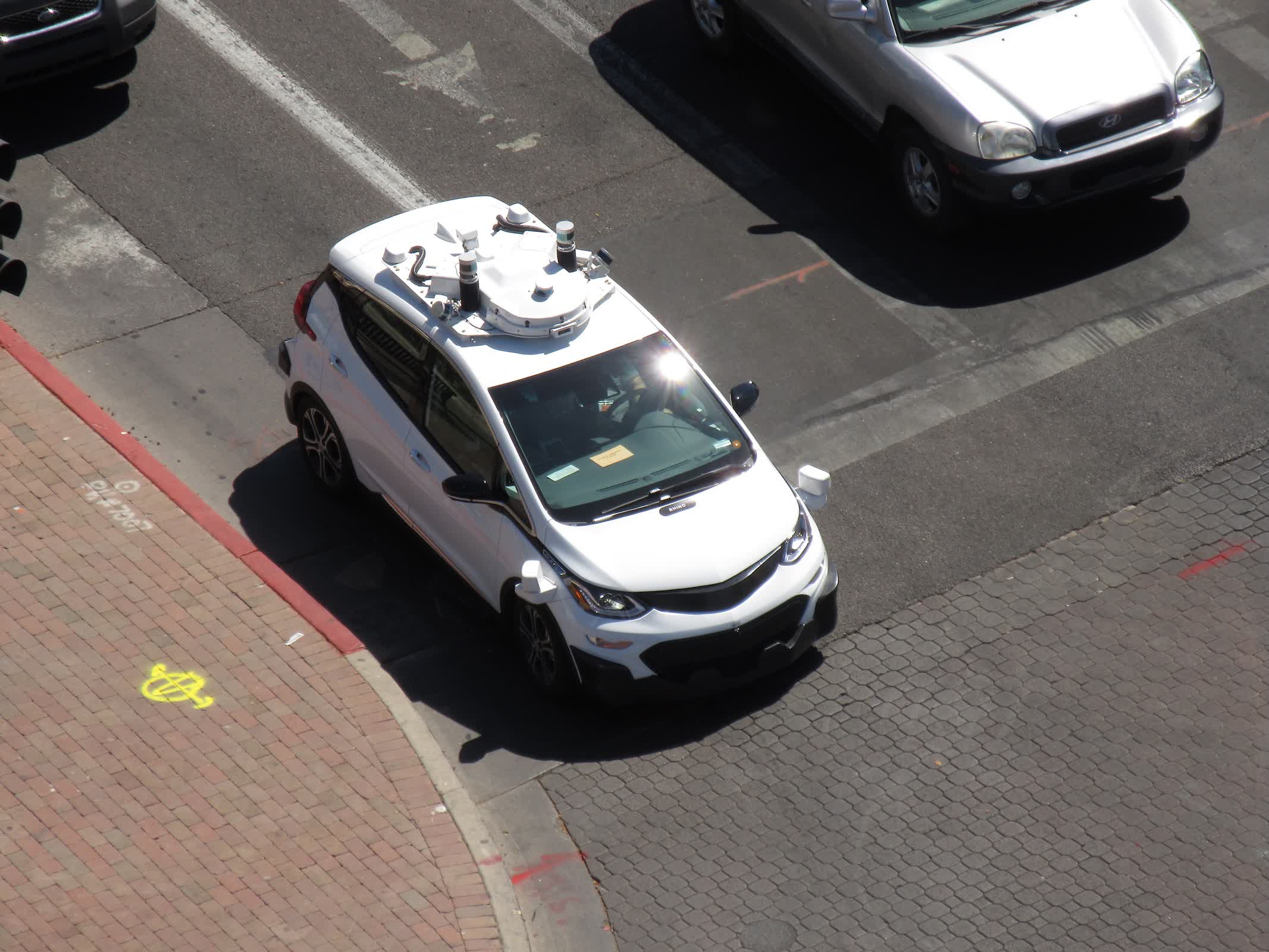
Over roughly 50 million autonomous miles, Waymo recorded 1.28 crashes per million miles traveled, compared with 4.06 for human drivers. That works out to a 68% lower crash rate for incidents serious enough to typically be reported.

The analysis centers on Level 4 autonomous systems, which can operate without a driver in specific, mapped areas. Waymo is currently the most established operator in that category. Its robotaxi service operates in 11 US cities and has completed tens of millions of trips, giving researchers a relatively large dataset to work with.

To make the comparison meaningful, the IIHS had to account for differences in reporting. Autonomous vehicle operators are required to report minor incidents, while human drivers often do not report small fender benders. The study excluded those lower-level crashes to focus on more comparable events. After those adjustments, Waymo still showed both fewer crashes and generally less severe ones.

The company's technology likely plays a role in that outcome. Waymo vehicles rely on a combination of LiDAR, radar, and cameras to track their surroundings in real time. The system does not get tired or distracted, and it responds consistently.

Still, the data turned up some unexpected results. Despite using sensors that do not depend on visible light, Waymo vehicles had a higher share of crashes in dark conditions than human drivers.
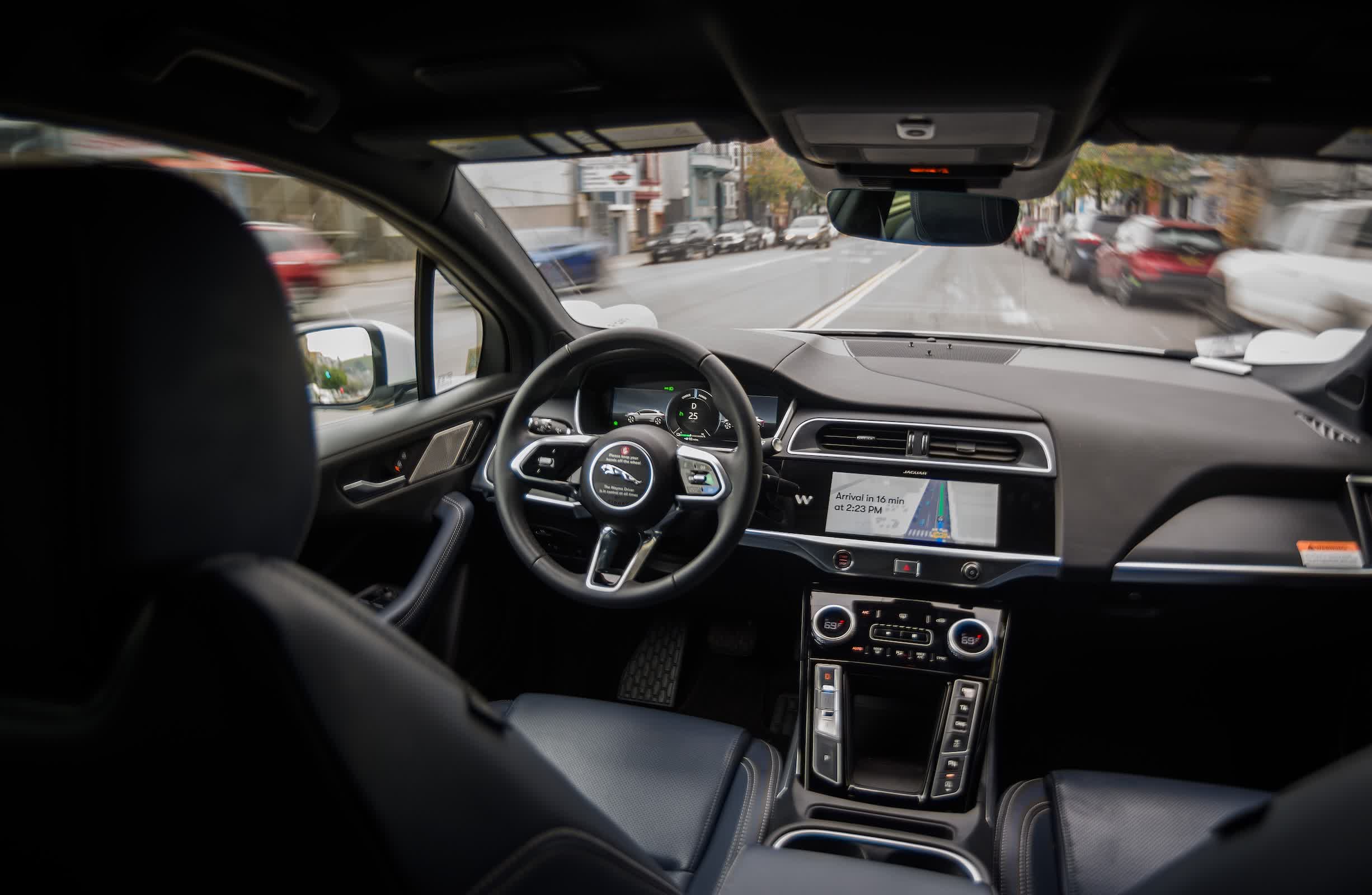
Performance also varied by market. The lower crash rate held in Phoenix, San Francisco, and Los Angeles, where Waymo has its most established operations. Austin was the exception, with a slightly higher crash rate than human drivers during the study period. That appears to be tied to limited mileage, as the company was still testing there and had not yet rolled out full public service.

The findings align with earlier safety claims from Waymo, including company-backed studies that pointed to reductions in injury-related crashes and improved safety for pedestrians and cyclists. Those reports were peer-reviewed but still originated from Waymo itself, making independent analysis like the IIHS study more significant.

At the same time, the report highlights gaps in how autonomous vehicle data is collected and compared. Companies must report crashes, but they are not required to disclose how many miles their vehicles drive. Waymo does share that information, which makes this type of analysis possible, but the lack of consistent reporting across the industry limits broader comparisons.

There is also the question of what counts as a fair benchmark. The study compares autonomous vehicles with the "average" human driver, which includes people who are distracted, fatigued, or impaired. Autonomous systems are designed to operate at a consistent level of performance, so the comparison may not reflect how they stack up against an attentive, unimpaired driver.

Where and how the vehicles operate also affects the numbers. Waymo does not operate on highways, where crash rates are typically lower. Instead, its vehicles operate mostly on city streets. Even within that category, they tend to drive on lower-speed roads. Half of Waymo's crashes occurred on streets with speed limits under 25 miles per hour, compared with just 8% for human drivers. Lower speeds generally result in less severe crashes, which likely influences the results.

Another factor is occupancy. Nearly half of Waymo's miles were driven without passengers in the vehicle. That reduces the chance of injuries inside the car, though it also raises questions about efficiency and the impact of empty vehicles on traffic levels.

The data show that Waymo's system is performing well in the environments where it currently operates, particularly in dense urban settings. But they also make clear that the safety gap depends on how the comparison is structured and where the vehicles are deployed. As more miles are logged and reporting becomes more standardized, those distinctions will matter just as much as the headline numbers.

Permalink to story:

 
Biggest issue with this comparison is the "average" driver. The Waymo is not an average driver, it is strictly geo fenced, in well mapped cities, in areas with consistent clear weather.

Subject it to a variety of conditions as a human, and watch the failures roll in. Also, this report doesnt list the failures like the cars getting stuck waiting for each other, or gathering in a pack and having a freak out, or being blocked by a cone....all things humans dont have issues with.
 
Another factor is occupancy. Nearly half of Waymo's miles were driven without passengers in the vehicle. That reduces the chance of injuries inside the car, though it also raises questions about efficiency and the impact of empty vehicles on traffic levels.

A lack of people inside the vehicle can certainly reduce the odds of occupants being injured. I concur with this finding.
 
Biggest issue with this comparison is the "average" driver. The Waymo is not an average driver, it is strictly geo fenced, in well mapped cities, in areas with consistent clear weather.
Oops! The comparison was done on a city-by-city basis. It did not, as you wrongly assume, compare Waymo to the nation at large. Furthermore (though not reported in this article) the study found that:

"...The crashes recorded by Waymos tended to be less severe than human crashes, and tended to not be the fault of the Waymo....."

As a side note to @Skye Jacobs, your article contains a rather severe error. Your claim that the comparison has limitations due to Waymo taxis not being driven on highways. Yet for this very reason, highway accidents were excluded from the comparison.
 
These studies remind me pretty much every other safety study such as guns incidents etc.
Stupid/reckless people drive worse. Good ones are a lot safer than automated cars.
If we gathered the worst drivers in the same category, the autonomous cars would have a drastic win.
But if we were only comparing reasonably good drivers, they would be better than autonomous cars.
We won't improve statistics if we put good drivers into autonomous cars. On the other hand, the roads would be a lot safer if the most reckless drives were forced to use self driving cars.

I just had an idea. When self-driving cars become good enough, we can restrict reckless drivers from driving given they did not harm other people in the accident. That way, they are no longer threatening others, and they can still go to work and not put a burden on the system.
I see a lot of potential here.
 
It's an unfair comparison because they would have to have an equal amount of Waymos as with human drivers in a given city to make an accurate representation and comparison statistics.

But I'm not surprised by this "independent" results as somehow it doesn't sound very independent.
 
It's an unfair comparison because they would have to have an equal amount of Waymos as with human drivers in a given city to make an accurate representation and comparison statistics.
Never took even one statistics class, eh? You're on the Internet -- why not take advantage of it, learn a little, and thus not make such absurd statements?
 
Stupid/reckless people drive worse. Good ones are a lot safer than automated cars.
There's a lot more of that first group than of that second group.
And Waymo (and its ilk) should only be getting better and better whilst humans won't be getting much better on average (probably a lot worse with the attention span nowadays).

I've always figured that once it's substantially safer on average (which it seems to be already) and can handle just about any situation (a lot to be done there still) humans get banned from operating vehicles on public roads at which point the safety factor increases several fold because you could let cars communicate with each other on what their planned actions are and have them share information amongst each other.
Once everything is automated traffic jams shouldn't really be a thing anymore and road infrastructure spending can be scaled back immensely. Always thought that would happen within my lifetime, but I have to say that progress has been rather slow.
 
There's a lot more of that first group than of that second group.
And Waymo (and its ilk) should only be getting better and better whilst humans won't be getting much better on average (probably a lot worse with the attention span nowadays).

I've always figured that once it's substantially safer on average (which it seems to be already) and can handle just about any situation (a lot to be done there still) humans get banned from operating vehicles on public roads at which point the safety factor increases several fold because you could let cars communicate with each other on what their planned actions are and have them share information amongst each other.
Once everything is automated traffic jams shouldn't really be a thing anymore and road infrastructure spending can be scaled back immensely. Always thought that would happen within my lifetime, but I have to say that progress has been rather slow.
I think one of the most terrifying moments in upcoming horror movies will be scenes where a victim is trying to escape from a maniac in a car, and he just casually walks in front of it and the car stops because it has automated pedestrian protection. Idk, but it always made me feel uncomfortable, especially since eventually, both automated and normal cars will have automatic breaks feature to protect pedestrian.
At least, they could supply each car with automatic panic button where a person could quickly connect with the police and send them the location and request help.
 
Back