
WTF?! In what must be the very definition of irony, one of the most infamous anti-piracy campaigns from two decades ago may have included a font that was, in essence, stolen. The "You Wouldn't Steal a Car" PSA is still remembered by many people old enough to recall its 2004 launch, but it seems the ad didn't heed its own warning.
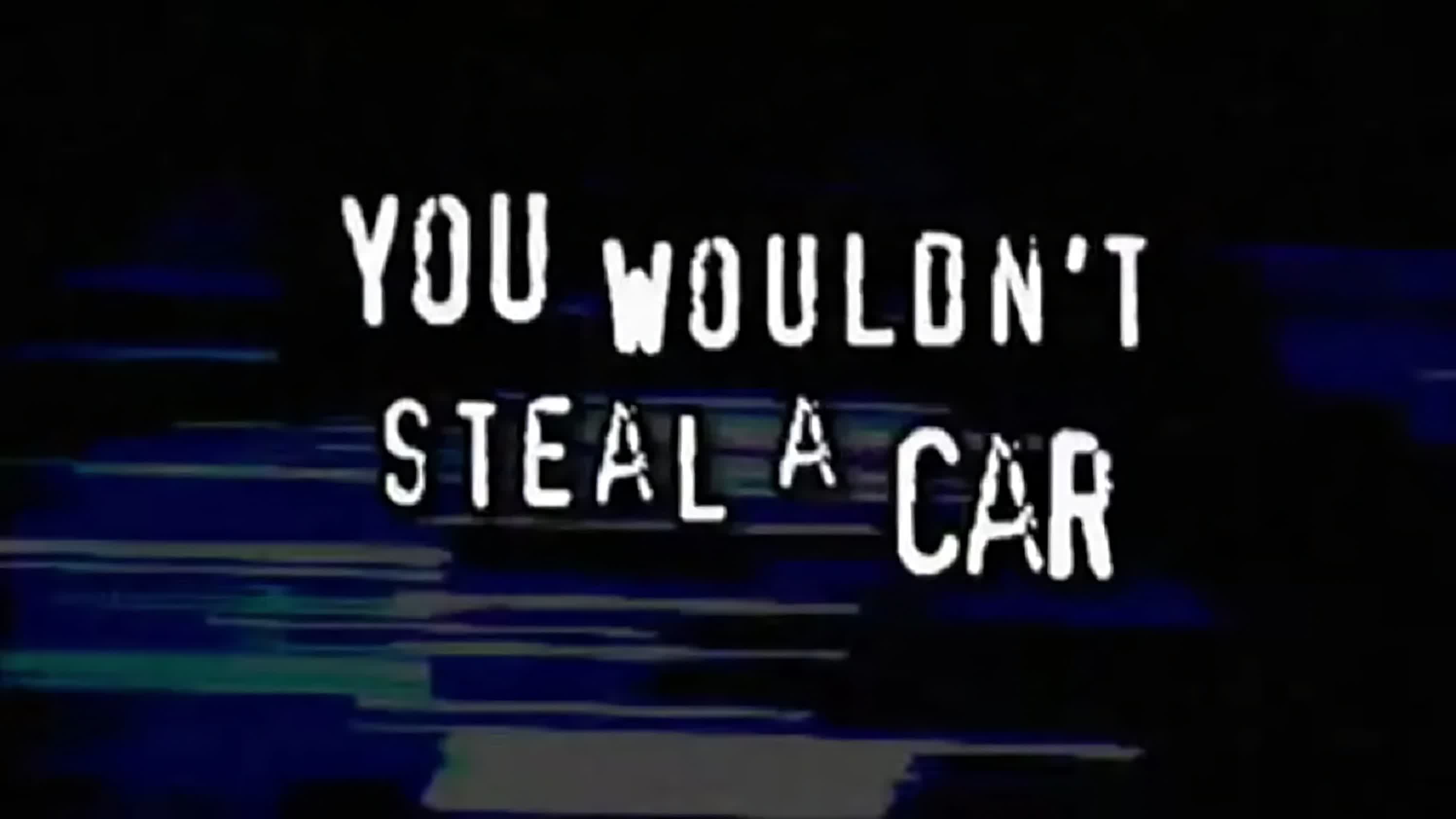
The ad first appeared in cinemas in 2004 as a joint production of the UK's Federation Against Copyright Theft (FACT) and the Motion Picture Association of America (MPAA), before expanding to DVDs and Blu-rays.
The clip shows people stealing various items, such as a car, a massive CRT TV – which looks particularly awkward – and a DVD. It warns that while most viewers would never commit these crimes, they are comparable to downloading a pirated film.
There was also another version that replaced the "downloading" teenager with two girls being offered bootleg discs by a street vendor.
The ads only lasted until 2008, but they're remembered by many, especially as they were turned into the "You wouldn't download a car" meme, which some people started believing was the real slogan thanks to the Mandela effect. They were also parodied brilliantly in the magnificent UK show The IT crowd.
Now, decades later, it appears that the font used in the commercials was itself stolen. TorrentFreak reports that the ads appear to use the FF Confidential font, which was created by Just Van Rossum – whose brother Guido Van Rossum created the Python programming language – in 1992. However, they really used a different, freely available font called XBand Rough from 1996 that is virtually identical. When journalist Melissa Lewis asked Van Rossum about the two, he said XBand Rough is an "illegal clone" of FF Confidential.
"I knew my font was used for the campaign and that a pirated clone named XBand-Rough existed. I did not know that the campaign used XBand-Rough and not FF Confidential, though. So, this fact is new to me, and I find it hilarious," Van Rossum told the publication.
By using FontForge on a PDF from the website for the campaign (web.archive.org/web/20051223...); I can confirm that they are indeed using the illegal clone version of the font, rather than the licensed one!
– Rib (@rib.gay) April 23, 2025 at 5:13 PM
[image or embed]
A Bluesky user called Rib used the Wayback Machine to confirm that the XBand Rough font is embedded in a 2005 PDF file hosted on the official anti-piracy campaign website.
Van Rossum is no longer the font's official distributor, so he has no intention of pursuing the matter. The licensing is currently handled by Monotype. FontShop International had the exclusive rights before 2014.
"You wouldn't steal a car" anti-piracy ads may have used a stolen font


