
Let's bomb space: First discovered in December 2024, asteroid 2024 YR4 is drawing growing attention from the international space community. Scientists are now exploring options to address this potential extraterrestrial hazard, and we might even see reality take cues from fiction with the prospect of a nuclear bombing mission in space.
Is NASA really planning an Armageddon-style mission near the Moon's orbit? The US space agency, together with astronomers around the world, is considering the best way to neutralize any potential threat asteroid 2024 YR4 could pose to Earth. And yes, scientists are seriously contemplating destroying the massive space rock with nuclear bombs.
When it was first discovered, 2024 YR4 was estimated to have a probability greater than one percent of impacting Earth on 22 December 2032. With a diameter between 53 and 67 meters, the asteroid could have caused a disaster rivaling the 1908 Tunguska event. Subsequent observations confirmed that 2024 YR4 is unlikely to hit Earth (Torino rating 0) but could still leave a mark on the Moon's surface in 2032.
The chance of the asteroid impacting the Moon a few years from now is currently estimated at four percent. Scientists warn that even this slim probability could have detrimental effects, such as debris clouds damaging satellites in low Earth orbit. To reduce the impact risk to zero, they are considering three approaches: further reconnaissance, deflection, or near-complete obliteration of the asteroid.
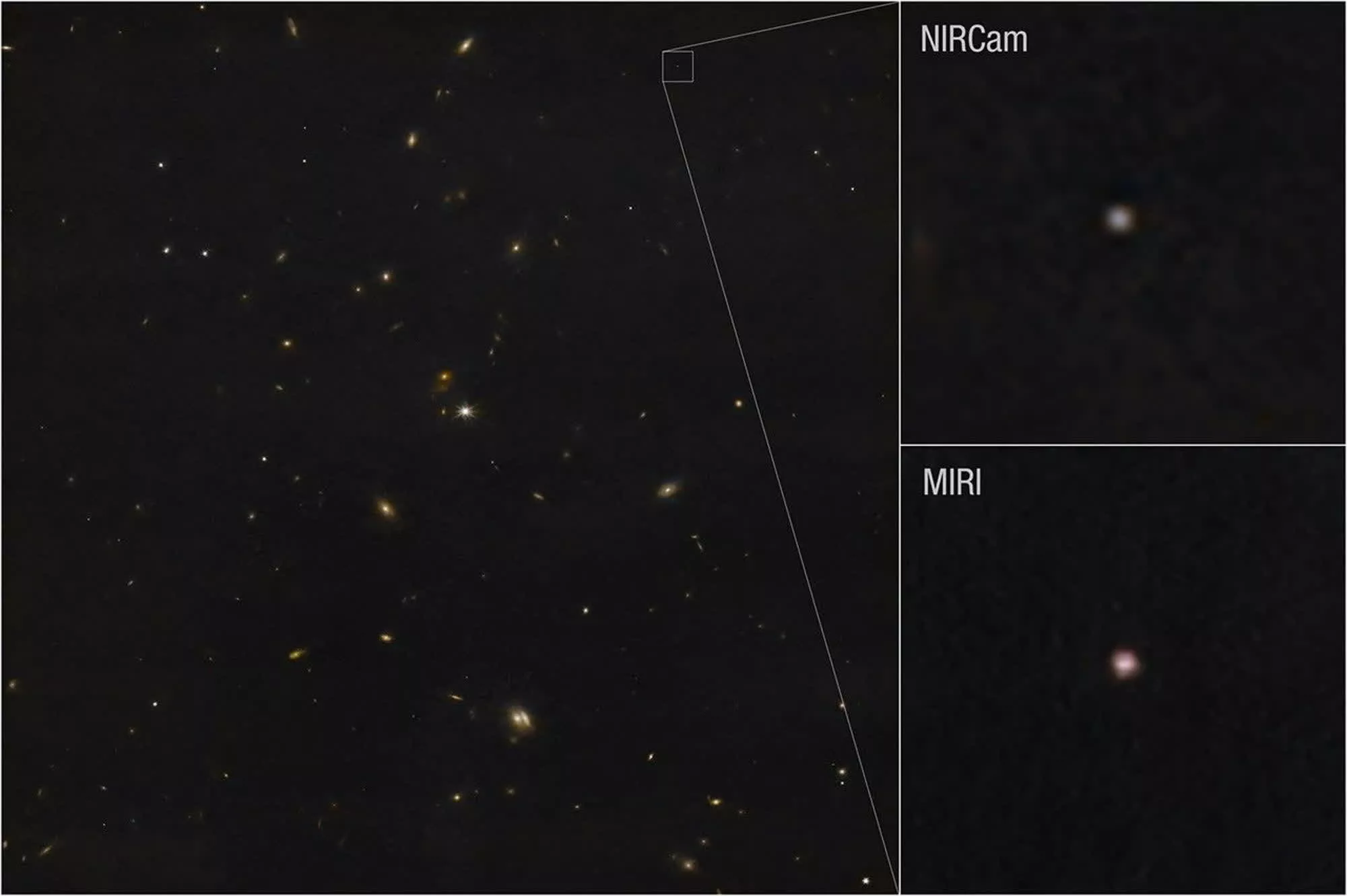
According to a new study awaiting peer review, theoretical missions could be launched at different times over the coming years. Asteroid 2024 YR4 is expected to require more planning and resources than the DART mission, which successfully altered an asteroid's orbit for the first time in history.
A DART-like deflection mission for 2024 YR4 was considered, the scientists said, but ultimately deemed impractical. Adjusting the asteroid's orbit alone would likely be insufficient, as its exact size and mass remain uncertain. Instead, a proposal involving nuclear explosive devices is now being seriously evaluated.
The researchers are proposing to launch two nuclear devices, with each "shipment" comprising a 100-kiloton bomb. Each bomb would be five to eight times more powerful than the US bombs that destroyed Hiroshima and Nagasaki during World War II. Two bombs would be used to hedge against the possibility that the first device malfunctions or fails to achieve its objective.
The scientists caution that these mission concepts are being studied while the probability of impact remains at four percent. The next launch window for the nuclear option is expected between 2029 and 2031, although plans could change significantly over the coming years.