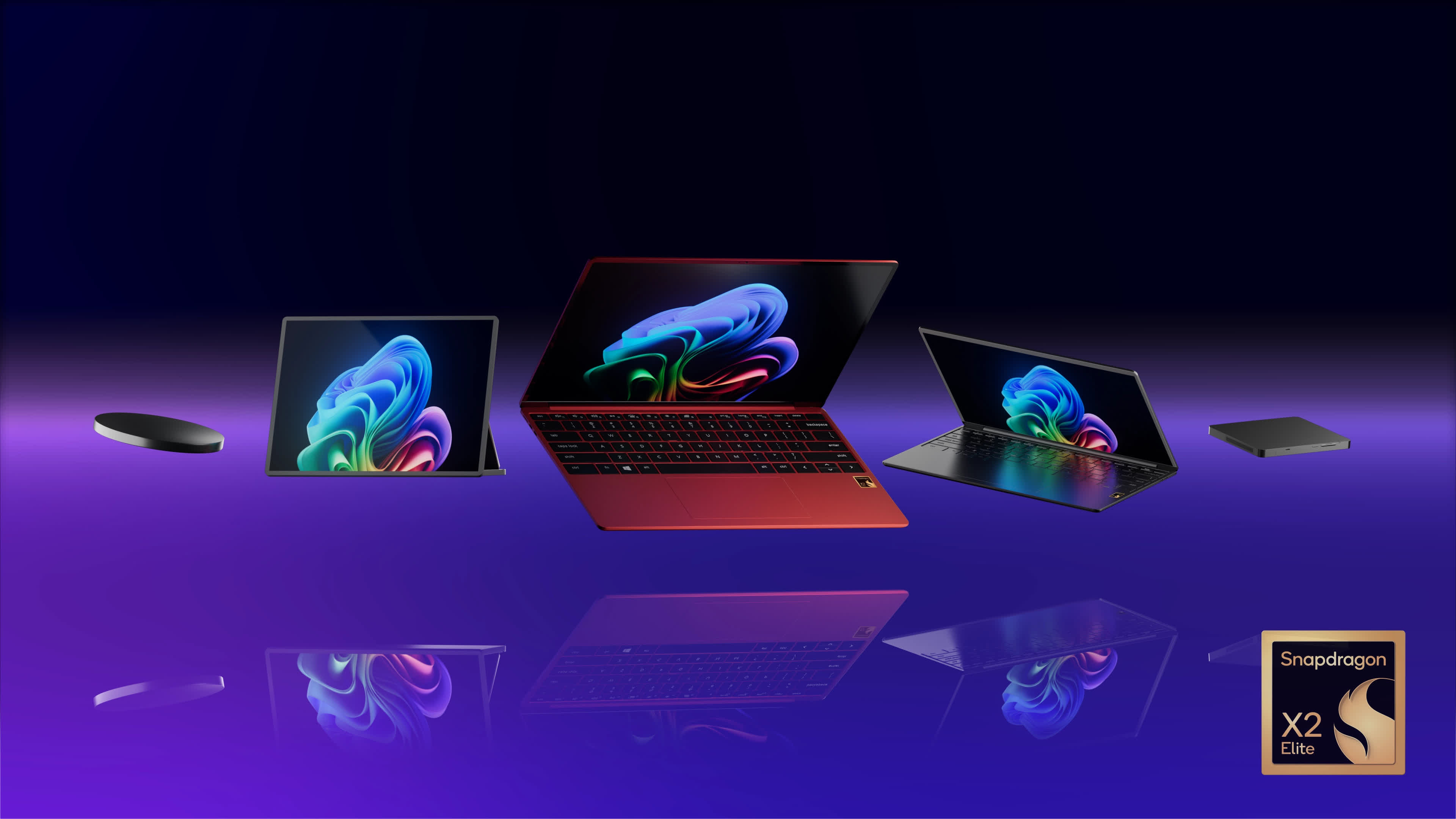
Looking ahead: The industry may never embrace PCs shaped like drink coasters or modular monitor bases. However, if even part of these concepts reaches market, Qualcomm's push to expand Snapdragon computing beyond tablets and notebooks could redefine what a desktop looks like.
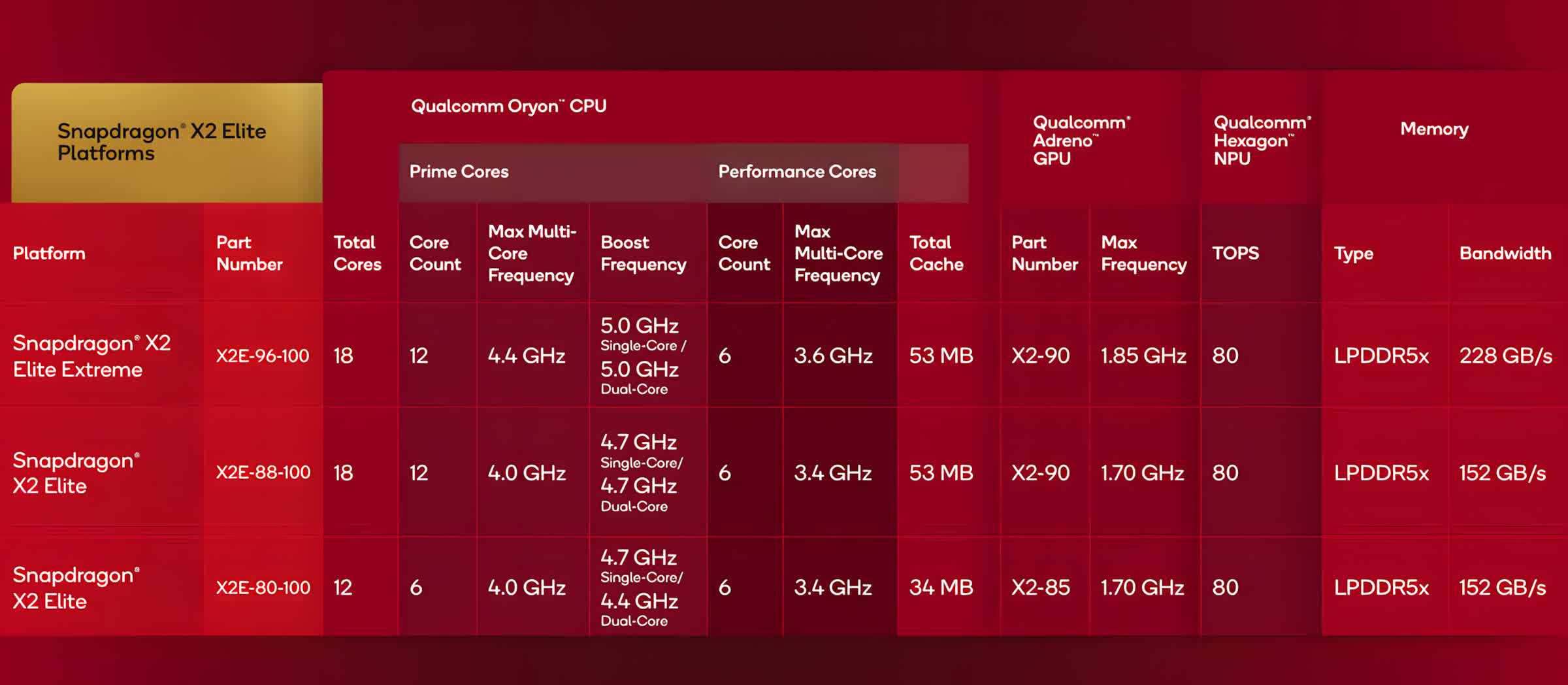
At Snapdragon Summit 2025, Qualcomm highlighted the performance of its new Snapdragon X2 Elite and Elite Extreme processors. Alongside laptops and detachable tablets, the company unveiled two small-form-factor desktop concepts that pushed PC design boundaries. One was a disc-like mini desktop, and the other a modular all-in-one, with the computer designed to slot into a compatible monitor base.
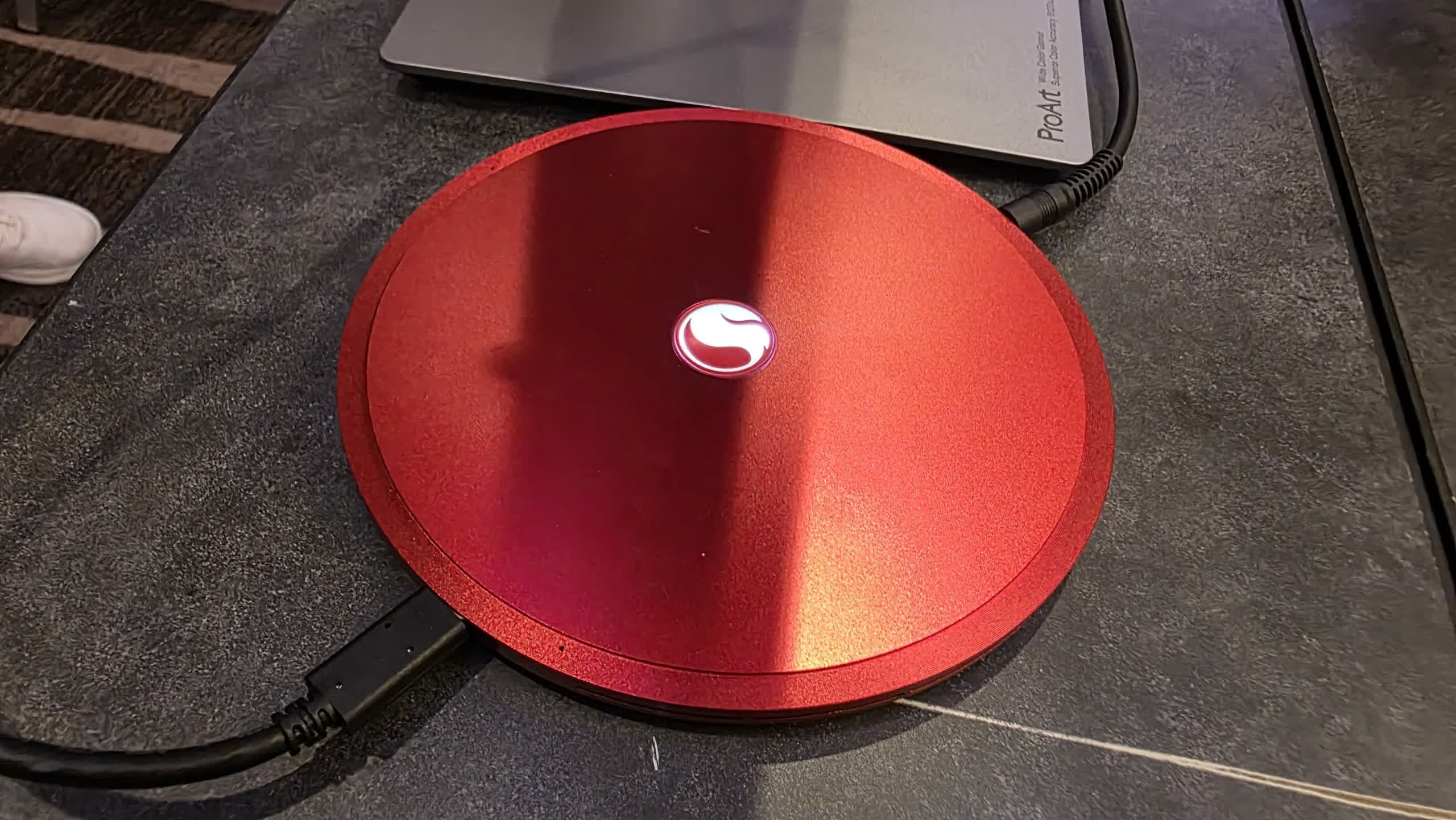
Image credit: Tom's Hardware
The first prototype resembled a small coffee warmer more than a traditional desktop. Measuring less than half an inch thick and just slightly larger than a teacup saucer, its rounded edges gave it a minimalist look. Qualcomm paired the unit with a Snapdragon X2 Elite processor, showing it could drive a full-size display over USB-C/DisplayPort Alt Mode – an impressive feat for such a compact enclosure.
The device featured several USB-C ports, one for connecting to its power supply. It also had a 3.5mm headphone jack. A circular vent around the underside echoed the design of Apple's Mac Mini. The unconventional layout raised an obvious question: how could a computer with so little vertical clearance dissipate heat effectively?
The cooling solution is a Frore Systems AirJet module. Unlike a traditional fan, AirJet uses thermoelectric materials that vibrate microscopically to create air pulses, transferring heat through heat sinks without turbines or bearings. The main advantage is thickness: AirJet units are compact enough to keep ultrathin designs functional while remaining silent and free of parts that could wear out.
AirJet has already appeared in other Qualcomm-related products, including AT&T's Sonom Megaconnect Wi-Fi hotspot for first responders. Qualcomm stressed that AirJet is just one option for original equipment manufacturers. Depending on design needs, Snapdragon-based systems could use low-profile fans or run fanless, with thermal design power scaled to performance targets.
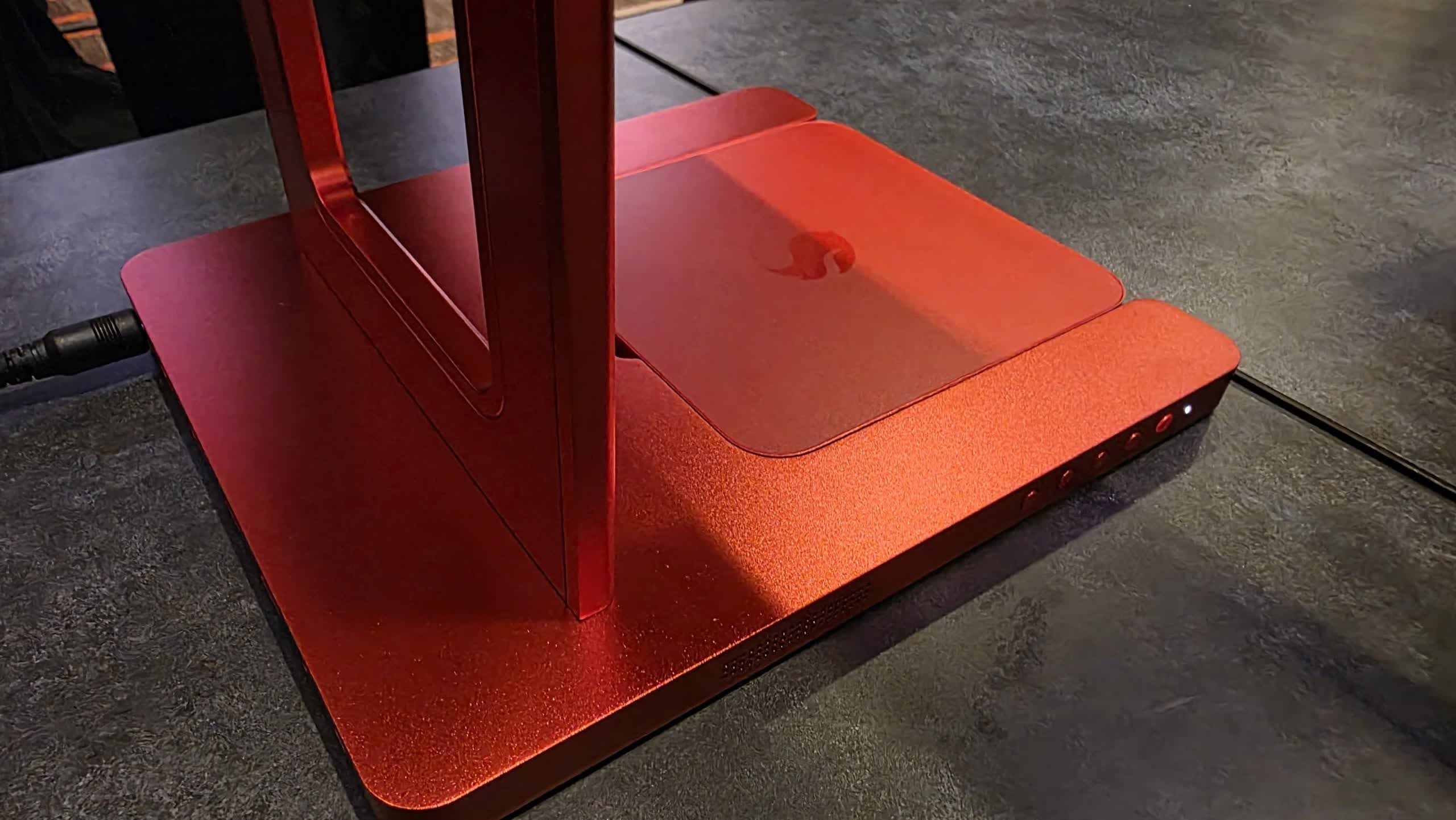
Image credit: Tom's Hardware
The second conceptual design was a modular take on the all-in-one form factor. The prototype featured a full-sized display with a docking station in the base for the PC. The module is about half an inch thick and roughly the size of a CD jewel case. The unit clicks securely into place, slotting into the monitor's input port, creating a streamlined appearance.
Users can detach and replace the module without disturbing the monitor, a feature long sought in all-in-one machines, where upgrades are generally limited or impossible. Previous modular desktops, such as Lenovo's Tiny-in-One and Dell's attachable OptiPlex units, typically mounted small form factor PCs behind the monitor. Qualcomm's reference design showcased a sleeker integration, aligning more naturally with all-in-one aesthetics.
While eye-catching on stage, the future of these experimental desktops remains uncertain. Reference designs often serve more as engineering demonstrations than retail-ready systems. Qualcomm confirmed that three Taiwan-based OEMs are developing X2 Elite reference models, suggesting that some variation of these concepts could eventually reach the market.