The big picture: Consumer electronics companies have only recently begun rolling out Wi-Fi 7 devices, but router manufacturers are already testing Wi-Fi 8 hardware. The next-generation standard was detailed earlier this year, though Wi-Fi Alliance certification and final workgroup approval are not expected until 2028.
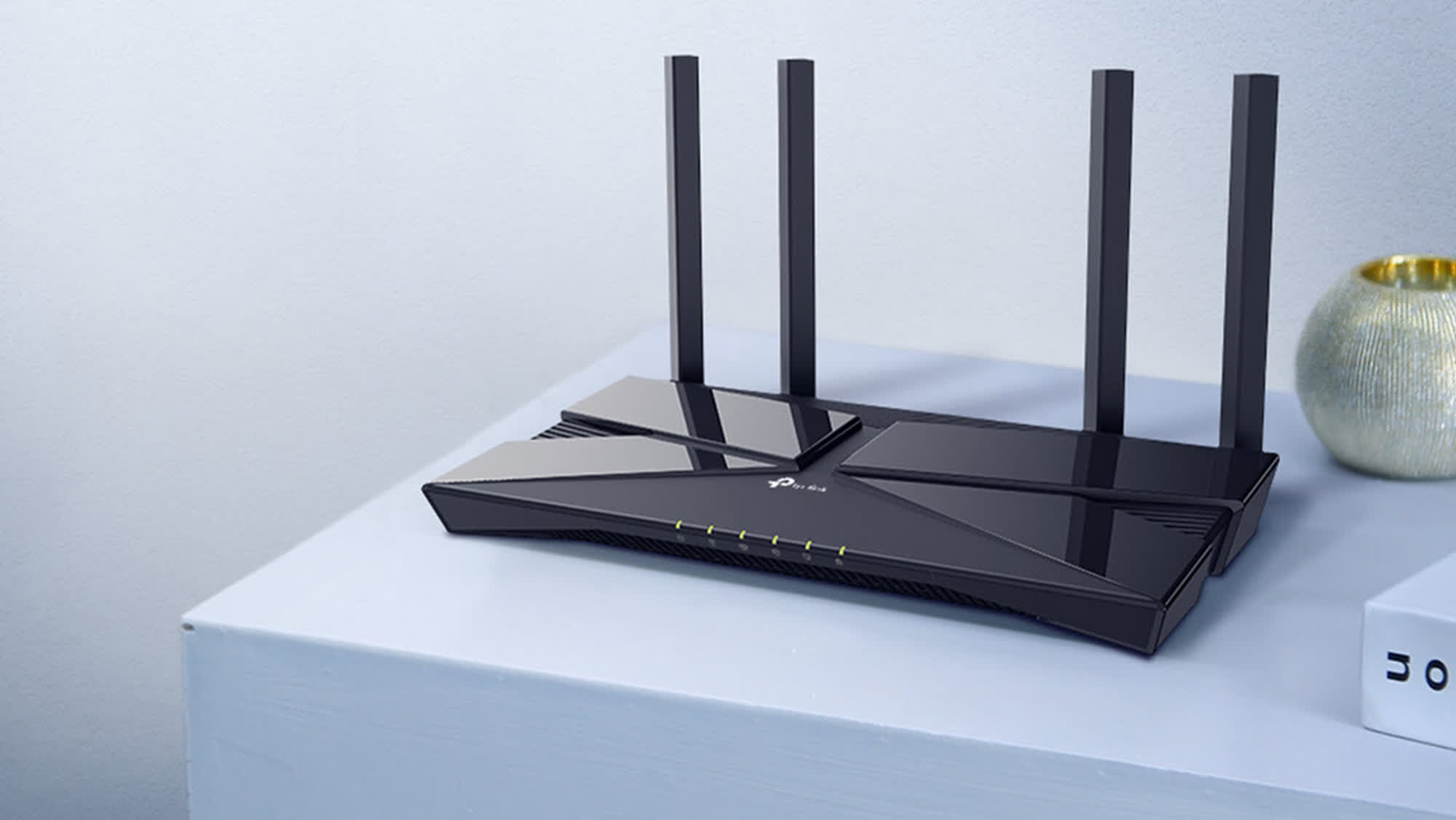
Chinese tech firm TP-Link has announced its first successful Wi-Fi 8 trial using a prototype device. According to the company, the trial – conducted in collaboration with an unnamed partner – successfully validated both the Wi-Fi 8 beacon and data throughput, marking a "critical milestone in Wi-Fi 8 development."
TP-Link added that it is working with multiple "ecosystem partners" to help shape the next-generation wireless technology, which it believes will deliver improved bandwidth, reliability, speed, stability, and efficiency as more devices connect to the internet and applications become increasingly bandwidth-intensive.
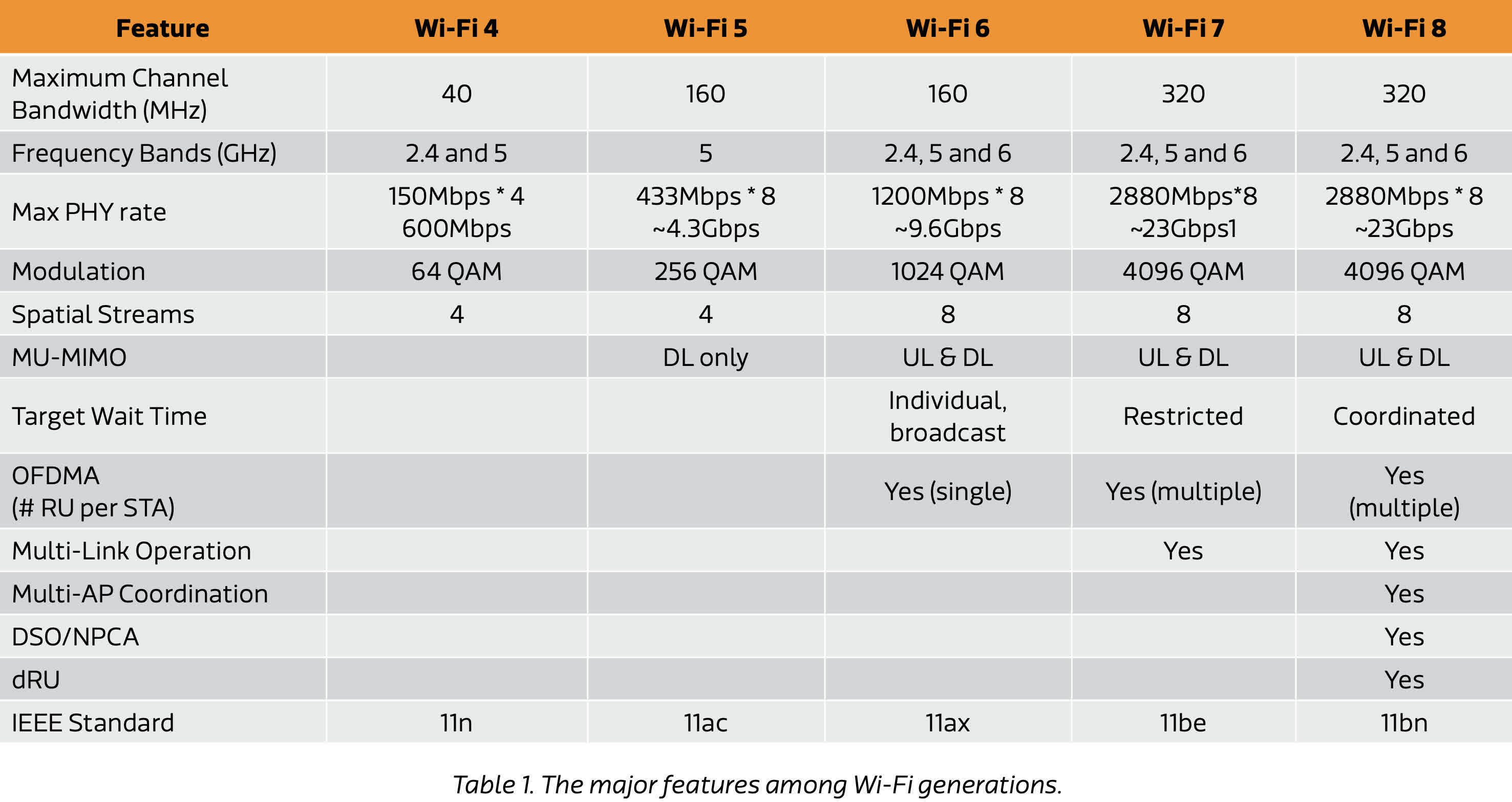
Wi-Fi 8 (802.11bn) is unlikely to be the most exciting update to the Wi-Fi standard, as it will not bring a massive improvement over Wi-Fi 7 in terms of speed, QAM, or bandwidth. According to initial specifications, Wi-Fi 8 will use the same 2.4 GHz, 5 GHz, and 6 GHz bands as Wi-Fi 7, and will retain its predecessor's 48 Gbps data rate, 4096 QAM, and 320 MHz maximum channel bandwidth.
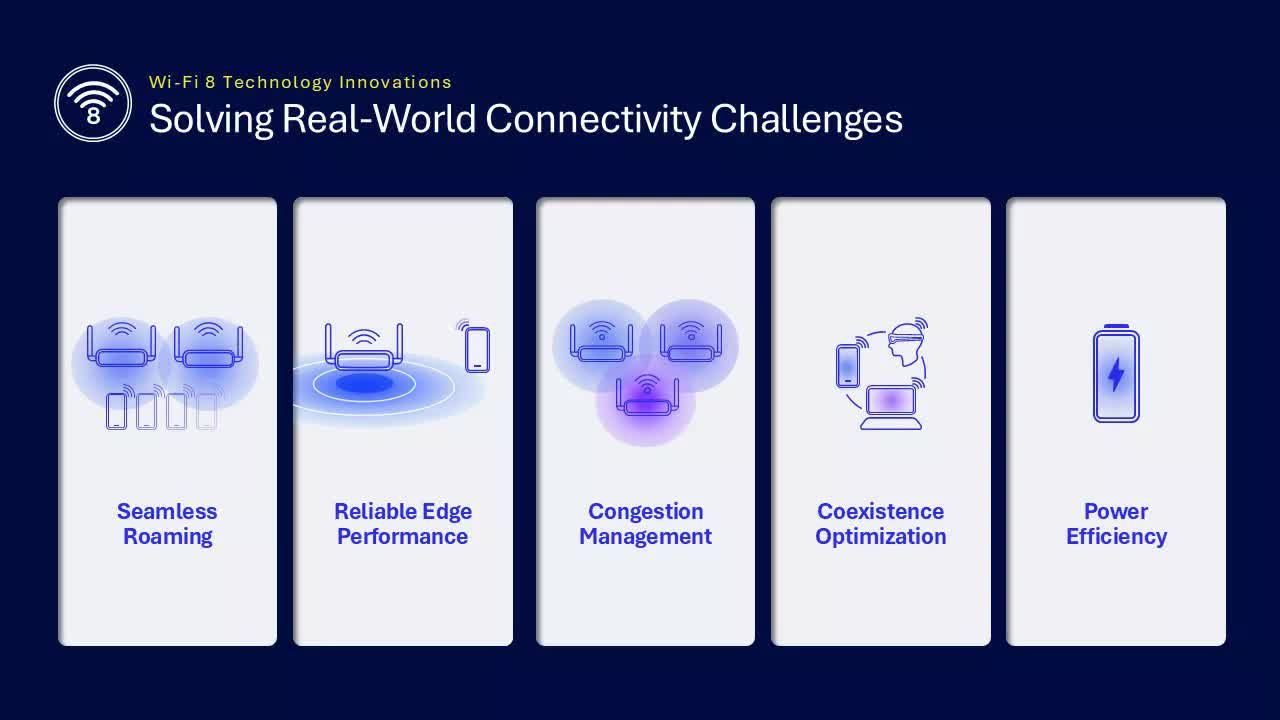
However, Wi-Fi 8 is expected to be significantly more reliable than Wi-Fi 7, thanks to the IEEE's "Ultra High Reliability" initiative. According to Qualcomm's white paper, UHR is designed to lower latency by up to 25 percent at the 95th percentile and reduce packet loss by 25 percent, particularly in environments that require mobility such as campuses, public venues, and factory floors.
While the lower latency will likely boost performance in time-sensitive applications such as gaming, augmented reality, industrial automation, and specialized AI workloads, the reduction in packet loss should enable seamless roaming and uninterrupted connectivity. This makes Wi-Fi 8 more reliable than older standards when moving between multiple access points.
Despite the attention surrounding Wi-Fi 8, it is not expected to be ratified anytime soon. While some draft specifications could be released in 2027, the official Wi-Fi 8 standard is projected to be finalized only in mid-2028. Commercial products that officially support the new standard are not expected to reach the market until late 2028 at the earliest.