Forward-looking: TP-Link has taken a break from trying to convince the government it is a US company by announcing its Wi-Fi 8 product roadmap. Its first Wi-Fi 8 router, the Archer 8, has a target release date of October 8, 2026, despite the latest standard not being expected to be finalized until March 2028.
TP-Link has been laying the groundwork for this announcement since last year, when it said it had completed successful Wi-Fi 8 trials using a prototype device. That test, conducted with an unnamed partner, validated both the Wi-Fi 8 beacon and data throughput, which the company described at the time as a key milestone in the standard's development.
Also read: After Wi-Fi 7's Speed Push, Wi-Fi 8 Is Turning to Reliability
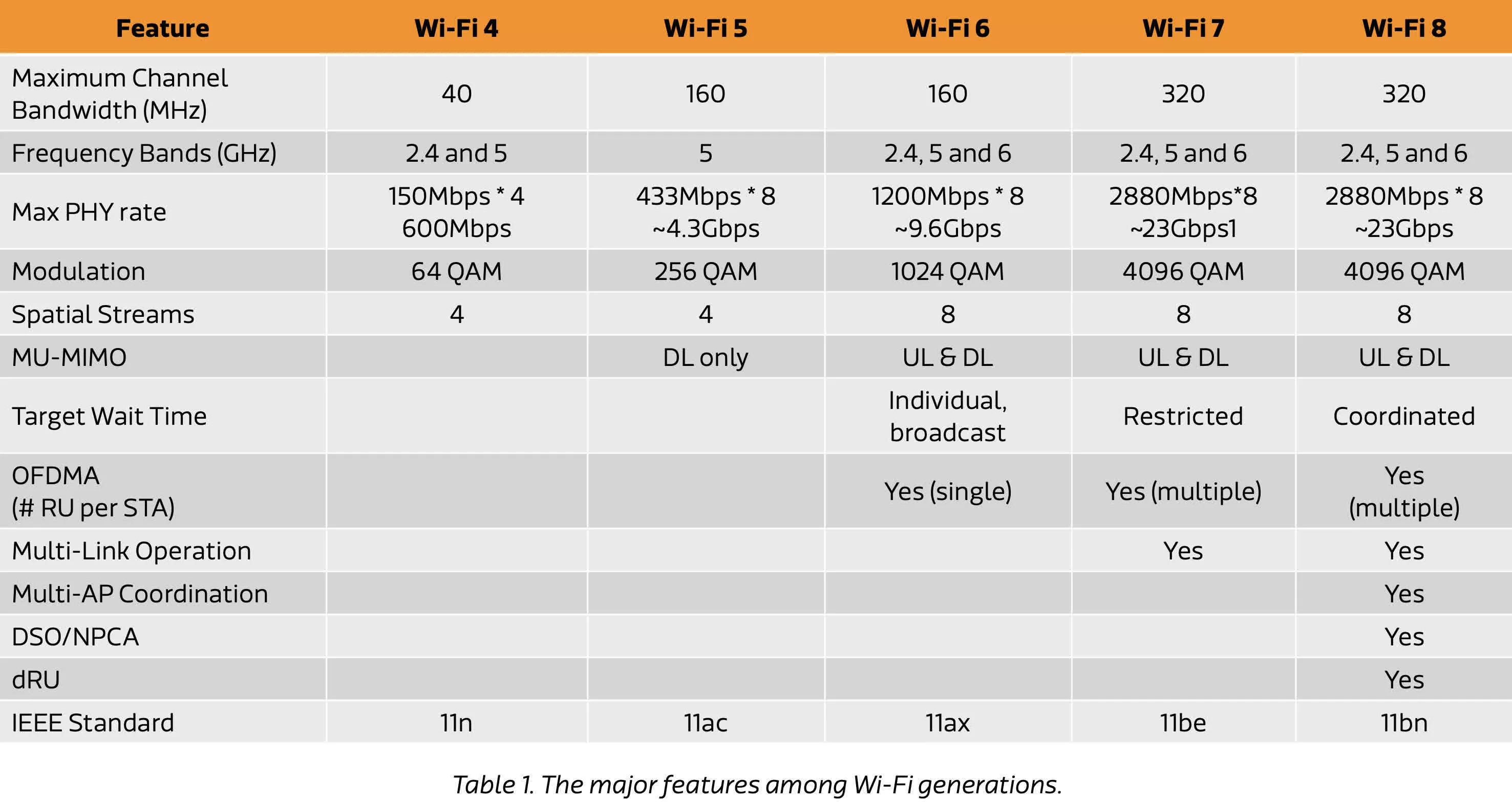
The Archer 8 is not being pitched as another simple speed upgrade. Early Wi-Fi 8 specifications retain the same 2.4GHz, 5GHz, and 6GHz bands as Wi-Fi 7, along with a 48Gbps theoretical data rate, 4096-QAM, and 320MHz maximum channel bandwidth. Instead, TP-Link is emphasizing Wi-Fi 8's Ultra High Reliability focus: lower latency, fewer dead spots, stronger mesh roaming, reduced packet loss, and better performance in homes crowded with phones, laptops, TVs, consoles, smart speakers, cameras, thermostats, and everything else fighting for wireless airtime.
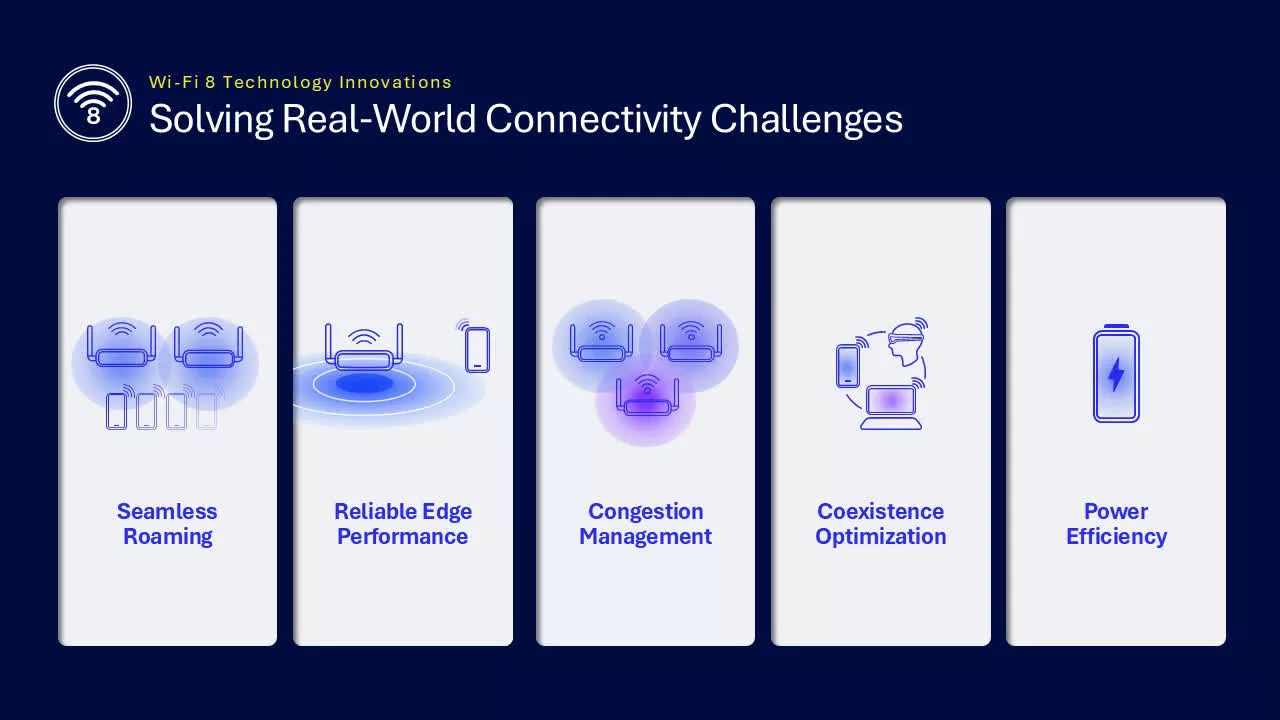
According to TP-Link's internal testing, its early Wi-Fi 8 implementation delivers up to 33% higher real-world throughput than comparable Wi-Fi 7 hardware. The company also claims up to 24% higher throughput from unequal modulation technologies, up to a 15% improvement between multiple access points under heavy interference, and up to 30% better signal performance in multi-floor environments. Multi-device environments are said to see a 10% to 20% improvement.
Those are company-provided figures, so they should be taken with a grain of salt until independent testing begins.
The Archer 8 is only the first step in TP-Link's roadmap. The Deco 8 Wi-Fi 8 mesh system will follow in Q1 2027, covering January through March. The Roam 8 Wi-Fi 8 travel router is scheduled for Q2 2027, alongside Wi-Fi 8 range extenders and adapters. Pricing and final specifications have not been announced, and TP-Link says regional availability will vary by market.
Awkwardly, TP-Link still needs to know whether it can sell any of this in the US. The company has been seeking an exemption from the FCC's foreign-made router ban, arguing that TP-Link Systems Inc. is based in Irvine, California, and should be treated as a US company rather than a Chinese one. But the FCC is not fully convinced.
TP-Link was founded in Shenzhen, and US authorities have spent more than a year scrutinizing the company's ties to China over national security concerns. Netgear, Amazon/Eero, and Adtran have already secured conditional approval to keep bringing new routers to the US market, but TP-Link has yet to receive the same approval.