
The takeaway: The case resulted in a partial but significant reduction of the bill, yet it also raises broader questions about the accessibility of billing information and the role of emerging technology in reviewing it. Tools like Claude could empower more patients to question and verify whether medical invoices reflect legitimate procedures and charges.
A grieving relative who faced a six-figure hospital bill following a family member's death was able to reduce the charges dramatically, attributing their success to detailed analysis and support from an artificial intelligence tool.
The individual, who posts on Threads under the name nthmonkey, said the medical center initially billed $195,000 for four hours of intensive care provided after their brother-in-law suffered a fatal heart attack. With no active insurance at the time of admission, the hospital's invoice left the family owing nearly the entire balance. Through persistent review of itemized charges – and help from the AI platform Claude – the final payment was reduced to approximately $33,000.
Hospital statements showed large, consolidated categories of charges labeled only with brief department names and broad descriptions. One such entry, listed simply as "Cardiology," totaled about $70,000. When the family requested more details, the hospital cited an internal systems upgrade for delays in providing line-by-line explanations.
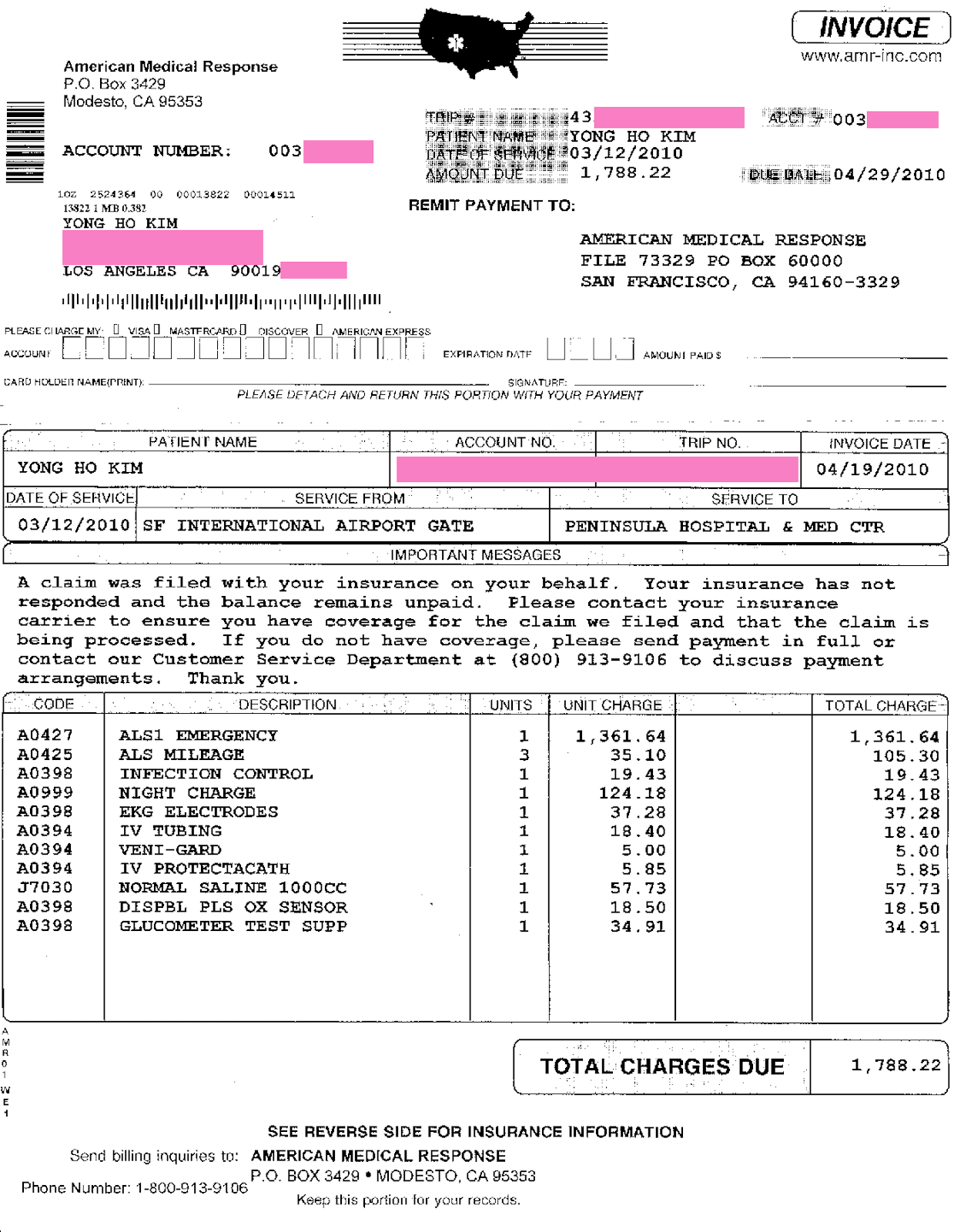
After repeated inquiries, administrators eventually supplied an itemized breakdown using standard billing codes. Those records formed the basis of the patient advocate's next step: using the Claude AI assistant to interpret the complex code system and evaluate whether the charges complied with common billing standards and Medicare guidelines.
By cross-referencing procedure codes, the AI tool detected that several master-level charges had also been itemized separately for their component services, effectively duplicating portions of the bill. According to the analysis, those layered charges accounted for roughly half of the original total. The hospital was also found to have misclassified certain services as inpatient rather than emergency-based, a difference that can significantly affect reimbursement eligibility.
Another irregularity involved ventilator services billed on the same day as the emergency admission – an overlap that some regulators consider out of compliance with federal billing rules. The compiled evidence was organized into a clear summary, which supported the family's formal appeal to the hospital's billing department. Or as nthmonkey put it: "We told the hospital they had billed an unconscionable amount."
Over a series of exchanges, staff reversed multiple disputed line items and reclassified several procedures. When the revisions were complete, the total balance stood at about $33,000 – an amount the patient's relative accepted as a reasonable resolution compared to the initial $195,000 demand.
The user credited the AI program not only for identifying problems within the bill but also for drafting professional correspondence that cited regulatory standards and potential legal remedies. They said those letters helped facilitate productive negotiations that brought transparency to a process typically opaque to individuals facing medical debt.
"My $20/month subscription to Claude more than paid for itself," nthmonkey said.