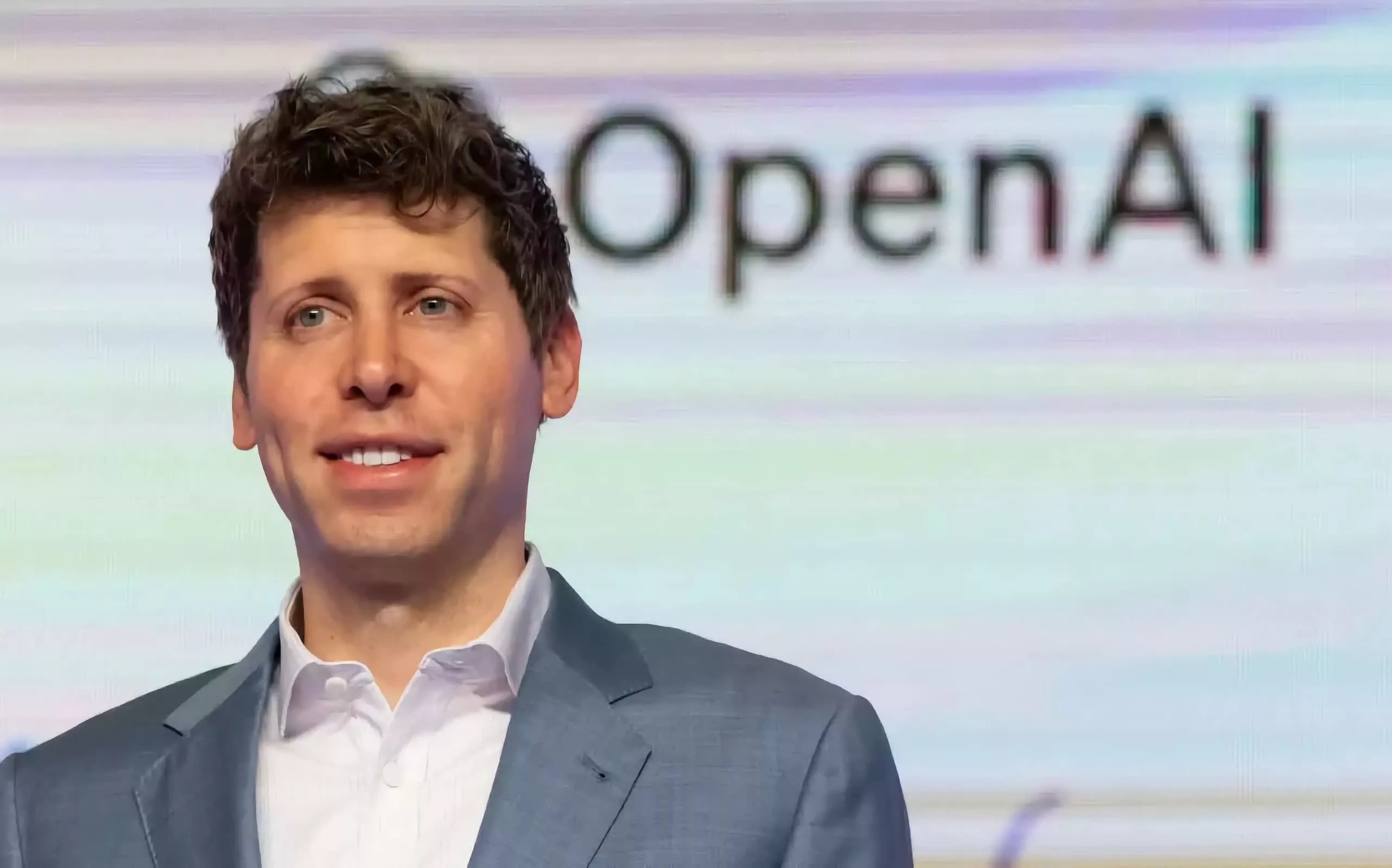
Cutting corners: For OpenAI, a public listing would not only provide an avenue for large-scale fundraising but also allow the company to use its stock to finance acquisitions and expand its infrastructure. While no timetable has been finalized, people close to the discussions said internal teams have begun coordinating with financial advisers as they assess potential market conditions for what could become one of the largest public offerings in corporate history.
OpenAI is preparing for a potential initial public offering that could rank among the largest ever, with internal discussions valuing the artificial intelligence company as high as $1 trillion, three people familiar with the matter told Reuters.
Led by Chief Executive Sam Altman, the company has begun preliminary work on a filing that could occur as soon as the second half of 2026, sources have shared. OpenAI is considering raising at least $60 billion at the lower end of the range, though the final figures and timing remain uncertain. The sources, who requested anonymity because the talks are private, added that plans could shift depending on market conditions and the company's growth trajectory.
CFO Sarah Friar has privately told some associates that a 2027 listing target is under consideration, although advisers close to the process told Reuters the offering could happen sooner. In a statement to Reuters, an OpenAI spokesperson said, "An IPO is not our focus, so we could not possibly have set a date. We are building a durable business and advancing our mission so everyone benefits from AGI."

The supposed preparations follow OpenAI's completion of a major corporate restructuring that reshaped its financial and governance model and loosened its ties to Microsoft.
The new structure, announced earlier this week, consolidated OpenAI's business operations under a parent entity called OpenAI Group. A nonprofit organization, now renamed the OpenAI Foundation, retains a 26% stake, along with a warrant that could further expand its ownership if certain performance milestones are met.
Microsoft, which has invested roughly $13 billion in OpenAI, now holds about a 27% stake. Other major backers include SoftBank, Thrive Capital, and Abu Dhabi's MGX. A successful market debut could significantly increase the value of those holdings, potentially generating one of the largest windfalls in technology-sector history.
OpenAI has experienced rapid revenue growth over the past year, with annualized revenue expected to reach roughly $20 billion by the end of 2025, sources told Reuters.

Despite its strong top-line performance, the company remains unprofitable due to rising spending on research, data centers, and computing hardware. Altman has outlined plans to invest trillions of dollars in global AI infrastructure, a scale of expenditure that would almost certainly require access to public capital markets.
Speaking during a livestream on Tuesday, Altman acknowledged that a public listing may be the company's most viable route to meet its capital needs. "I think it's fair to say it is the most likely path for us, given the capital needs that we'll have," he said.
An IPO would mark another turning point for a company that started in 2015 as a nonprofit research lab and later evolved into one of the world's most influential AI developers. Its most widely used product, ChatGPT, has fueled an industrywide surge in generative AI, contributing to record valuations across the sector.
AI stocks have dominated markets in 2025. CoreWeave, a cloud computing provider for AI workloads, went public earlier this year at a $23 billion valuation, and its shares have since tripled. Meanwhile, Nvidia this week became the first company to surpass a $5 trillion market capitalization, cementing its position at the center of the AI boom.