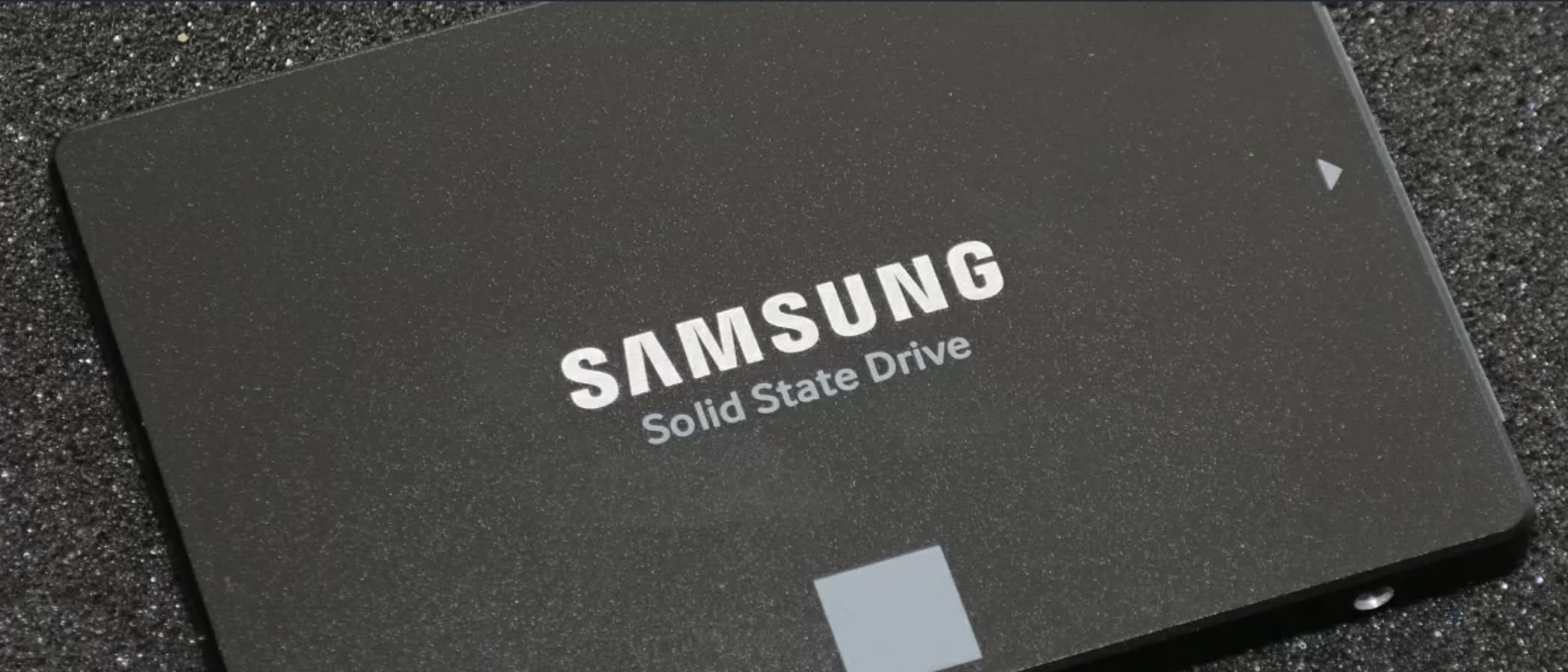
In context: Samsung has denied reports suggesting it plans to phase out production of consumer SATA SSDs, pushing back against claims in the hardware community. The clarification follows a flurry of speculation originating from the YouTube channel Moore's Law Is Dead, which claimed Samsung was preparing to wind down its SATA SSD business due to tightening NAND flash supply.
The controversy comes amid escalating demand for semiconductor memory driven by the growth of artificial intelligence infrastructure. Much of the industry's available NAND flash, once destined for consumer hardware such as SSDs, is now being redirected toward hyperscalers and AI labs. That shift has created one of the most constrained storage environments in years, with major component suppliers reallocating production and inventories.
According to Moore's Law Is Dead (MLID), multiple distribution and retail sources indicated that Samsung was planning to halt SATA III SSD production permanently. The outlet suggested that the company's newer NAND facilities – particularly in Pyeongtaek and Hwaseong – were being retooled for DRAM production.
Those facilities include the upcoming Pyeongtaek Fab 4, expected to manufacture memory chips on Samsung's advanced 1c process node, with a focus exclusively on DRAM. The move, if true, would mark a notable shift for a company long regarded as one of the world's leading suppliers of both NAND and DRAM technologies.
Samsung's denial casts doubt on the notion of an imminent exit from SATA SSDs, but the broader pressures on the storage market remain very much real. A persistent shortage of NAND flash has driven dramatic price increases, with reports noting that the cost of a 1-terabit TLC NAND chip jumped from $4.80 in July 2025 to $10.70 by November – more than doubling in under six months. Prices for MLC and QLC NAND have followed similar trajectories, creating a ripple effect across manufacturers and resellers.
The shortage has already disrupted supply chains for several brands. Transcend, for example, has reportedly not received a NAND flash shipment since October. It expects relief only after another three to five months of constrained availability.
Those interruptions highlight just how steep the demand for AI applications has become, siphoning resources from consumer segments like PC storage and general-purpose DRAM even as global inventories continue to shrink.
While interest in SATA-based drives among enthusiasts has declined in recent years, the format still accounts for a meaningful portion of SSD sales in the mainstream market. Data cited by MLID suggests that around one-fifth of Amazon's best-selling SSDs remain SATA models, with Samsung's 870 EVO among the most prominent.

Pulling that supply out of circulation, the channel warned, could elevate prices across the entire SSD landscape, including NVMe-based products that rely on the same NAND components.
Industry analysts have also predicted that this imbalance may persist for years. As AI infrastructure expands, hyperscale data centers continue absorbing the lion's share of both NAND and DRAM output.
Some forecasts suggest production will not fully rebalance toward consumer demand until the next hardware cycle – likely around 2027 – when local AI workloads and new console generations renew demand for high-speed flash storage.
For now, Samsung remains a cornerstone of the consumer SSD market, and its denial offers short-term reassurance to system builders and PC upgraders. Yet even if SATA drives stay in production, the pressure from AI-driven component demand continues to reshape priorities within the world's largest memory suppliers.