
What just happened? When engineers at the Technion-Israel Institute of Technology and MIT began experimenting with cellular materials that could sense and respond to chemical signals inside the body, their long-term vision was to build living devices capable of performing the work of organs. That concept has now advanced with a new type of implant that acts as an autonomous artificial pancreas. It regulates blood sugar continuously without external pumps or injections, making it a potentially life-changing device for people living with diabetes.
Developed under the direction of Assistant Professor Shady Farah of the Technion's Faculty of Chemical Engineering, and carried out with colleagues from MIT, Harvard University, Johns Hopkins University, and the University of Massachusetts, the work demonstrates a functioning cell-based system that produces and delivers insulin independently.
The findings, published in Science Translational Medicine, show that the implant could potentially replace daily insulin injections or insulin pumps for people with diabetes by operating as a "living drug" – a device that grows, senses, and reacts as a biological system.
The miniature implant contains live insulin-producing cells enclosed by a protective crystalline shield. It is designed to monitor glucose levels in real time and automatically release the appropriate amount of insulin into the bloodstream, mimicking how healthy pancreatic cells work. The device functions entirely without external control systems; instead, its inner cells serve as both sensor and manufacturer.
Such a closed-loop biological mechanism has long been a goal in diabetes research, but until now, autoimmune rejection has stopped most efforts. The body's natural defenses typically attack implanted cells, destroying their ability to function within weeks.
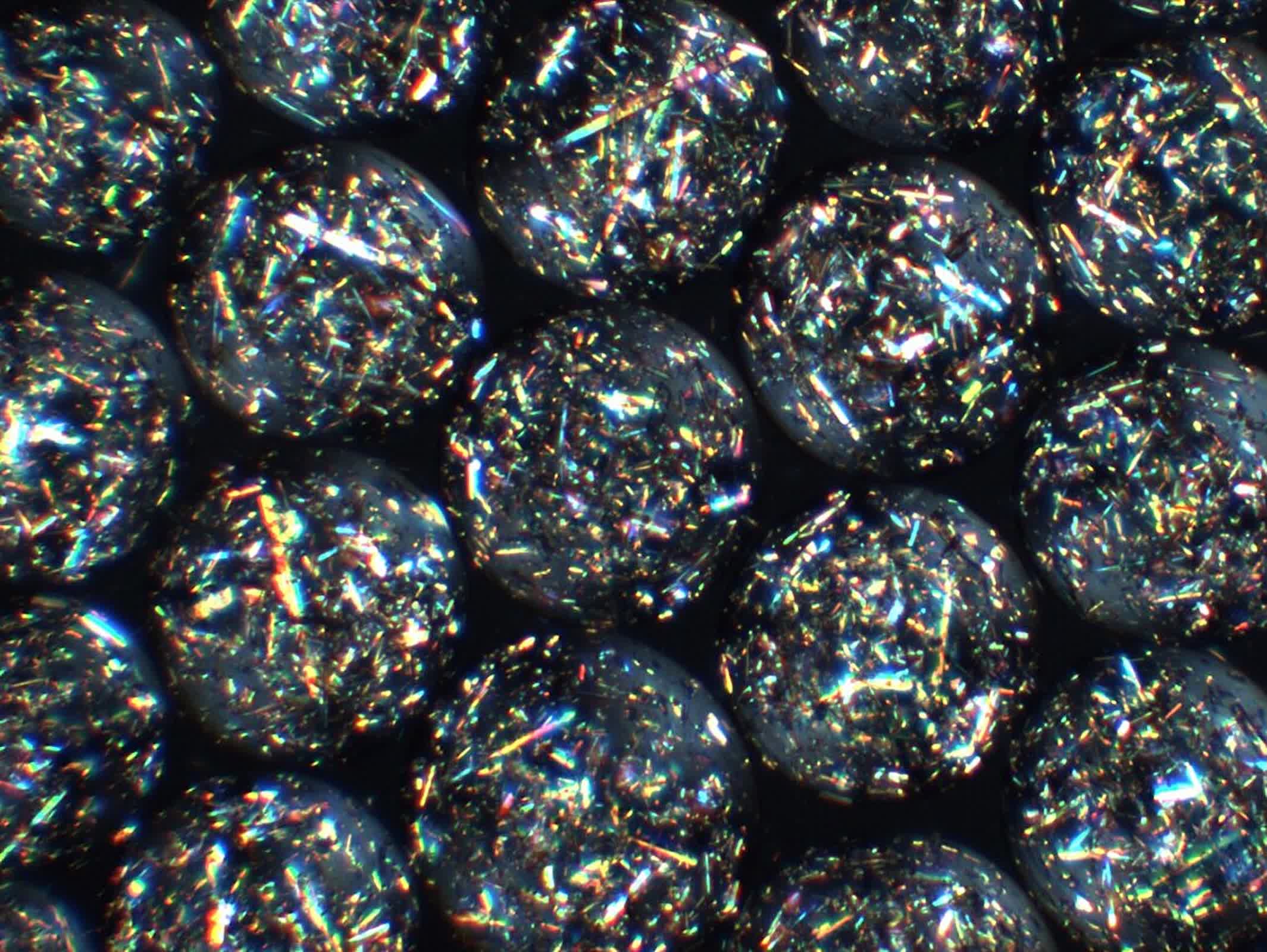
Farah's team tackled that problem through a "crystalline shield" – engineered therapeutic crystals that both house the active cells and protect them from immune surveillance. The lattice structure allows nutrients and oxygen to pass through while concealing the biological material from immune cells.
The concept has been tested across several experimental models. In diabetic mice, the implant maintained stable blood glucose levels for extended periods, while in non-human primates it preserved cell viability and insulin functionality. These dual demonstrations mark one of the first times an autonomously regulated, implantable pancreas has shown consistent performance across species, paving the way for human clinical trials.
Farah began shaping this idea during his postdoctoral fellowship at MIT and Boston Children's Hospital under Professors Daniel Anderson and Robert Langer, whose research has long combined tissue engineering with drug delivery design.
Langer – best known as a co-founder of Moderna – was among the early advocates of integrating synthetic materials and living cells into controllable systems. That mentorship helped the project evolve from a theoretical construct into a practical engineering challenge now being advanced in Farah's laboratory at the Technion with ongoing collaboration from US universities.
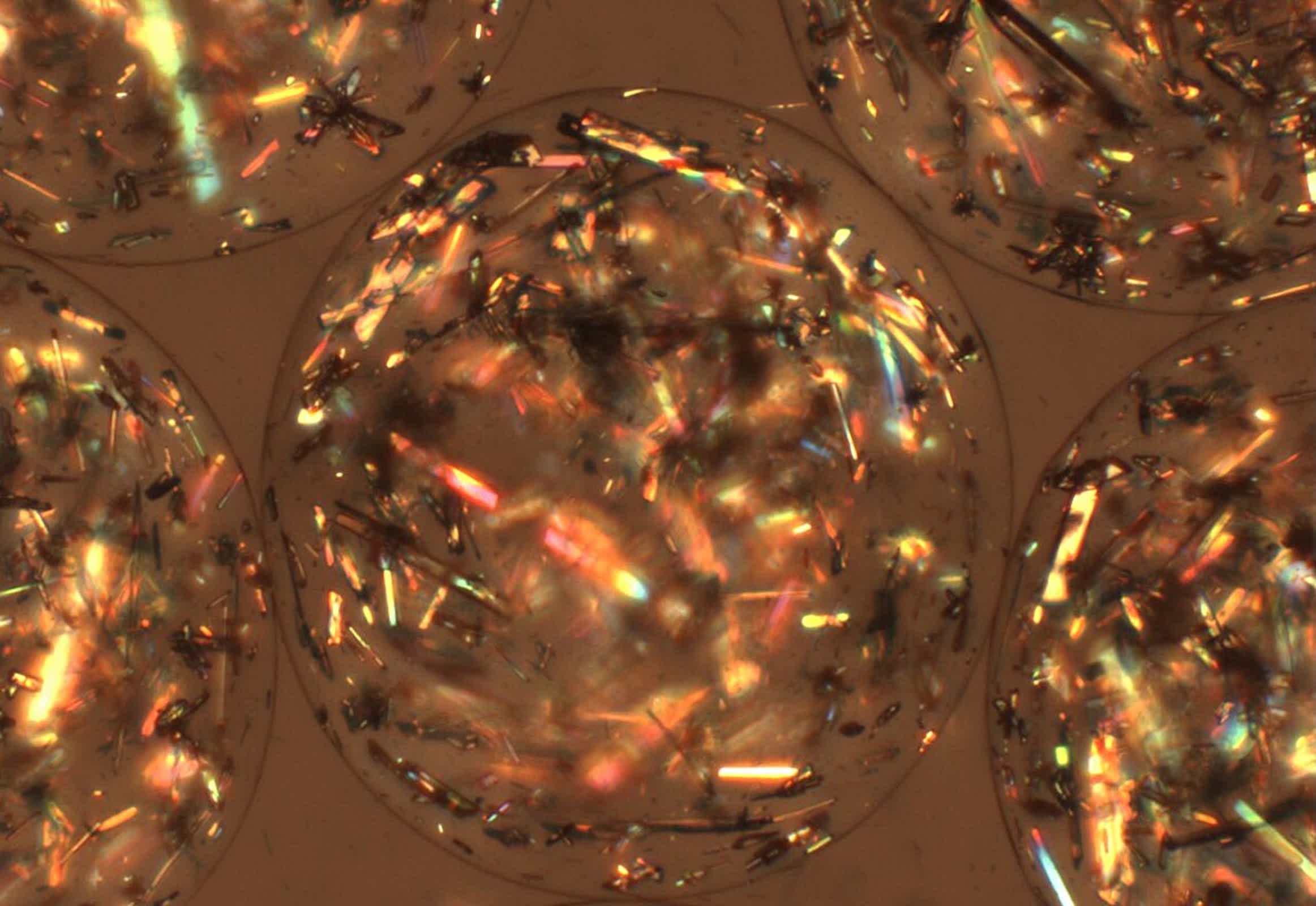
Although the current focus is insulin regulation, the same underlying platform could extend beyond diabetes. The researchers envision adapting the encapsulated cell system to secrete other biologic drugs such as clotting factors for hemophilia or enzyme replacements for metabolic disorders. Because the crystalline shield prevents immune rejection, the approach could eventually support long-term implantation of living drug factories that respond to the body's biochemical cues in real time.