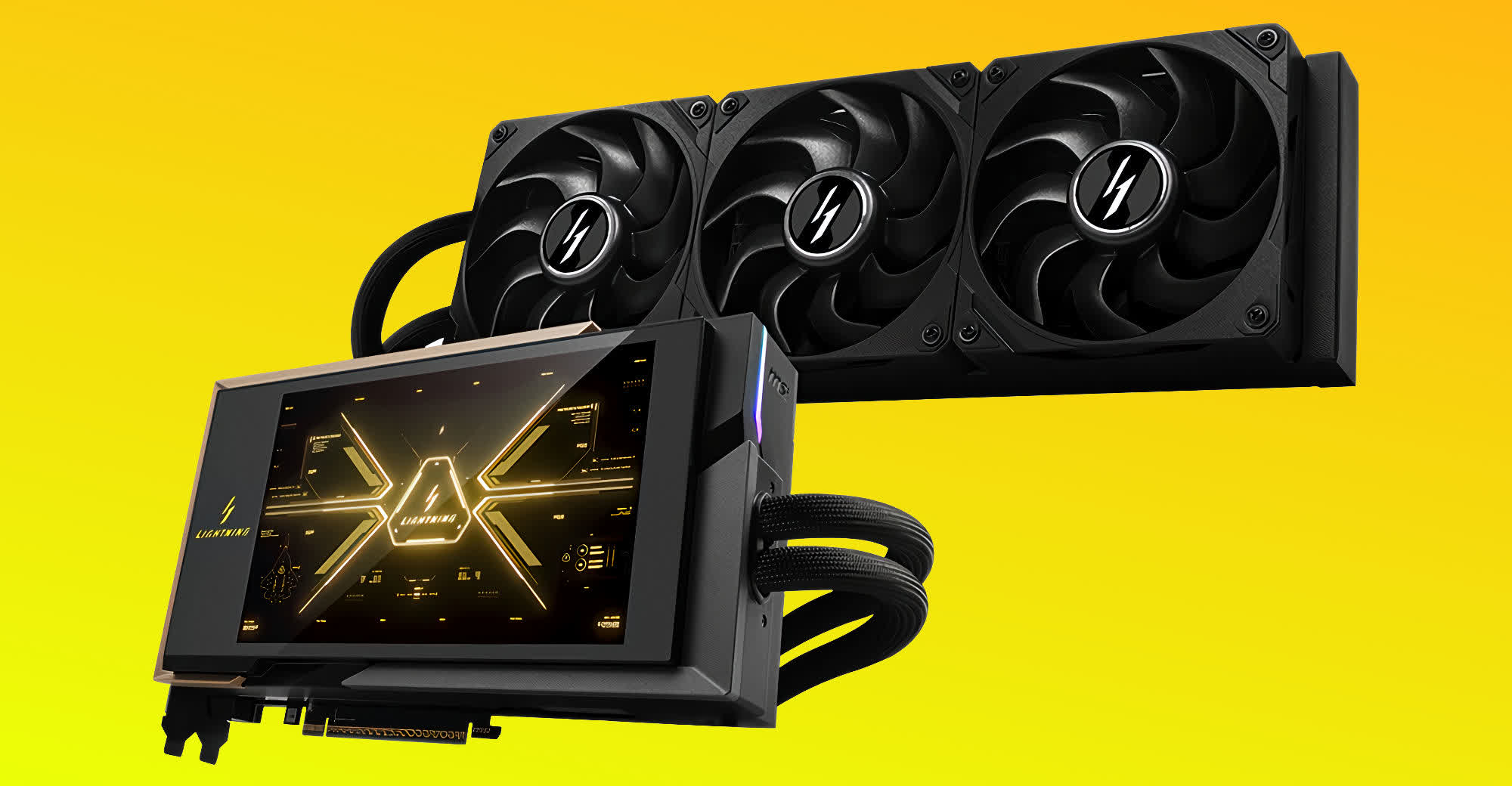
WTF?! Think the memory crisis has pushed graphics card prices too high? Then you might want to avoid the MSI RTX 5090 Lightning Z, a card many say is essentially an RTX 5090 Ti. It costs a comical (and apt) $5,090. It's also a limited edition that's pretty much sold out everywhere, so you'll need to enter a draw for a chance to buy this GPU.
Lightning is MSI's highest-end GPU series, with the Z suffix indicating the top-tier variant of the lineup, aimed at extreme overclockers and enthusiasts.
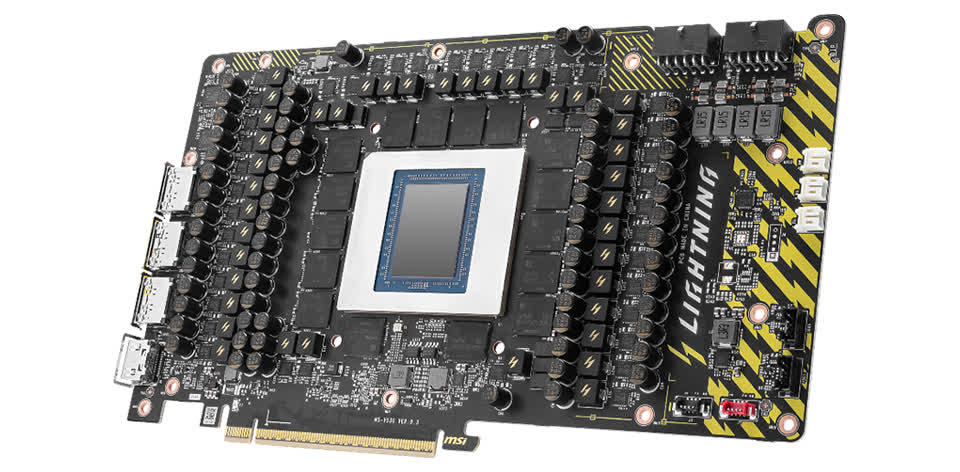
The RTX 5090 32G Lightning Z is the cream of the crop in that respect. Its "WTF" spec list includes two 12V-2x6 power connectors, a 3 oz copper PCB, a 40-phase VRM, and a carbon fibre backplate in the build.
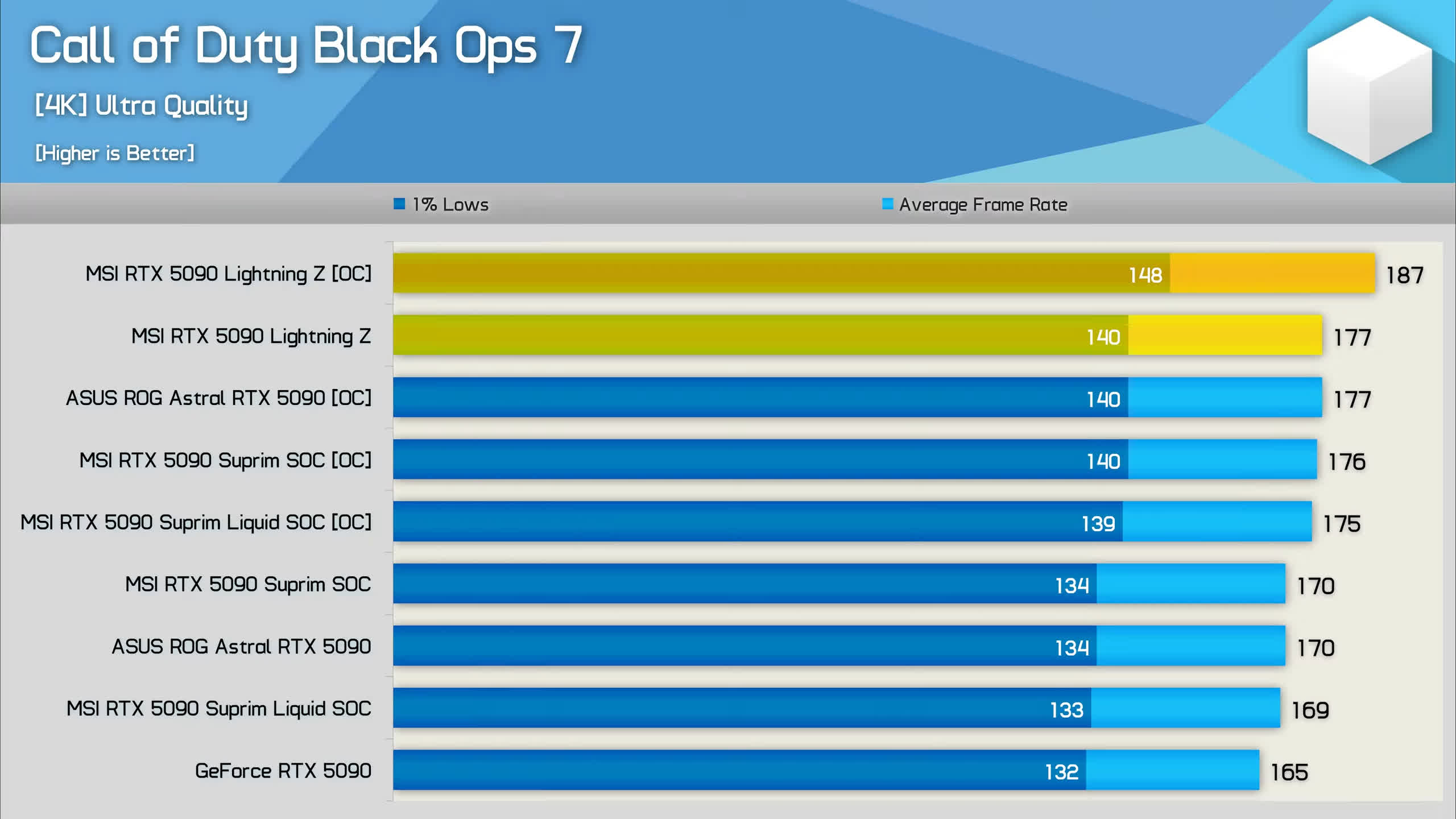
The card also comes with a second "extreme" vBIOS that increases the power limit from the standard "OC" setting's 800W to 1,000W. There's even a 2,500W XOC BIOS that that owners must request from MSI and that voids the warranty when enabled. MSI recommends that users have at least a 1,600W PSU in their systems.
If that's not enough, MSI's monster also features an attached AIO liquid cooler and an 8-inch display panel, though our own Steve Walton wasn't too pleased with it being an LCD rather than OLED and the way it's recognized as a second monitor.
If you happen to be incredibly wealthy and want an RTX 5090 Lightning Z, buying one right now isn't as easy as handing over the $5,090.
The GeForce RTX 5090 LIGHTNING Z has officially hit the shelves⚡️
– MSI Gaming (@msigaming) February 12, 2026
With only 1,300 units available globally, this is the definition of "blink and you'll miss it" 😉
Move fast if you want to be one of the lucky few✨#LightningZ #Unboxing #WorldRecord pic.twitter.com/SwHCWRqEDW
Only 1,300 of these limited-edition units have been made. They're already pretty much sold out, so getting hold of one is going to be even more difficult than usual.
A Taiwan retailer claims that 100 of the cards have been allocated to the country alone. However, MSI has confirmed there is a lottery draw for the opportunity to buy one – a scheme we saw in Japan when the RTX 5080 and RTX 5090 first launched.
The draw is open to residents of the US only. If you are a lucky winner, remember that you can only buy one, so bad luck if you wanted to hand over $50,000+ for ten of these cards. The written version of Steve's HUB review will be on TechSpot soon.