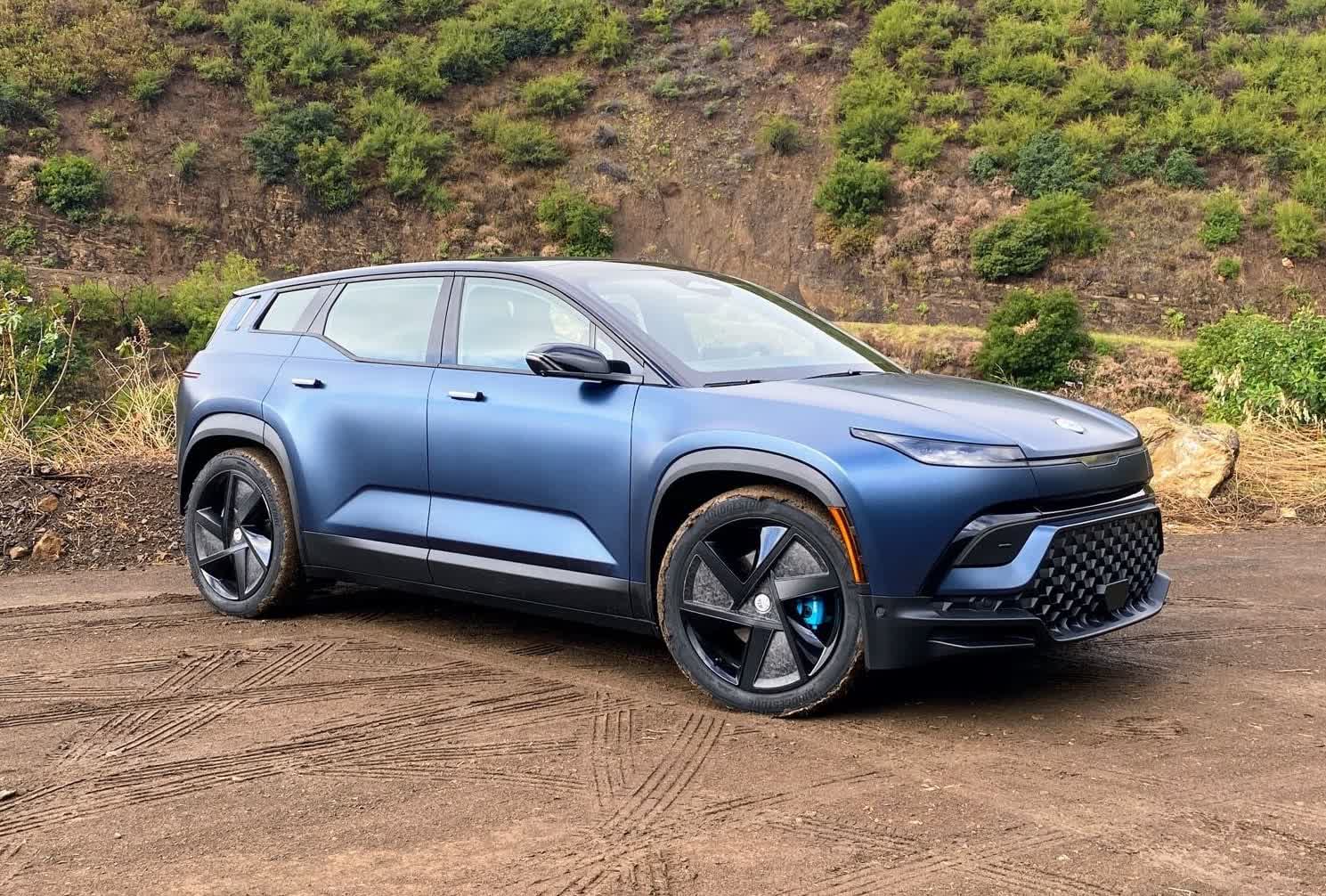
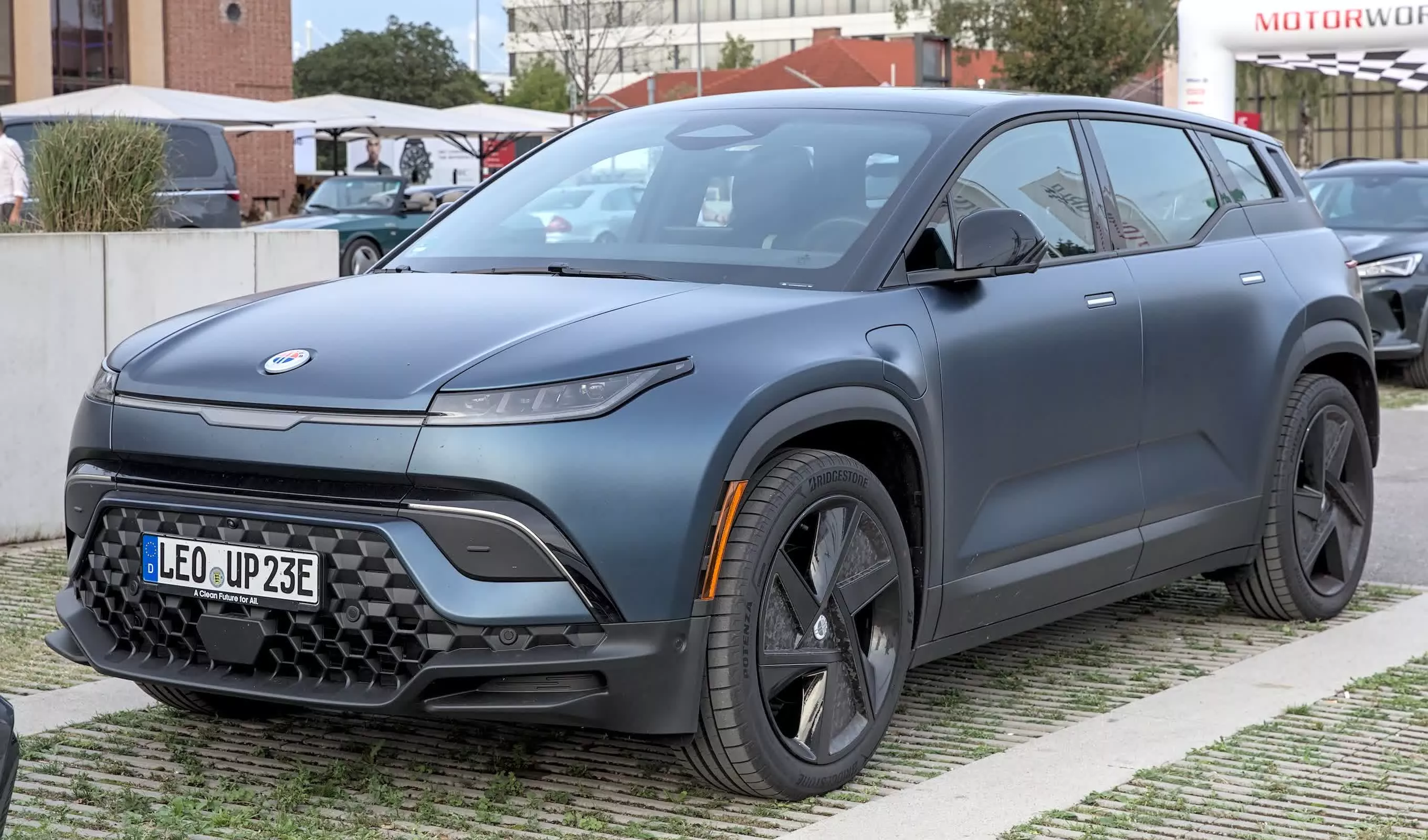
Facepalm: When Fisker filed for bankruptcy in 2024, just 419 of its Ocean electric SUVs had reached customers in the UK. One owner in Southampton discovered her £60,000 crossover stranded in her driveway – not because of a flat battery or faulty motor, but because the car's software refused to boot. The company's servers soon went offline, and its California engineers stopped responding to messages. Nearly a year later, the vehicle remained motionless: a 2.5-ton monument to a reality the auto industry is still grappling with.
The value of a modern vehicle no longer lies primarily in mechanical reliability but in software continuity. Increasingly, the difference between "runs" and "doesn't run" depends on whether a remote authentication system or over-the-air patch remains active. From entry-level hatchbacks with app-based keyless entry to luxury EVs with cloud-connected diagnostics, a car's essential functions are now intertwined with the fate of the company maintaining its software.
This dependence isn't new, but the stakes are higher than ever. Better Place, an ambitious Israeli-Danish venture founded in 2007, learned that lesson a decade earlier. Its entire business model revolved around centralized servers coordinating battery-swap stations and verifying vehicles via proprietary software.
When the firm collapsed in 2013 after losing $850 million, Renault shut down the production line in Turkey. Without active servers, thousands of cars instantly lost access to charging infrastructure and management systems – the world's first large-scale case of bricked EVs.
Today's software-defined vehicles are far more sophisticated and even more dependent on digital infrastructure. Cloud platforms now mediate everything from energy-management algorithms to digital keys, predictive maintenance, and driver-assistance calibration. Each software module may rely on third-party vendors, whose failure can cascade through the system.
Aging vehicles illustrate how this fragility evolves. Owners of older Teslas, for example, can buy bargain Model S sedans but have no guarantee of long-term software updates. Unsupported cars are at risk not only of glitches but also of cybersecurity vulnerabilities.
A vehicle running outdated firmware is effectively an unpatched endpoint connected directly to the internet – and sometimes such systems are responsible for controlling propulsion or braking functions.
High-end legacy cars face the same dilemma in a different form. Some 1990s McLaren F1s now require period-correct laptops running obsolete Windows systems just to start their engines.

The auto industry's response has been to pursue standardization. Catena-X, a consortium of automakers, suppliers, and software firms, is developing a shared data infrastructure that tracks parts and code dependencies throughout a vehicle's life cycle.
The network aims to make software components more interchangeable by defining common APIs and a digital software bill of materials. In practice, this could allow manufacturers to substitute equivalent modules if a partner fails, extending the functional lifespan of vehicles that would otherwise be tied to defunct vendors.
Yet even with initiatives like Catena-X, cars remain bound to proprietary ecosystems. The industry has not established minimum lifespans for critical software or regulatory requirements for data continuity, leaving both automakers and owners vulnerable to the same risks that sank Fisker and Better Place – a loss of service that can strand millions of dollars' worth of functioning vehicles.