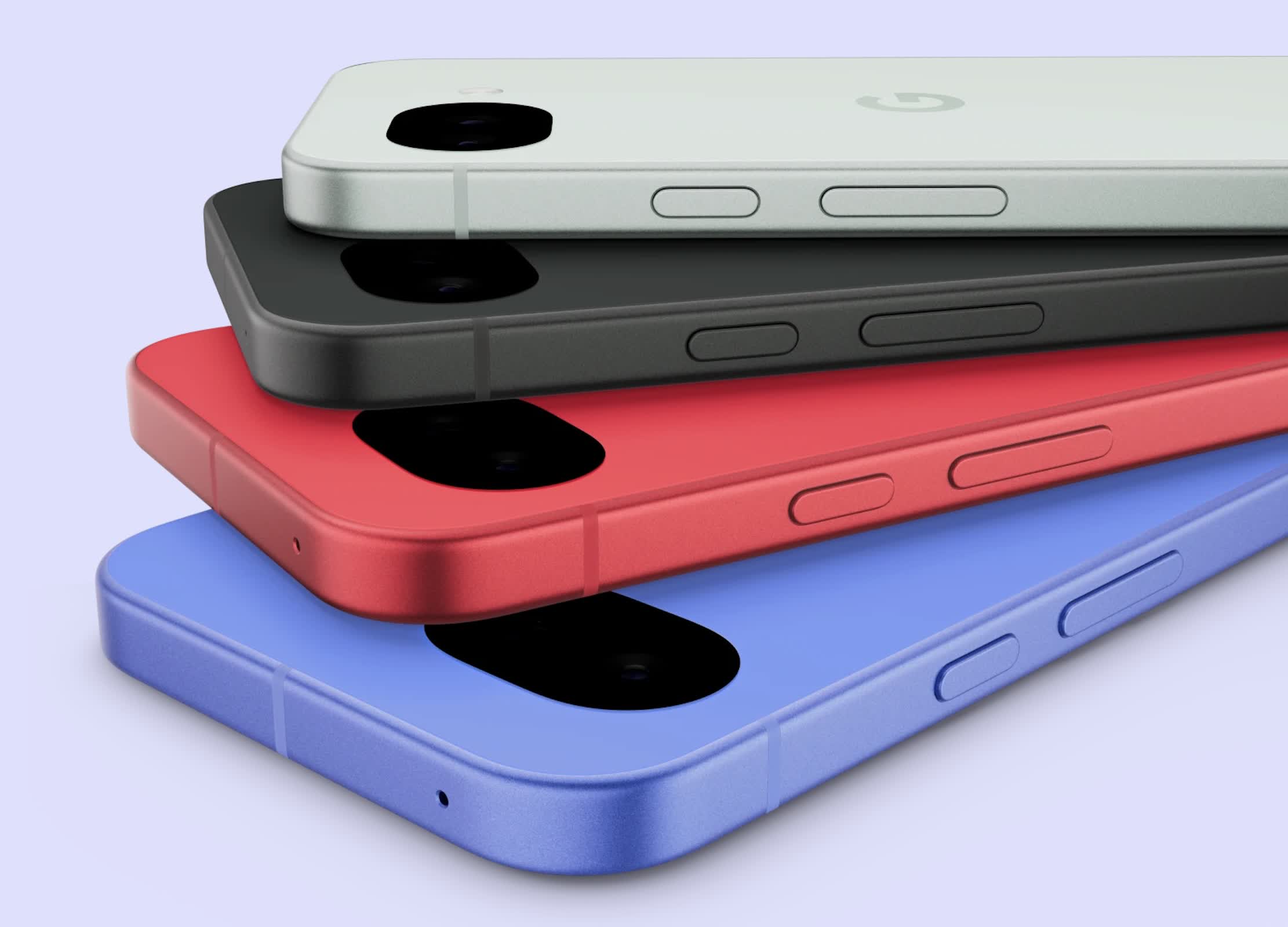
First look: Google's latest midrange smartphone, the Pixel 10a, lands on March 5 with pre-orders now open. Rather than rewriting its formula, the company has chosen to refine it. The new model looks almost identical to last year's Pixel 9a, runs on the same Tensor G4 processor, and costs the same $499.
The device's most visible change is its rear panel. The camera module, flattened further compared to the 9a's already streamlined bump, now sits flush with the back surface. It's a design continuity that makes the 10a feel more seamless in hand, even if it's nearly indistinguishable from its predecessor.
A new sheet of Gorilla Glass 7i protects the display, replacing the dated Gorilla Glass 3 – an upgrade that improves scratch and impact resistance.
The 6.1-inch OLED panel keeps the same resolution and refresh rate as before, but peak brightness has increased from 2,700 to 3,000 nits, matching the flagship Pixel 10's screen. That jump, though subtle on paper, should make the device easier to read in direct sunlight and pushes its display quality closer to premium standards.

Internally, Google's decision to stick with the Tensor G4 is more about intent than stagnation. The chip, introduced in 2025, integrates Google's machine learning cores for image processing, contextual awareness, and on-device AI functions. The company opted not to adopt the newer Tensor G5, citing a balance between affordability and performance.
While that may disappoint benchmark chasers, Google's processing software – particularly its computational photography and live translation – remains competitive because the company's AI stack is optimized for its own silicon.
One area where the new model shows a measurable gain is power delivery. The Pixel 10a supports 30-watt wired charging through its USB-C 3.2 port, up from 23 watts on the 9a, and wireless charging speed has increased from 7.5 to 10 watts. Google retained the physical SIM slot, even as it removed it from the flagship Pixel 10 lineup.
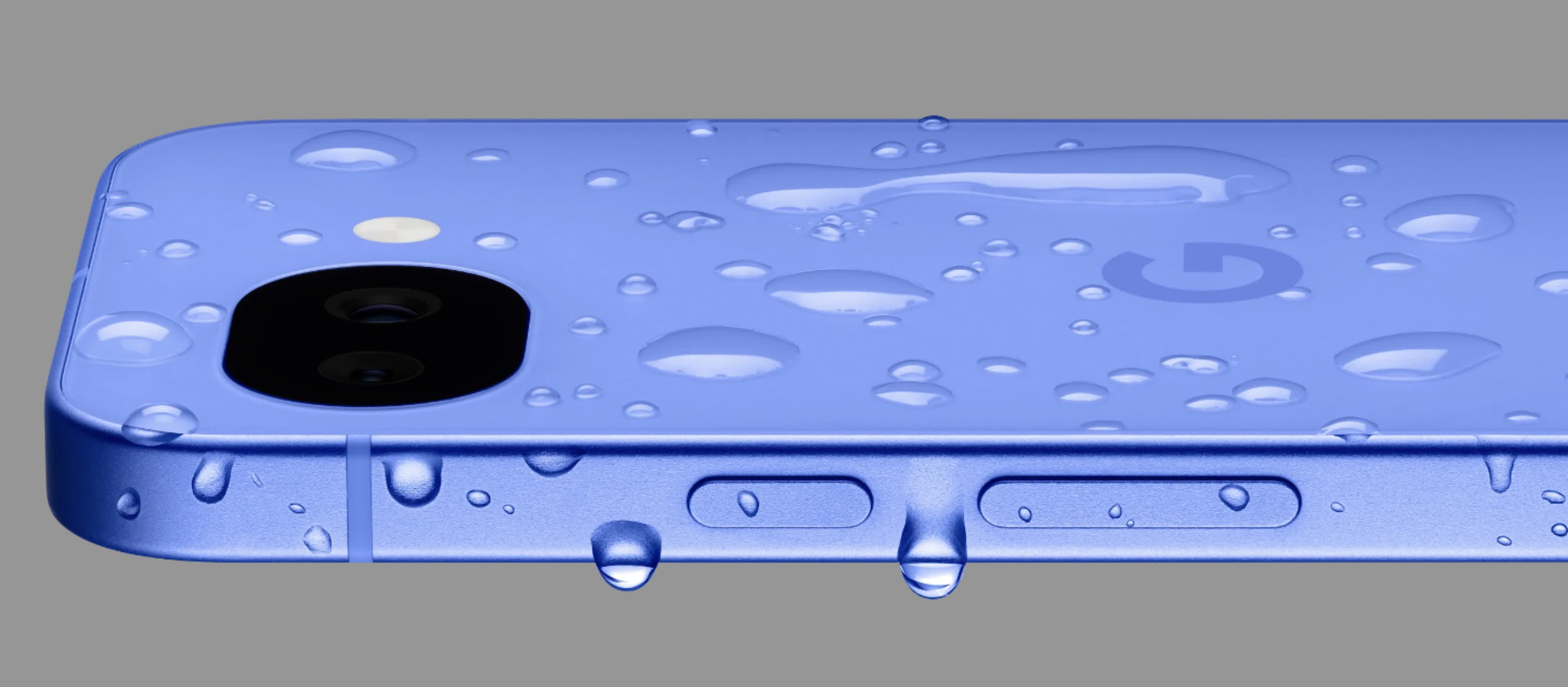
Sustainability also factors heavily this year. The aluminum frame is built from 100 percent recycled material, and 81 percent of the plastic back is reclaimed content. Inside, metals including gold, tungsten, cobalt, and copper are also partially recycled, accounting for roughly 36 percent of the phone's total mass.
Performance aside, the real narrative around the 10a is strategic. By keeping the A-series on a slower update cycle, Google gives its pricier Pixel 10 more breathing room.
The company's past issue – mid-tier phones outshining the flagships in value comparisons – appears to have influenced this restraint. Component shortages across memory and storage markets have only reinforced those priorities. Retaining last year's chip may also buffer Google against rising semiconductor costs, particularly as AI hardware demand strains global supply chains.
The Pixel 10a's photography hardware remains identical to the 9a's, and given how well that camera performed in its class, there was little incentive to retool it. Google's camera still captures several images at once and uses AI to blend them and adjust lighting, giving you photos that look close to what high-end models produce, but at a lower price.
For buyers, the trade-off is clear: consistent performance, strong camera output, modern materials, but no leap in speed or design. Whether that's enough to justify an upgrade depends on what consumers expect from an A-series phone – stability or novelty.