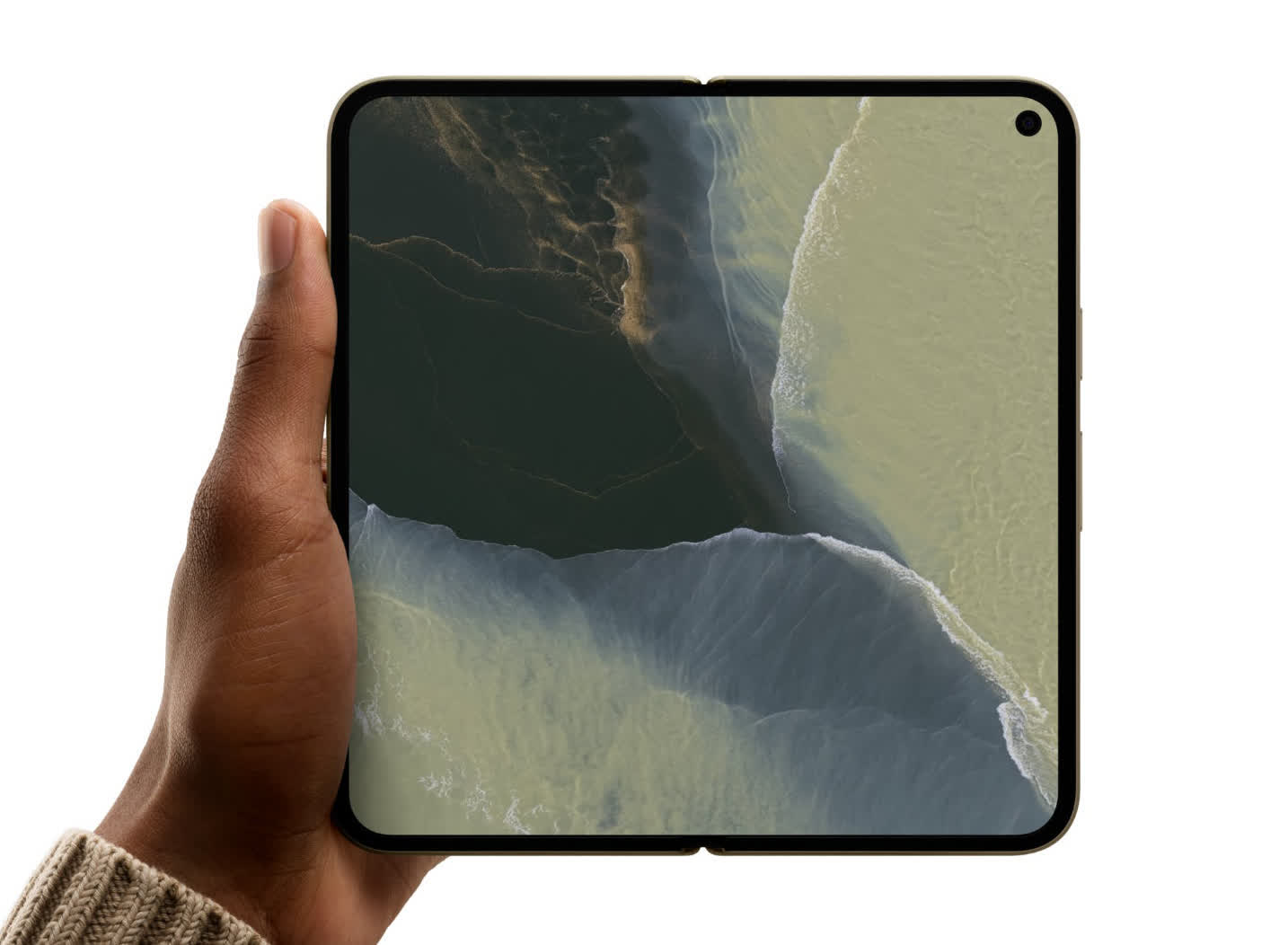
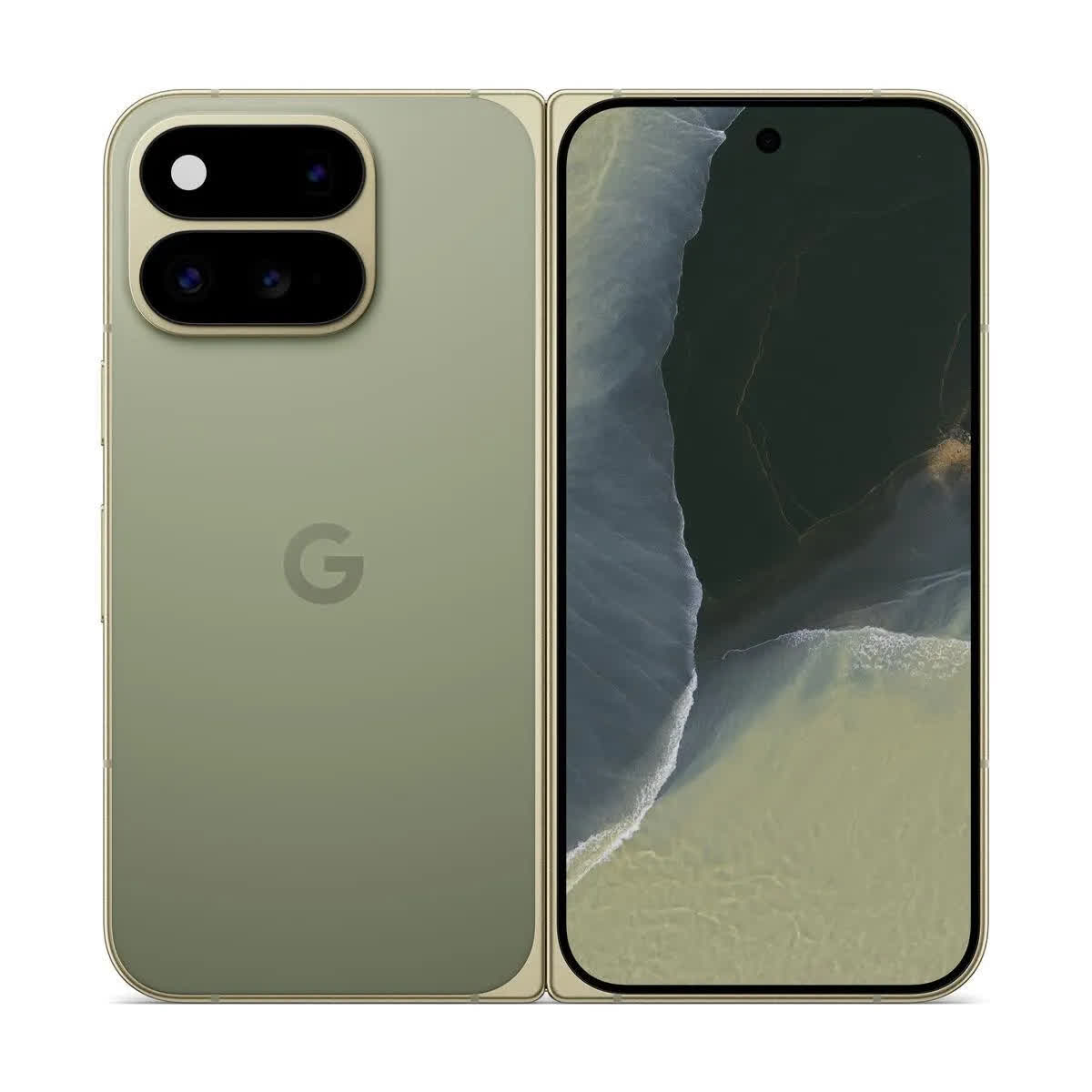
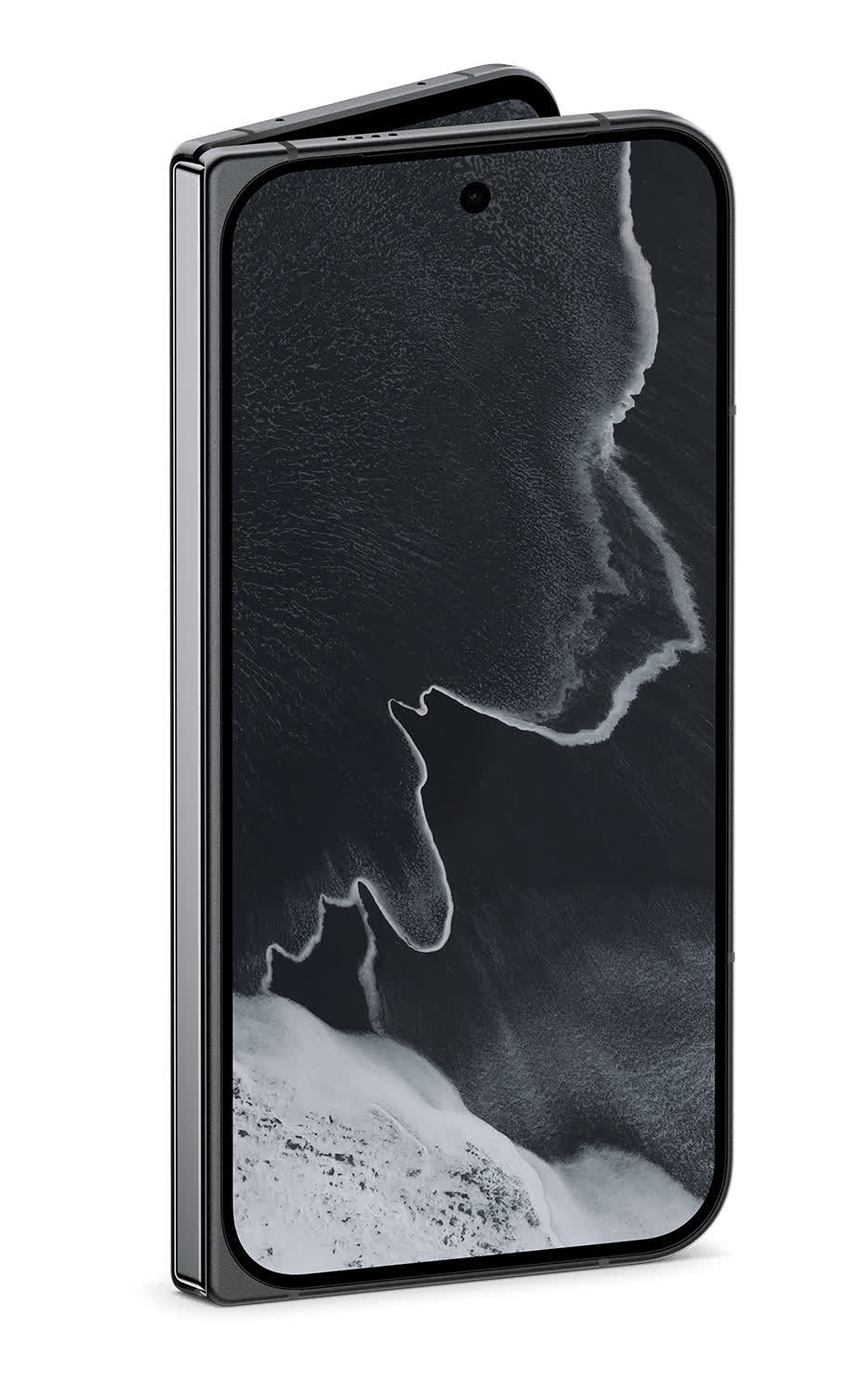
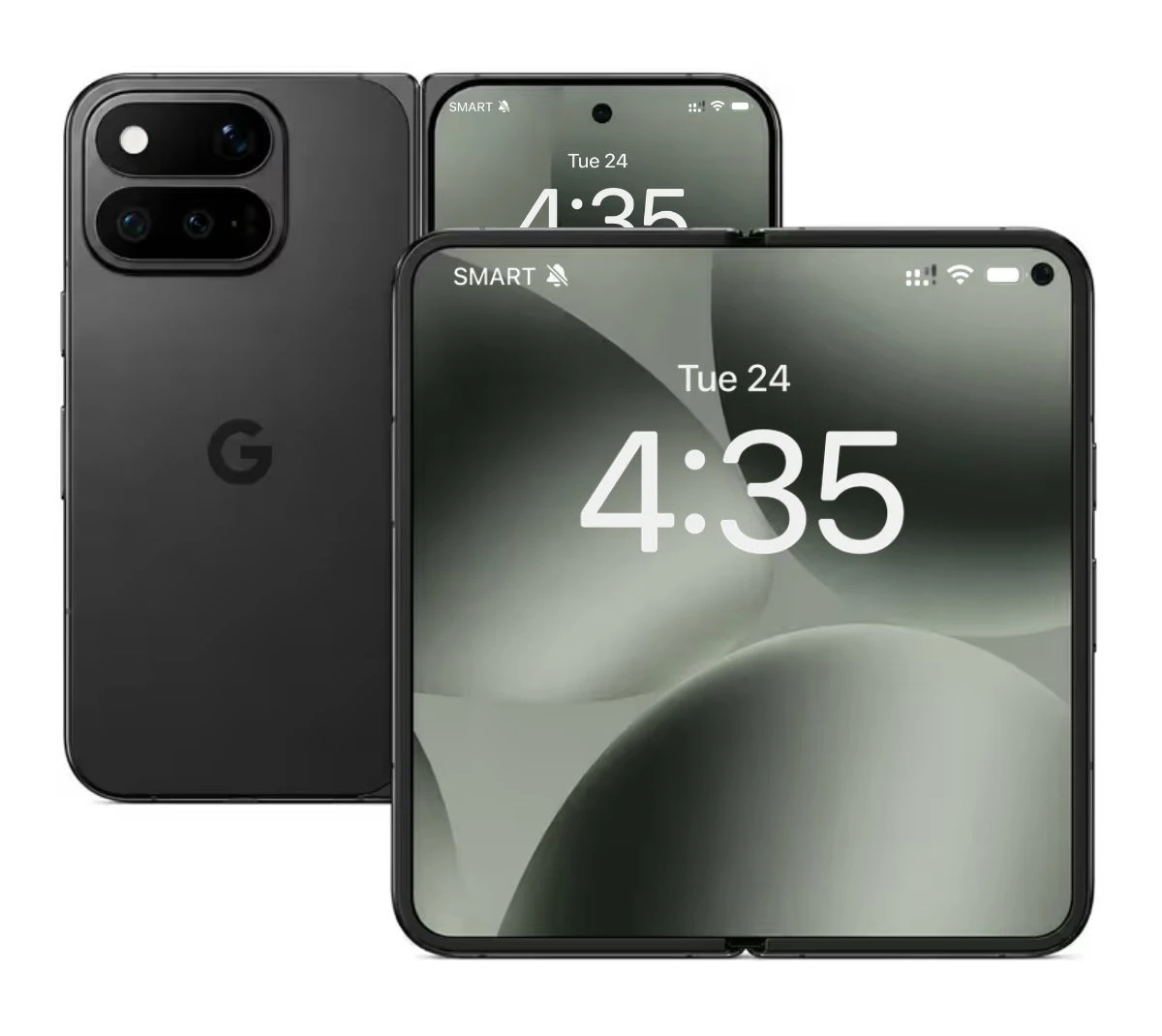
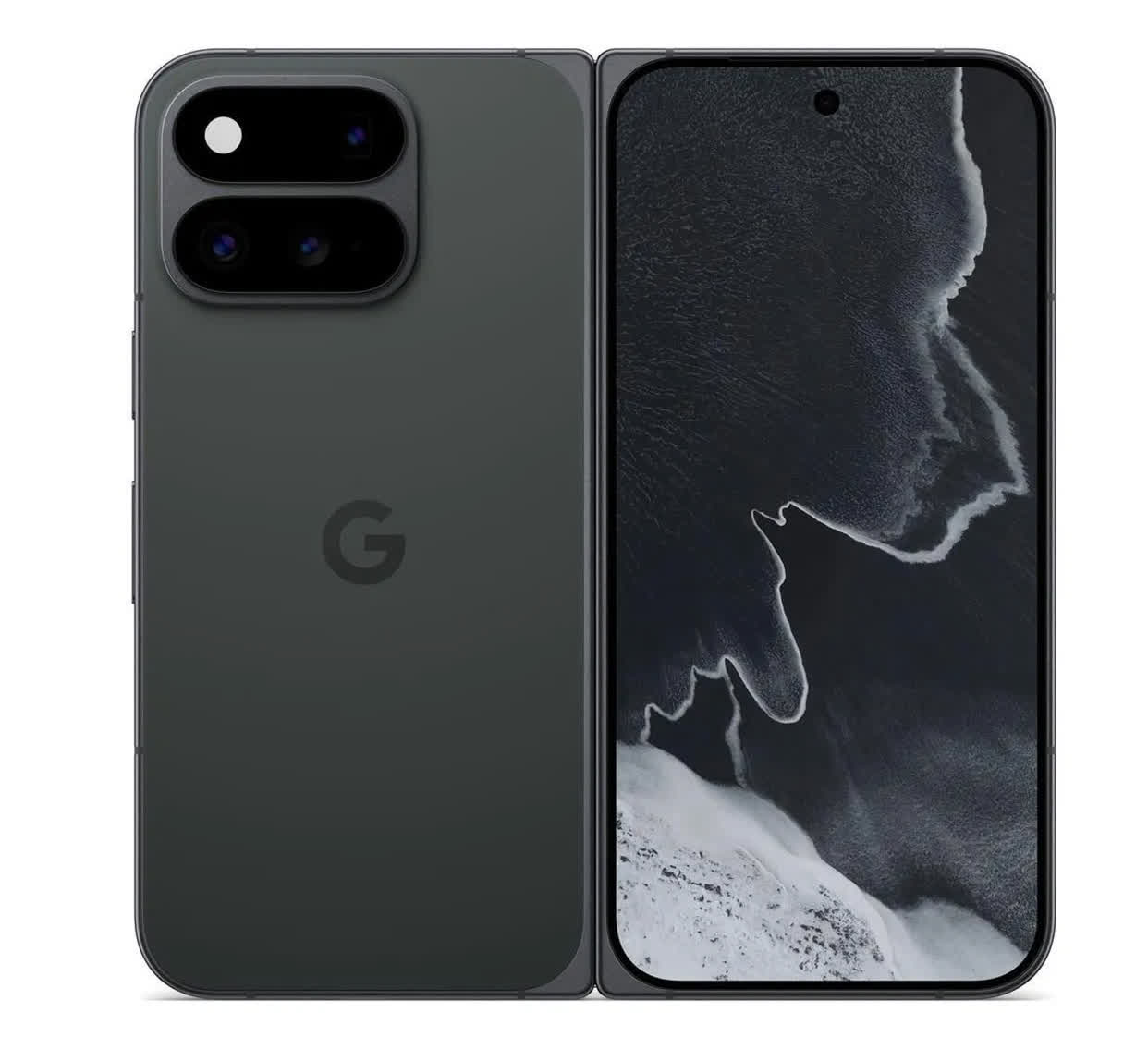
As for how the Google Pixel 11 Pro Fold competes with the new Galaxy Z Fold 8 Ultra and the unusually shaped Z Fold 8, well, it stands nearly toe-to-toe with the Ultra model, though I think the Ultra has it beat on photo capabilities. The Z Fold 8 Ultra is also considerably lighter, making it feel like a no-compromises flagship with a secret 8-inch display.
Our editors hand-pick related products using a variety of criteria: direct competitors targeting the same market segment, or devices that are similar in size, performance, or feature sets.
Hands on: Now all this doesn't mean the Pixel 11 Pro Fold is a bad device. I appreciate a new processor along with faster charging, brighter displays (both inside and out) and a new sensor for its main camera. But between a $100 price increase over the previous model and the lack of engaging Pro Fold-specific features, Google's next flagship foldable needs more of everything if it truly wants to compete with the likes of Motorola and Samsung.
Hands on: I don’t buy into the narrative that thinness is the final word in the quality of a foldable phone, especially when we’re talking about the minute differences that we’ve started to see from the likes of Honor’s Magic V6 and Samsung’s Galaxy Z Fold 8 Ultra.
Hands on: There’s nothing specifically groundbreaking from the new Pixel 11 phones. The cameras are better and there’s more AI than before, but we’re still very early in relying on AI to help change how we use our phones. Google is waiting around for others to figure it out first—it’s charging ahead to show how it’s done.
As for how the Google Pixel 11 Pro Fold competes with the new Galaxy Z Fold 8 Ultra and the unusually shaped Z Fold 8, well, it stands nearly toe-to-toe with the Ultra model, though I think the Ultra has it beat on photo capabilities. The Z Fold 8 Ultra is also considerably lighter, making it feel like a no-compromises flagship with a secret 8-inch display.