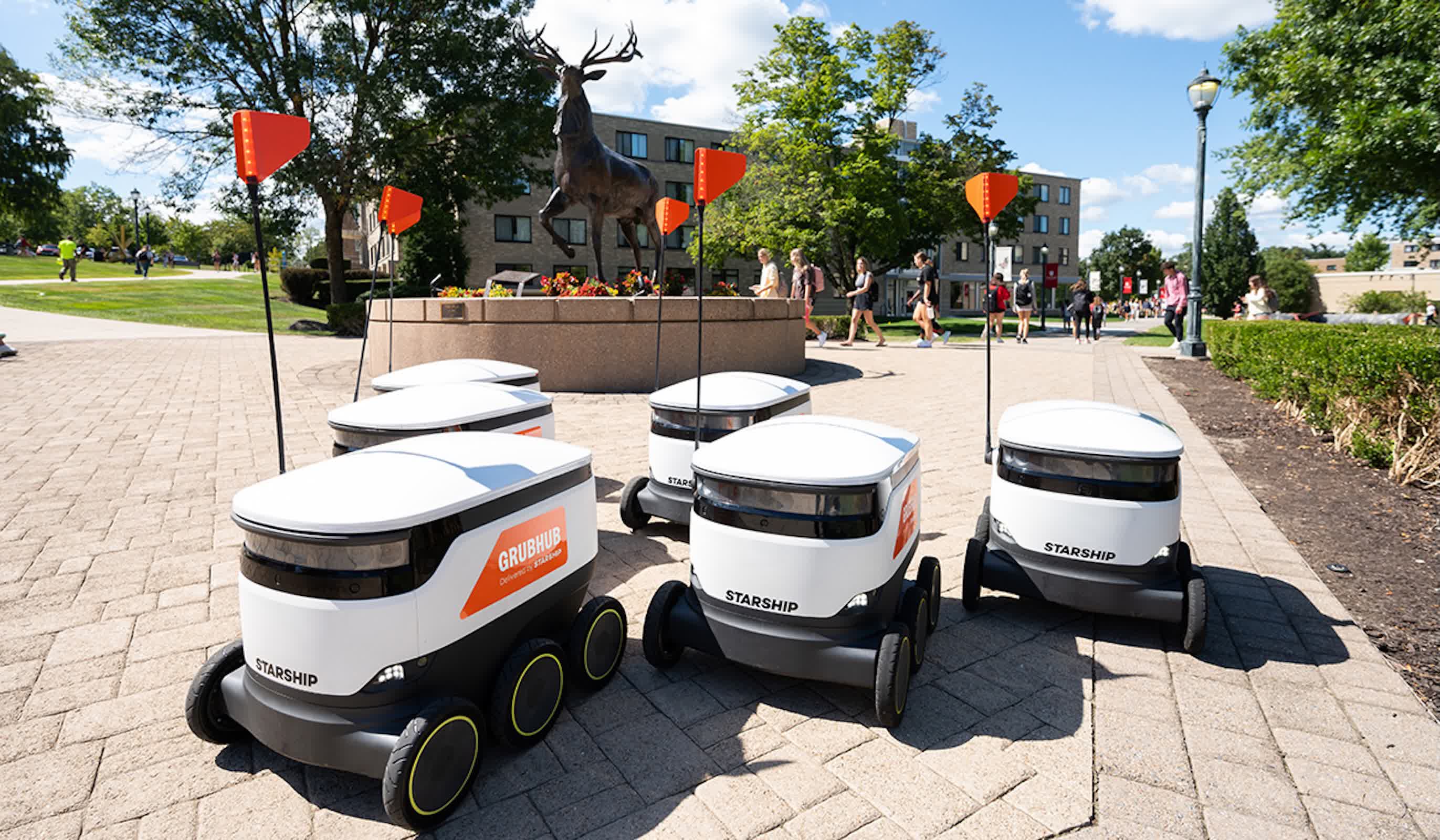
A hot potato: The quiet hum of autonomous machines has become part of the urban soundscape in dozens of American cities. Compact, camera-studded delivery robots now weave among pedestrians, navigating curbs, crosswalks, and the occasional scowl. The technology behind them is sophisticated, built on the same perception and decision-making systems once reserved for experimental self-driving cars. Yet as these machines multiply, so does a very human reaction – resentment.
Serve Robotics, a San Francisco-based startup spun out of Uber, has emerged as one of the most aggressive players in the race to automate local delivery. Just a year ago, its fleet numbered only about 100 robots. But the firm has since deployed roughly 2,000 machines across multiple cities.
Rivals like Starship Technologies and Coco are expanding at a similar rate, with fleets in the low thousands. The numbers signal a shift: food delivery has quietly become one of AI's most visible real-world applications.
Each of these cooler-sized couriers fuses multiple sensing modalities. Embedded cameras and lidar units map the surrounding terrain, while onboard software – trained by massive datasets of street imagery – interprets context in real time.
The robot decides whether to cross or yield, how to re-route around construction, and even how to tilt its body to maintain stability on uneven pavement. A sophisticated planning engine integrates these signals and adjusts the trajectory instantaneously, aiming for autonomous mobility at the pedestrian level.
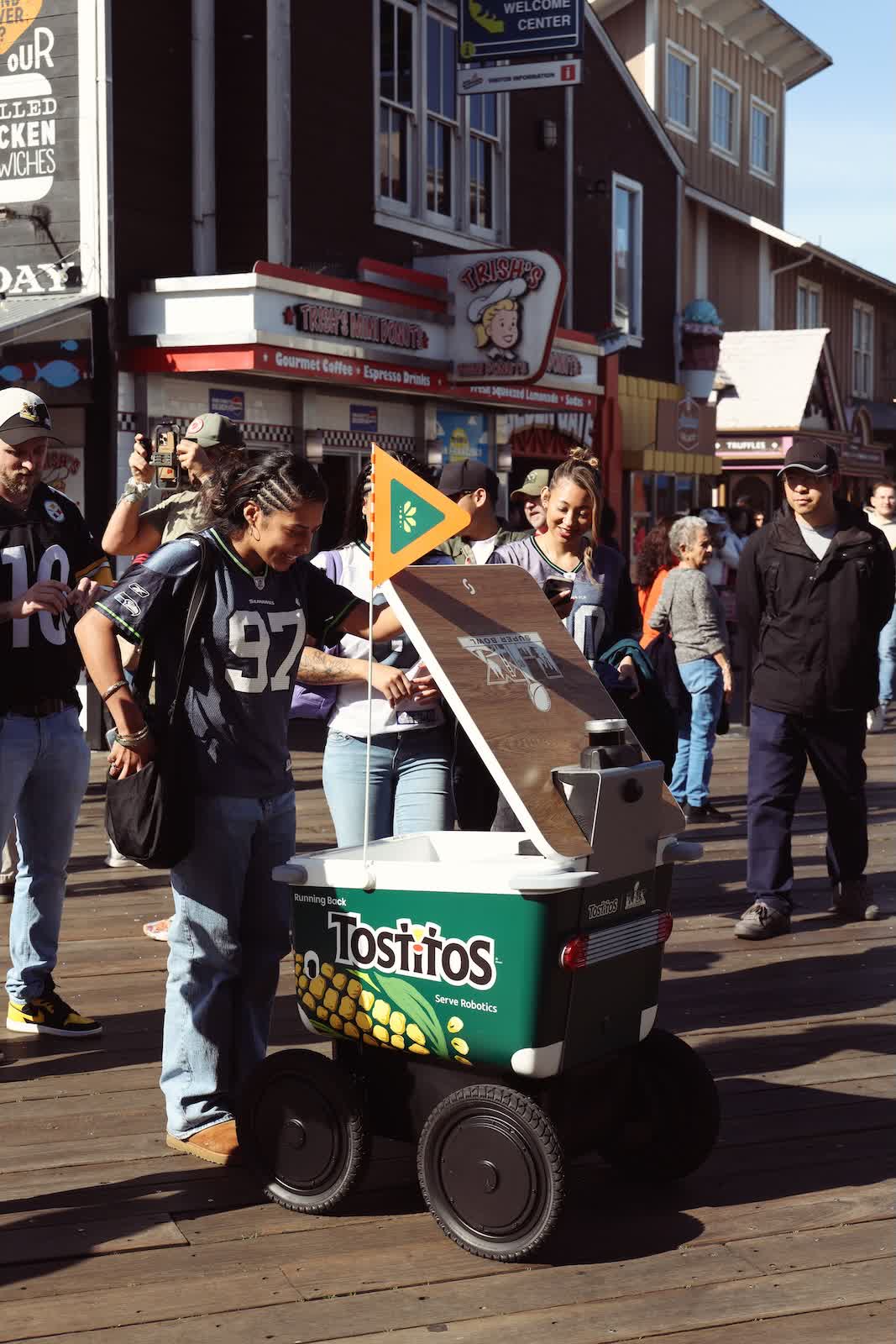
Economically, the appeal is obvious. Transporting a two-pound meal in a vehicle weighing more than a ton makes little sense in terms of energy or cost. Serve's chief executive, Ali Kashani, often points out that about a quarter of all US car trips fall into the "last-mile" category – short errands and low-weight deliveries that drive congestion and emissions.
Consultancy Thunder Said Energy Inc. estimates that a robot consumes roughly one percent of the energy used by a motorcycle performing the same task, making automated couriers not just cheaper but far more efficient.
But technological progress is colliding with social friction. Online clips show people kicking, grabbing, and even attempting to destroy the robots. Some interventions look like attempts at theft; others seem pure expressions of frustration.
@worknews01 Food delivery robots under attack from vandals, thieves #foryou #greenscreen #fyp #news ♬ original sound - worknews01
In Chicago, over three thousand residents have signed a petition demanding bans on delivery robots, arguing they clutter sidewalks and endanger pedestrians. Students at the University of Notre Dame have publicly called for boycotts of the machines. For many, they are a symbol of automation encroaching too far into public space.
The antagonism recalls past encounters between Americans and humanoid or mobile robots. In the mid-2010s, hitchBOT – a cheerful, hitchhiking robot that had safely crossed Canada and parts of Europe – was famously destroyed within days of its US debut.
A later patrol robot in San Francisco's Mission District suffered repeated vandalism, including being smeared with barbecue sauce. Surveys by the Pew Research Center suggest this discomfort runs deep: Americans express markedly greater concern about AI in everyday life than citizens of other advanced economies.
Serve is trying to soften its image, borrowing design cues from pets and toys. Its sidewalk units sport digital "eyes," blink animations, and names like Deja or Niska to evoke personality. Their software includes gesture algorithms that mimic courtesy – they slow down near pedestrians and rotate slightly to "signal" direction before moving forward.
Kashani insists this is less a gimmick than a psychological approach, a way to humanize the interaction. He also downplays reports of hostility, noting that 99.8% of scheduled deliveries finish successfully.
For Serve and its competitors, the next challenge is to expand the robots' usefulness beyond burritos and boba tea. Pilot programs are exploring pharmaceutical pickups and returns for online shopping. The technology clearly works, but the cultural acceptance may prove harder.