WTF?! The promise of plug-in hybrid electric vehicles (PHEVs) was simple: lower emissions and drastically reduced fuel consumption. However, real-world driving data tells a different story. In the most comprehensive analysis yet of vehicle behavior outside testing labs, Germany's Fraunhofer Institute found that PHEVs consume fuel at rates far higher than their manufacturers claim.
Using data transmitted wirelessly from roughly one million PHEVs produced between 2021 and 2023, the researchers measured actual fuel consumption across diverse driving conditions and found an average of six liters per 100 kilometers – roughly three times the officially certified figures.
The findings highlight a growing gap between laboratory tests and on-road performance in hybrid technology. PHEVs rely on two propulsion systems: a traditional internal combustion engine and an electric motor powered by an externally charged battery.
This dual-mode setup allows drivers to toggle between electric and fuel power, depending on speed, distance, or battery availability. In theory, the vehicles should rely primarily on electric power for short trips, minimizing fuel use.
In practice, the study found, the combustion engine engages far more frequently than expected. Patrick Plötz of the Fraunhofer Institute told German broadcaster SWR that researchers believe the combustion engine in plug-in hybrids is triggered to turn on much more often in everyday driving than previously assumed.
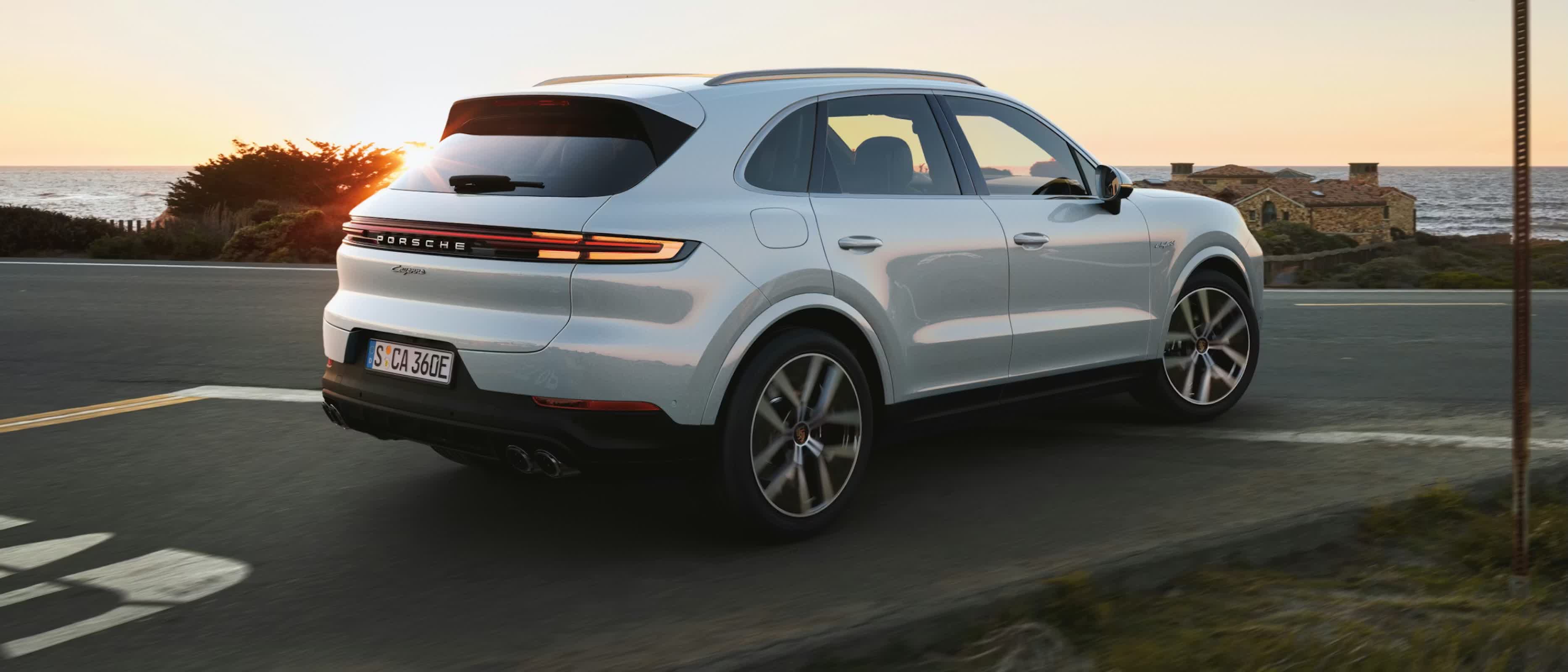
German-made hybrids accounted for many of the highest consumption figures, with Porsche models averaging around seven liters per 100 kilometers – more than any other brand studied. By contrast, smaller PHEVs from manufacturers such as Kia, Toyota, Ford, and Renault were more efficient, often consuming less than one liter per 100 kilometers when primarily powered by electricity.
Porsche attributed the discrepancies to "differing usage patterns," telling SWR that driver behavior, road conditions, and individual driving profiles affect results. The company emphasized that its official figures comply strictly with EU testing standards, ensuring uniform measurements across markets.
However, those standards, the Fraunhofer team warned, no longer reflect real-world conditions. Regulators should base emissions compliance on actual road data, Plötz said, and impose penalties for noncompliance if fleet CO₂ emissions averages exceed regulated limits.
The institute's report urges the European Union to revise how it measures and certifies plug-in hybrid fuel consumption, arguing that the current approach overstates efficiency and understates emissions. The European Commission, which sets CO₂ limits, declined to comment on the study's findings when contacted by SWR. Meanwhile, the German Association of the Automotive Industry defended the existing testing framework as reliable and representative.
The study adds weight to long-standing critiques from environmental organizations that question whether plug-in hybrids truly bridge the gap between combustion and electrification or simply postpone it. As automakers invest heavily in hybrid strategies to meet carbon targets, Fraunhofer's data suggests the technology's environmental performance depends less on laboratory optimization and more on real-world performance with actual drivers.