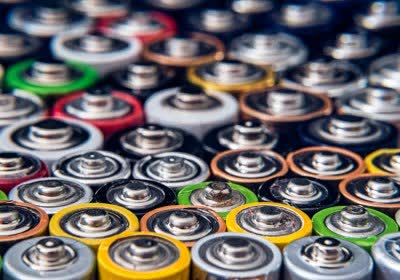
Forward-looking: What started as a curiosity at CES 2025 has quietly matured into one of the show's most convincing sustainability narratives a year later. Flint, the Singapore-based startup developing a fully cellulose-based paper battery, is now in production and gearing up to supply its renewable power cells to major electronics partners, including Logitech, Amazon, and Apple accessory maker Nimble.
First shipments are expected later this year as demand for green materials grows
Forward-looking: As InventWood prepares to bring its first batches of Superwood to market, it stands as a testament to what can happen when scientific innovation meets entrepreneurial determination. If successful, Superwood could mark a turning point in the quest for greener, stronger, and more beautiful buildings.
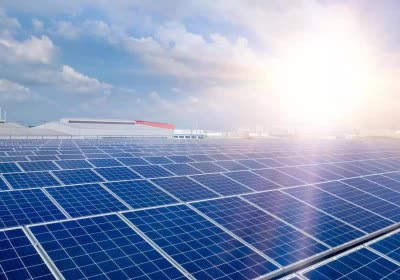
Forward-looking: Recent studies indicate that the widespread adoption of solar panels worldwide could significantly reduce carbon emissions and slow climate change. The United Kingdom plans to take a major step toward that goal with upcoming legislation that mandates panels on the roofs of almost all new homes.
Equatic will absorb CO2 and pump it into the ocean, while also producing hydrogen as fuel, or at least that's the plan
In a nutshell: A Los Angeles startup is making waves by claiming it can simultaneously address two major climate challenges: removing carbon dioxide (CO2) from the atmosphere and storing it in the ocean, while also producing emissions-free hydrogen fuel. The concept sounds promising, but not everyone is on board with it.
Why it matters: Over 25 million tons of single-use polystyrene packaging is manufactured annually on a global basis. However, only a tiny fraction gets recycled, with the vast majority ending up in landfills after serving its purpose. Now, scientists have developed an ingenious way to recycle polystyrene – by converting its static electricity into usable power.