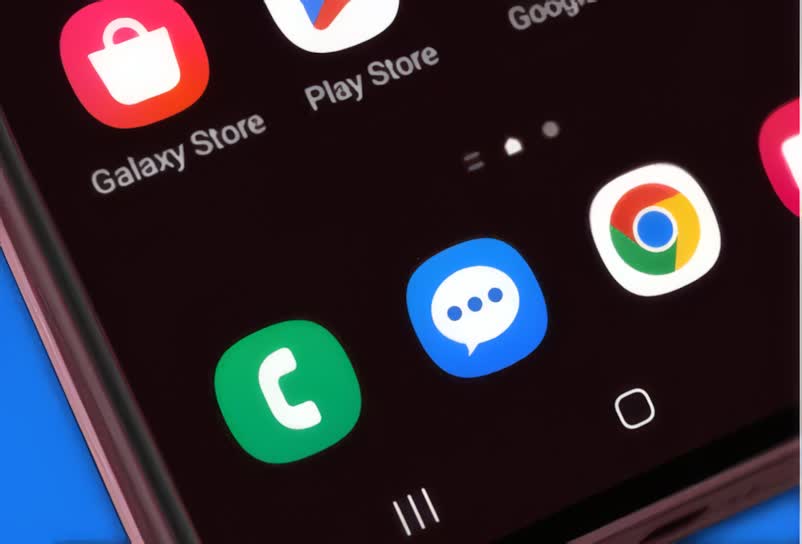
In a nutshell: Samsung is finally pulling the plug on one of its most familiar first-party apps. After years of pushing Galaxy owners toward Google Messages, the company has now confirmed that Samsung Messages will be discontinued in three months.
The confirmation comes from an End-of-Service notice on Samsung's US website, which says the app will be discontinued in July 2026. It advises users to move to Google Messages to maintain a consistent Android messaging experience.
Samsung has not posted a shutdown date on the support page itself, instead telling users to check the Samsung Messages app for the exact cutoff on their device.
The company also says users on Android 11 or older are not affected. After the shutdown, Samsung Messages will only work for emergency numbers or emergency contacts.
Samsung has been heading toward this decision for years. The company gradually replaced Samsung Messages with Google Messages as the default texting app on newer Galaxy phones, tablets, and wearables as the two companies pushed RCS across Android.
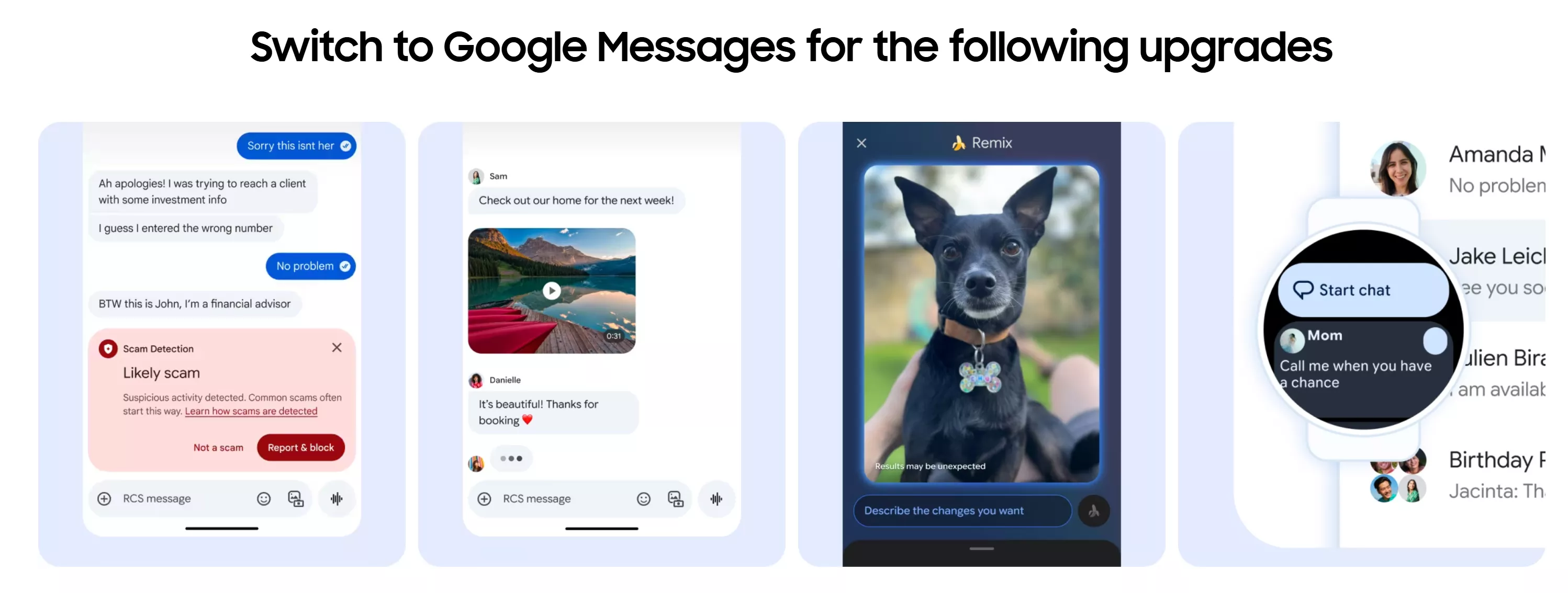
Samsung is also using the switch to highlight Google's perks: stronger spam protection, richer group chats, better photo and video sharing, typing indicators, multi-device syncing, and Gemini-powered features such as smart replies.
There are some catches, though. Samsung says devices released before 2022 could see temporary disruptions to ongoing RCS chats during the switch, although regular SMS and MMS will still work.
Older Tizen-based watches launched before the Galaxy Watch4 also cannot support Google Messages, which means they will lose access to full conversation history after Samsung Messages is retired, even though basic texting will remain.
Samsung has already closed the door on the app for Galaxy S26 and newer devices, and after the July shutdown, other Galaxy owners will no longer be able to download it from the Galaxy Store either.
None of this is especially surprising, but it's still the end of an era for longtime Galaxy users. Samsung Messages was long praised for being familiar, lightweight, and deeply tied to the company's ecosystem at a time when Samsung loved offering its own alternative to nearly everything Google made.