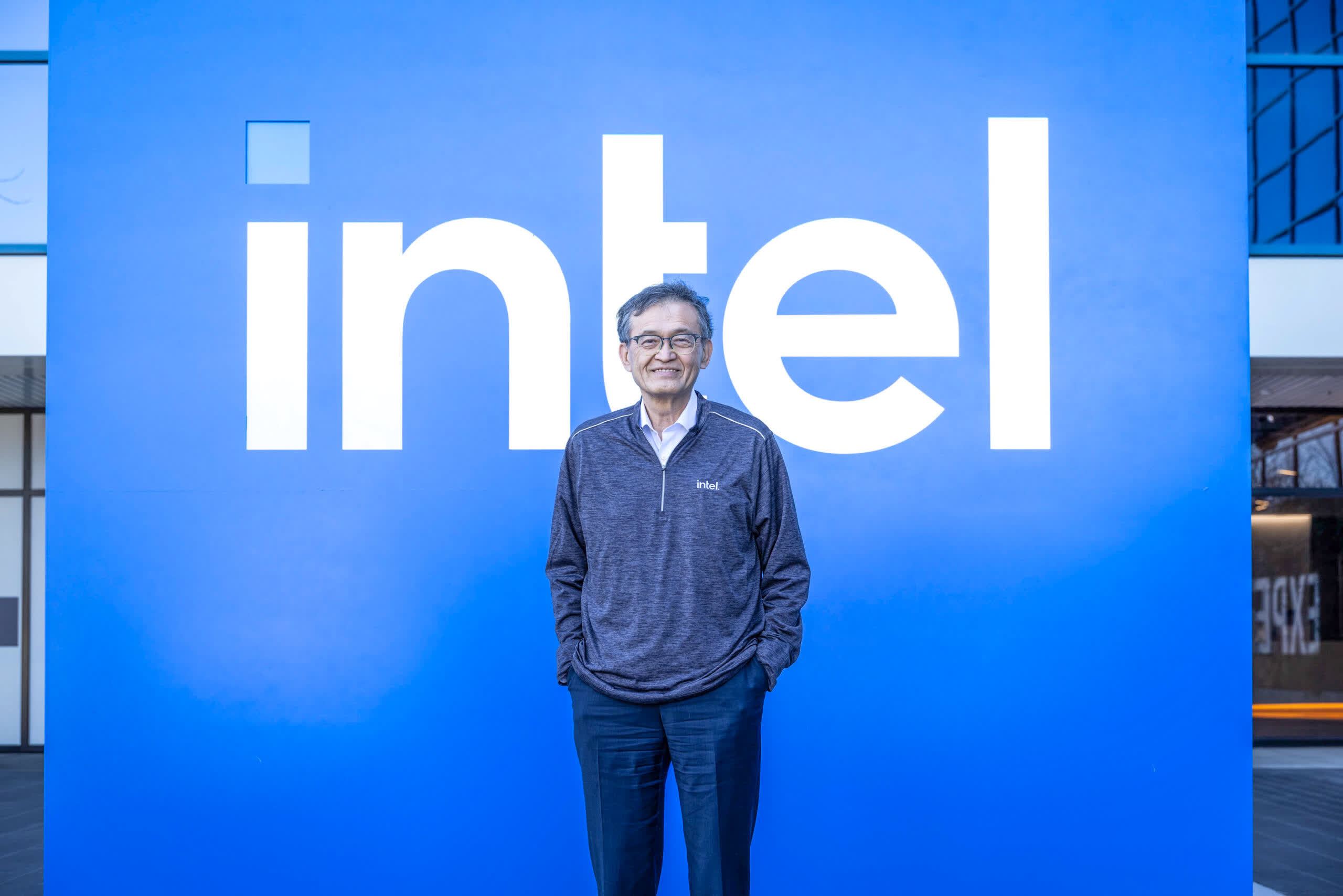
What just happened? Reports on Intel's failing fortunes have kept on coming for years, but it appears that Team Blue has turned a corner. Thanks in part to its involvement with Elon Musk's TeraFab project, Intel's market cap has reached its highest level since the dot-com boom at the start of the 2000s.
Until recently, Intel's post-pandemic years have not been ones to remember. A declining share price, combined with AMD's success, allowed Team Red to surpass its rival in market cap for the first time ever in 2022.
Things continued to get worse for Intel. In 2024, its market cap dipped below $100 billion for the first time since before its peak in 2000, a result of the massive investments in its foundry business failing to pay off and the poor reception to Raptor Lake – among other things. For a while, it appeared that Qualcomm was going to take advantage and buy Intel.
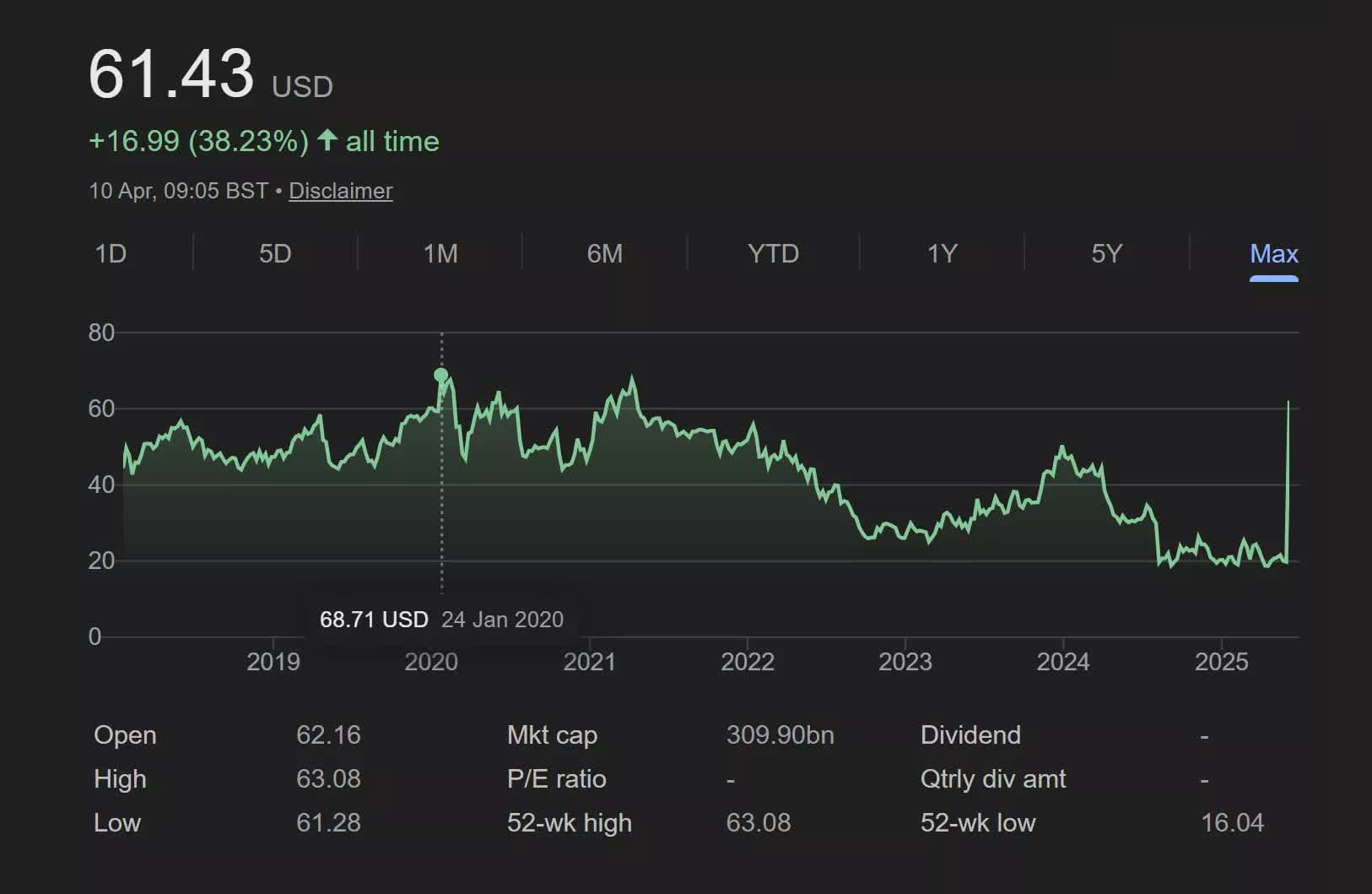
But the company's fortunes started to change when Lip-Bu Tan took over from CEO Pat Gelsinger in 2025, beginning with a share-price jump after the US government said it was taking a 10% stake in Intel.
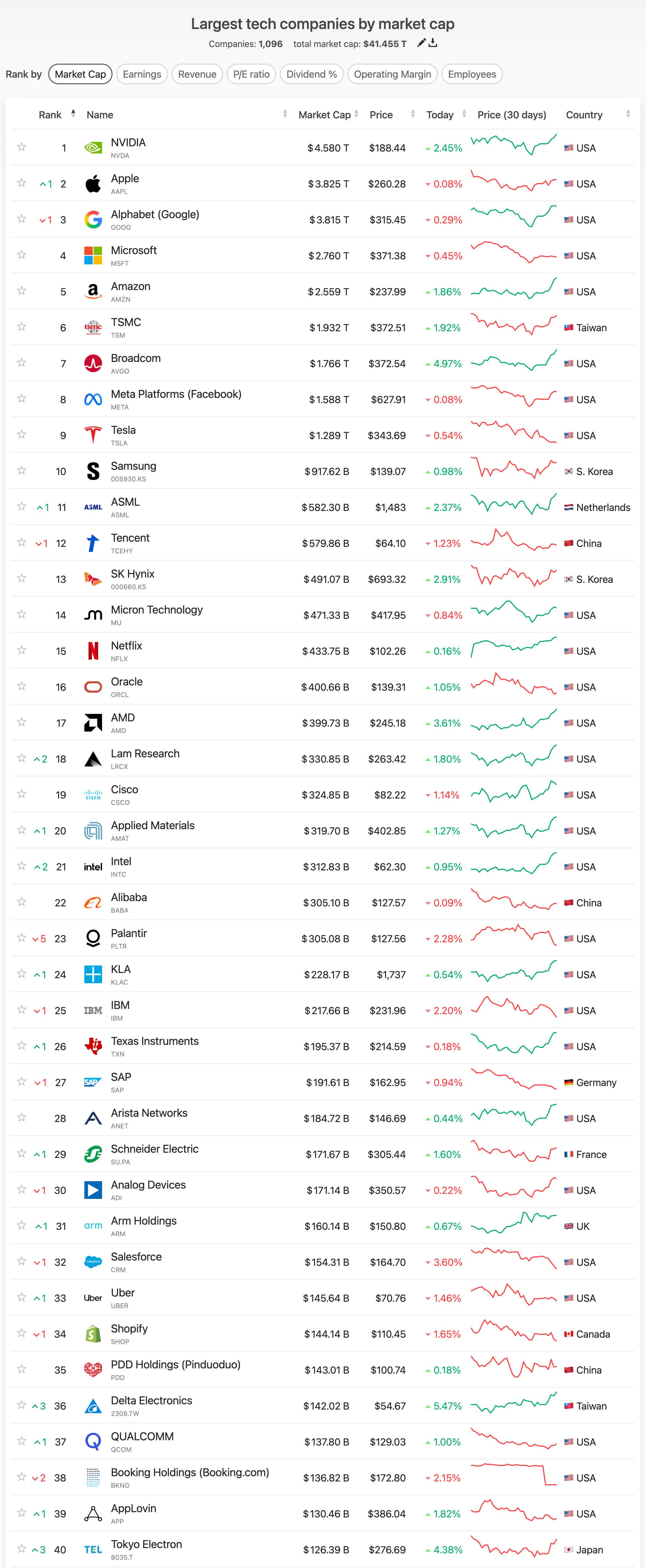
Recent announcements have pushed that share price up almost threefold since August last year, sending Intel's market cap to $305 billion – the highest since the peak of the dot-com boom in August 2000, when it passed $500 billion.
Several factors have contributed to the success. One of the reasons Intel struggled was its failure to jump on the AI bandwagon, but that's changed recently as it signs more deals and partnerships related to the technology and its infrastructure.
Intel has also signed a multi-year collaboration with Google for the latter to continue deploying Xeon platforms for its AI and cloud divisions.
Possibly the biggest boost came from Intel's recent announcement that it had joined the TeraFab project. Musk talked about the facility in March, saying it would produce cutting-edge chips for AI, robotaxis, robotics, and space systems.
Intel said its ability to design, fabricate, and package ultra-high-performance chips at scale will help accelerate Terafab's aim to produce 1 TW/year of compute to power future advances in AI and robotics.