Stock market articles

Ex-Nvidia advisor says the company owes him $1 billion in stock, but Nvidia disagrees
A reported 1996 paperwork error miscounted his vesting period as four years instead of four quarters
AMD just joined the $1 trillion club, beating Intel to the milestone
AMD's stock has nearly tripled this year

European Central Bank warns AI bubble burst could trigger systemic fallout
"A US AI fallout would not remain a US problem"
Euro Burstin': While US companies continue pouring massive sums of capital into their AI data center expansion plans, European authorities are thinking about the impending AI bubble burst. A correction is likely, according to Europe's main banking institution, and its impact will not spare anyone, anywhere in the world.
Apple is the most valuable company in the world, again
Apple overtakes Nvidia as investors seek safety from AI stock volatility
Amazon, Meta, Microsoft, and other US tech giants are hiding $1.65 trillion in AI debt
Ripple effect: Amid growing talk of an AI bubble, a study by Japanese market analysts has found that five of the largest American technology companies are carrying a collective "hidden" debt of over $1.65 trillion, driven largely by massive spending on AI infrastructure. That undisclosed sum exceeds the $1.35 trillion the same companies have officially reported on their balance sheets, and it has grown eightfold over the past four years.
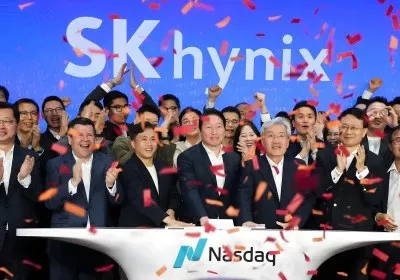
SK Hynix raises $26.5 billion in massive US share offering
The largest ever listing by a foreign company in the US
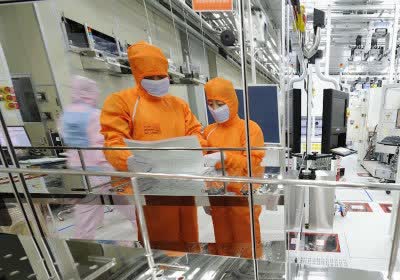
SK Hynix just surpassed Samsung to become South Korea's most valuable company
The chipmaker that nearly went bankrupt in 2002 is now worth $1.35 trillion because of AI
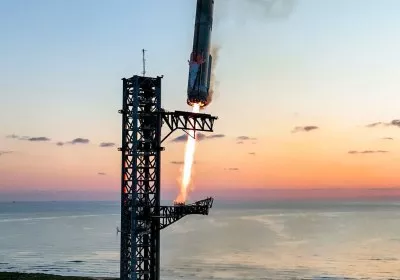
SpaceX goes public in the largest IPO ever, and Musk crosses the trillion-dollar line
What $135 (or more) a share buys: a rocket business, Starlink, and a very, very large bet on AI
Why it matters: The largest IPO in history did two things at once: it made Elon Musk the world's first trillionaire, and it quietly converted a privately held rocket company into a stock that millions of investors may soon own whether they chose to or not. SpaceX isn't asking Wall Street to price its launches or its satellites. It's asking the market to bet that a rocket company is on its way to becoming one of the most valuable AI companies on Earth, and to start paying for that future today.
SpaceX IPO could be the largest in history at a $1.76 trillion valuation
With shares fixed at $135, Wall Street thinks that's roughly twice what the company is worth

Michael Burry of "The Big Short" fame warns of inflated tech stock valuations amid fears of an AI bubble
Tech companies have allegedly overstated earnings for years
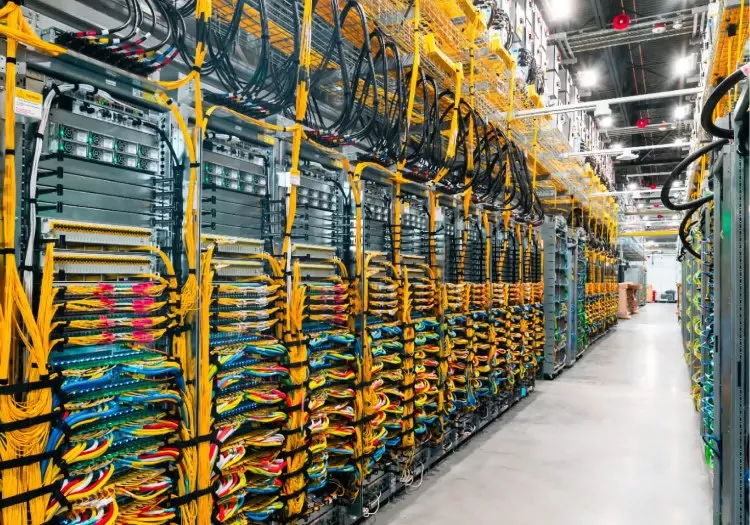
AI infrastructure boom pushes AMD, Intel and Arm to new valuation heights
Nvidia still dominates, but AI demand is lifting the rest of the chip market
Bottom line: Demand for AI infrastructure has been reshaping how investors value chipmakers, and recent results from key suppliers have strengthened the view that compute-intensive workloads will continue to grow. The effect has been evident with CPU vendors as of late. AMD's stock traded at $278 on Thursday, putting its market value at about $454 billion. Intel's rally from early March pushed the stock toward $68 and lifted its market cap to just under $340 billion. Arm's shares, meanwhile, traded close to $165, valuing the company at roughly $174 billion.

TikTok star Khaby Lame's $975 million deal is raising serious red flags
The stock has crashed, and Lame has gone quiet
Intel tops $300 billion market cap for the first time since the dot-com boom
Intel hopes this turnaround will not end in another catastrophic crash
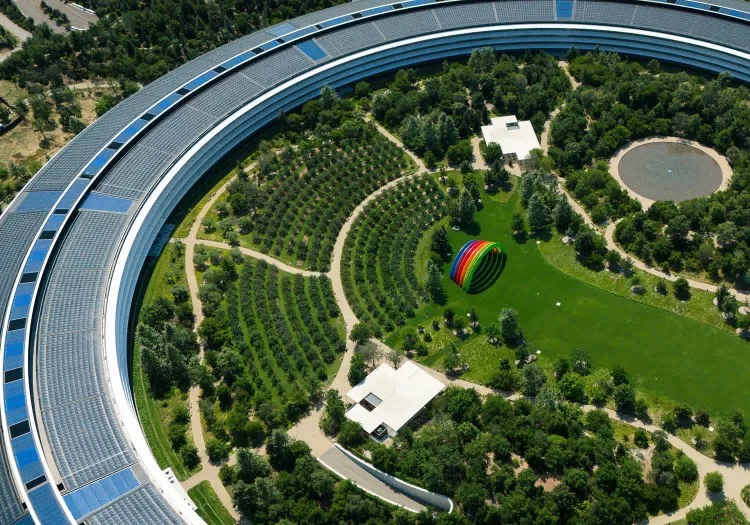
Apple's bad week: FTC pressure, delayed Siri AI, and a stock sell-off
Apple News faces FTC scrutiny

Apple's iPhone business just set an all-time record with $85 billion in sales
Apple beat Wall Street's wildest expectations, so naturally its stock dropped
Microsoft's Maia AI chip ambitions might include an exclusive SK Hynix HBM3e memory deal
Big Tech buying all the memory chips they can, for years to come
Newegg stock crashes after controlling shareholder chairman detained by Chinese authorities
Newegg insists business continues as normal following disclosure
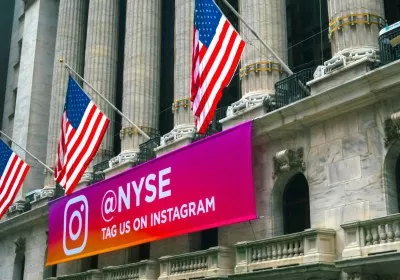
NYSE is testing a new blockchain platform for 24/7 trading
Wall Street is inching toward a tokenized, always-on stock market

Google's parent Alphabet surpasses Apple in market cap for the first time since 2019
Google's AI momentum leaves Apple trailing
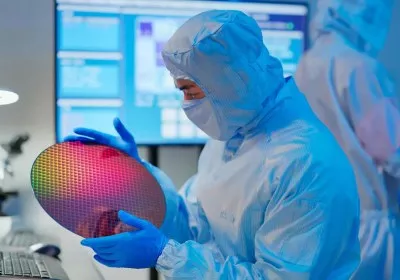
Intel and Nvidia's superchip plans blend CPUs, GPUs, and big money
Nvidia's $5 billion Intel deal is starting to look like a bargain
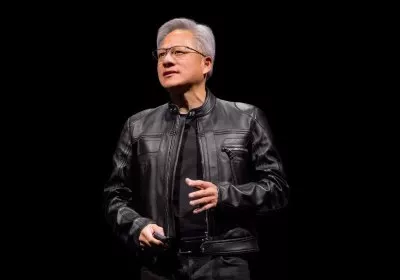
Nvidia denies Enron-style accounting accusations amid AI bubble fears
Nvidia isn't committing fraud, but one of its strategies might resemble Enron's

Sundar Pichai says AI boom shows irrational investment, but Google can weather the coming storm
Don't worry, Big Tech has the money to burn
Michael Burry of "The Big Short" shutters hedge fund, says the market makes no sense to him anymore
Investor says equities have diverged from intrinsic value amid AI mania

Nvidia becomes the first $5 trillion public company in history
Nvidia's journey to the top has been swift and dramatic