What just happened? At the end of March, Google hit a long-anticipated milestone: half of its global users accessed services over IPv6. The moment marks the first time IPv6 traffic has reached parity with IPv4 at that scale, signaling a shift away from an address system that has outgrown its design.
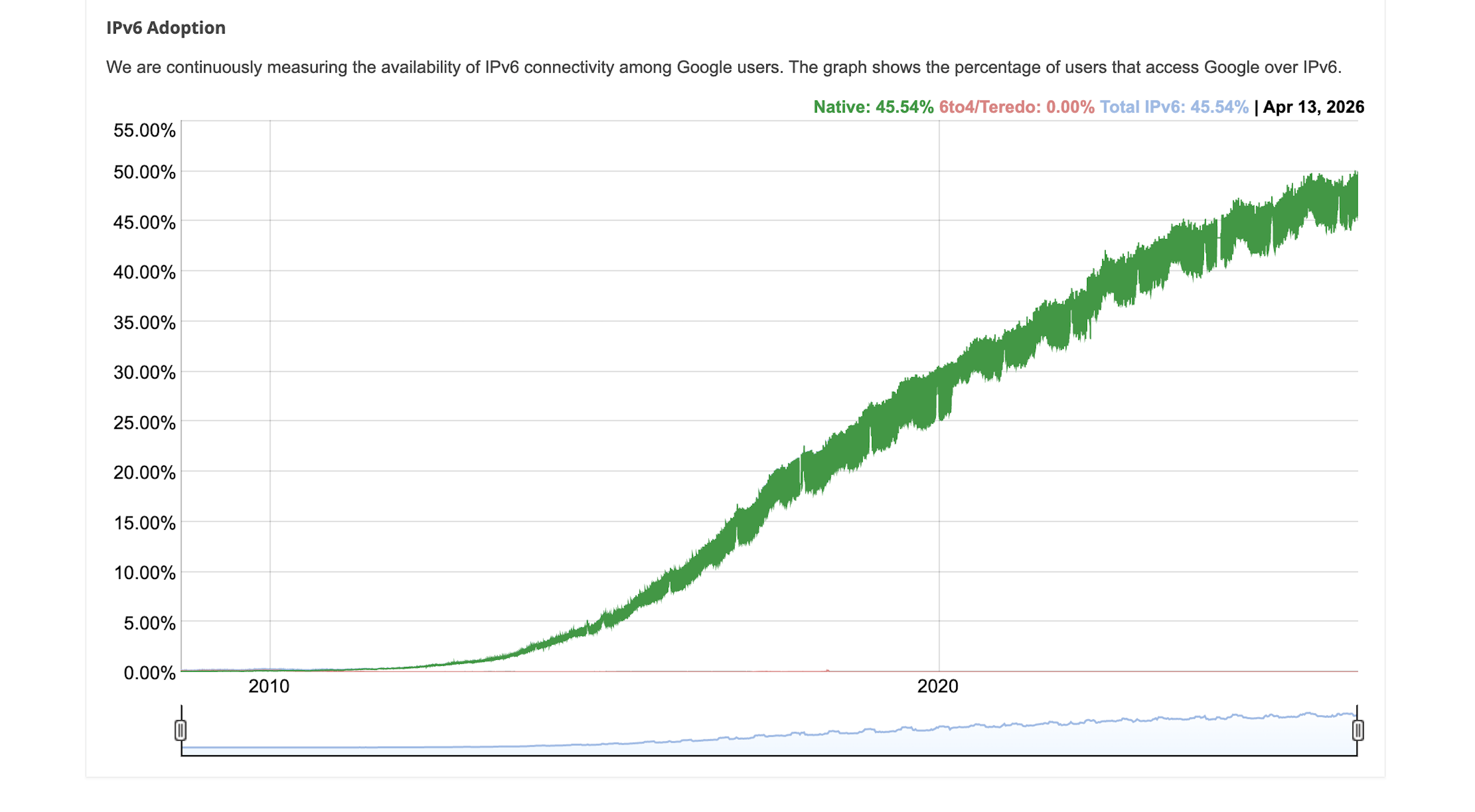
Statistics from Google show a steady rise in global IPv6 usage, climbing from near zero in early 2012 to 50.1% on March 28, briefly surpassing IPv4. Although the milestone did not hold, usage now hovers between 45% and 50%.
The Asia Pacific Network Information Center (APNIC) estimates 43% of users rely on IPv6, with adoption in Asia and the Americas nearing half. Cloudflare, measuring traffic rather than allocations, reports that about 40% of internet packets now travel over IPv6. Together, the data show IPv6 is no longer experimental but in routine use across much of the internet.
The IPv4 protocol, introduced in 1980, provides about 4.3 billion addresses in theory and roughly 3.7 billion in practice. The rapid expansion of internet-connected systems – from personal computers to smartphones and, more recently, IoT devices and cloud infrastructure – consumed that pool faster than anticipated.
By 2011, the global pool managed by the Internet Assigned Numbers Authority (IANA) was effectively exhausted, and regional registries soon followed. What remained shifted into a secondary market, where IPv4 addresses sold for about $50 each in 2019, and entire address blocks gained enough value to serve as loan collateral.
Assigning a public IPv4 address now carries a measurable cost at scale. Amazon formalized that reality in 2024 by charging $0.005 per hour for each IPv4 address allocated to its services. The per-IP fee is small, but at scale it adds up and gives operators another reason to shift more traffic to IPv6.
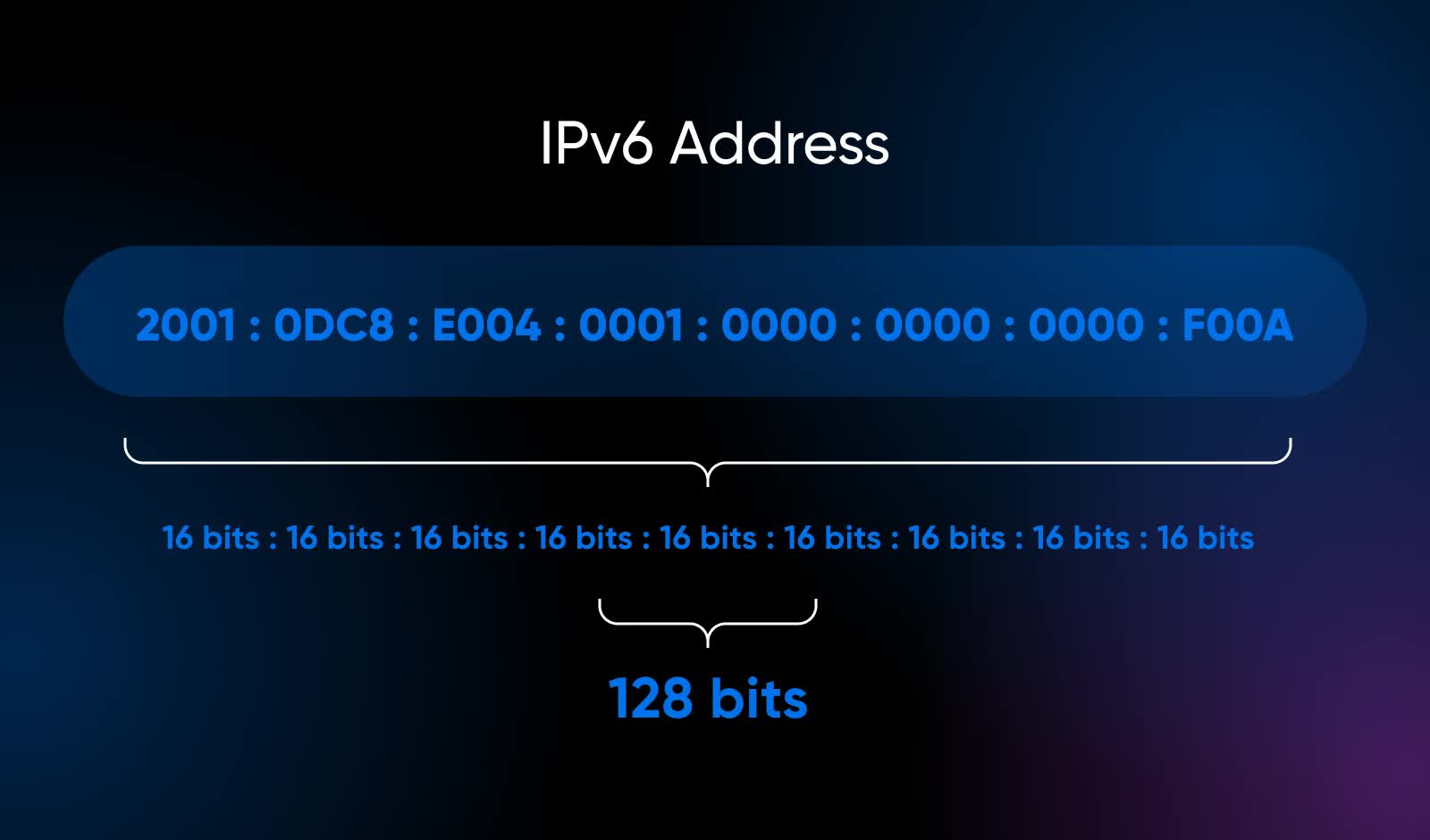
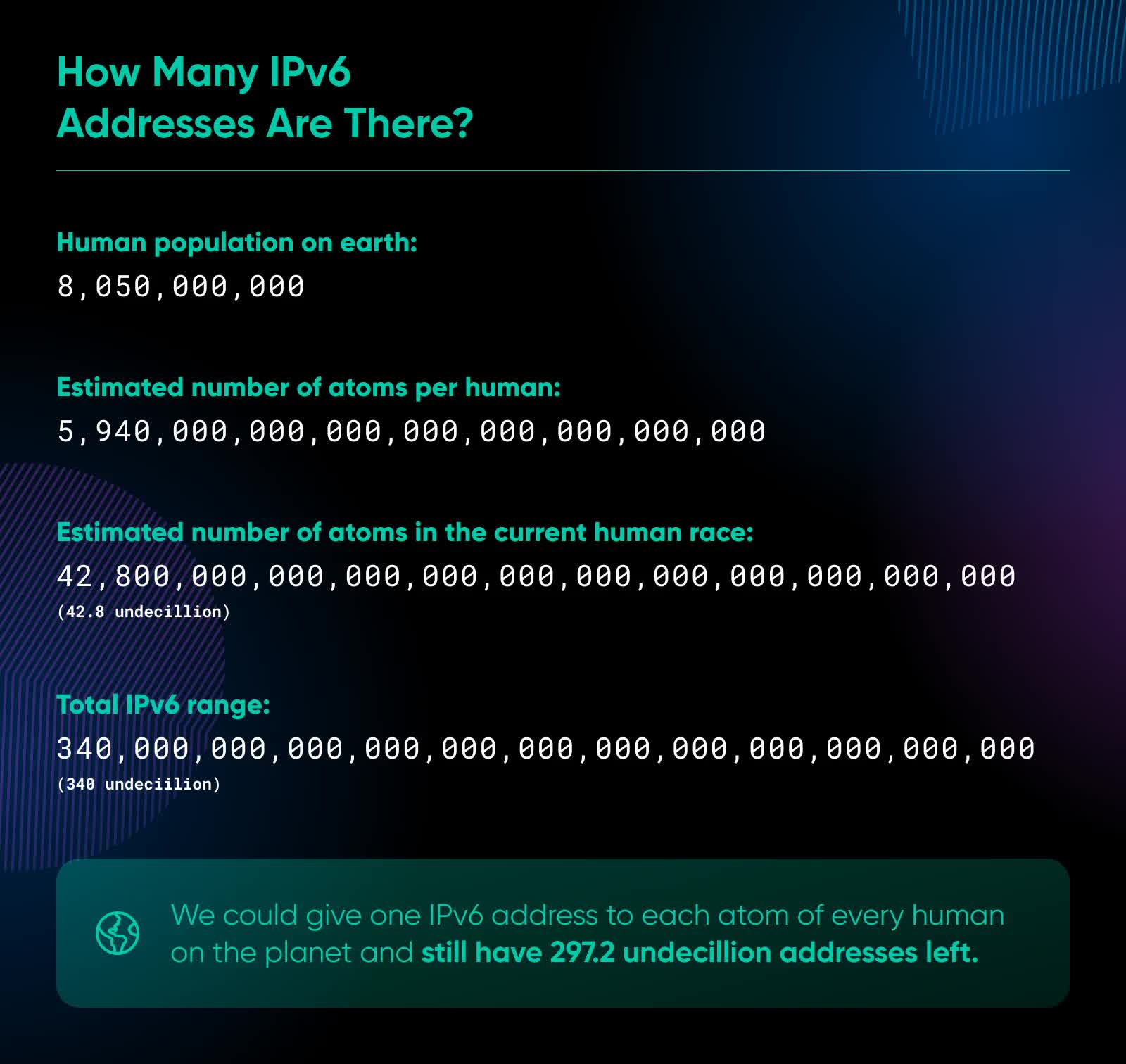
Technically, IPv6 resolves the core limitation. Designed in 1998, it expands the address space to 2 to the 128th power, effectively removing allocation constraints. However, adoption stalled for years due to implementation complexity and the widespread use of workarounds such as Network Address Translation, which allowed multiple devices to share a single IPv4 address.
Those workarounds, while effective, added extra processing layers to network communication. By enabling more direct end-to-end connectivity, IPv6 removes much of that overhead. In practice, this design has produced measurable speed gains. Facebook testing showed IPv6 connections performing roughly 10 – 15% faster, while Akamai observed about a 5% improvement in mobile page load times.
Early concerns about IPv6 – including larger packet headers and the operational challenges of tunneling IPv6 over IPv4 – have diminished as networking hardware and software stacks have matured. Most of the resistance is no longer technical but inertia. Despite this, IPv4 still works, and with NAT and existing infrastructure in place, many organizations have been able to delay migration.
Recent data suggests that shift is starting to accelerate as address scarcity translates into direct cost and operational friction, and as major platforms normalize IPv6 traffic. The March 28 milestone does not signal the end of IPv4, but it does mark a turning point, with the successor protocol now handling a comparable share of real-world internet traffic for the first time.