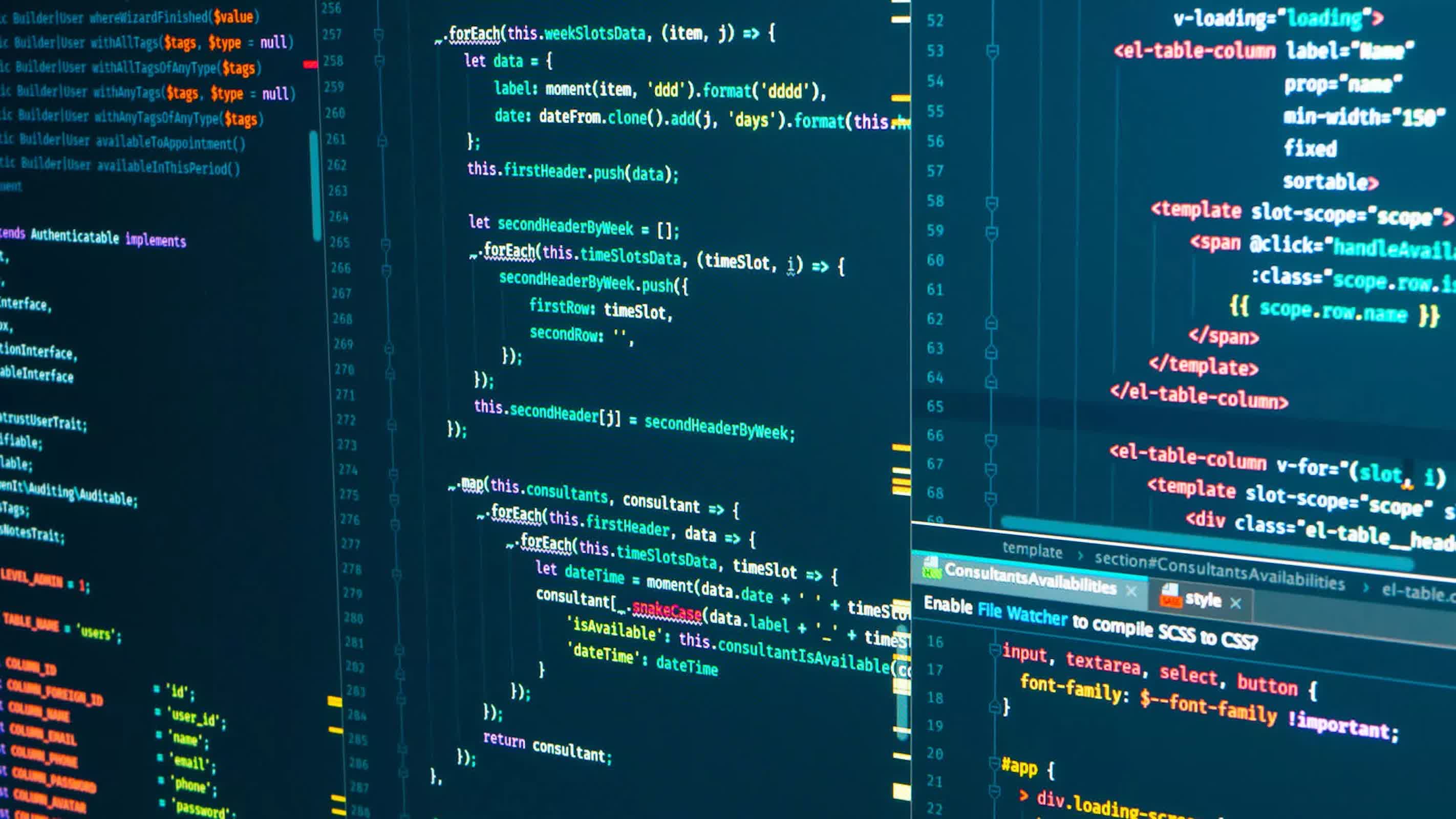
Bottom line: Google said on Wednesday that about 75% of its new code is now generated by AI and then reviewed by engineers, a figure that marks a sharp increase from recent levels. In October 2024, Google said that about a quarter of its code was generated by AI. By late 2025, that share had doubled to 50%. The latest update shows AI is now a primary method for producing code at Google, rather than a supplemental tool.
The shift is tied closely to Google's internal deployment of its Gemini models, which engineers are using to generate, refactor, and migrate code. The company has also pushed broader use of AI tools beyond engineering, tying their use in some cases to performance reviews.
CEO Sundar Pichai described the shift as part of a broader change in how work gets done at the company. He said Google is moving toward "truly agentic workflows," in which engineers increasingly orchestrate systems that can carry out complex tasks with minimal intervention. He pointed to measurable gains in productivity from these approaches, adding that "Recently, a particularly complex code migration done by agents and engineers working together was completed six times faster than was possible a year ago with engineers alone."
The focus on agentic systems points to a shift away from code-completion tools toward systems that can plan and execute development tasks independently. In practice, that includes codebase migrations, large-scale refactoring, and other operations that historically required sustained human coordination.

The rollout of AI tools has not been uniform across the company. Some teams within Google DeepMind have been allowed to use Anthropic's Claude Code alongside Google's own models, a decision that has reportedly introduced friction among employees over tool standardization and strategy.
Google's approach mirrors a broader shift across large tech companies toward treating AI-generated code as a core part of development. Microsoft has reported similar progress, with CEO Satya Nadella saying in April last year that 20% to 30% of the code in some projects was written by AI. Around the same time, CTO Kevin Scott said he believed 95% of code would be generated by AI within five years.
Meta has also set formal AI usage targets within its engineering teams. Internal documents indicate that, as of the fourth quarter of 2025, the company aimed to have 55% of code changes in certain groups be agent-assisted. For the first half of 2026, some teams are expected to have 65% of engineers use AI to write more than 75% of their committed code.
At Snap, the transition is already reflected in operating models. The company said earlier this month that at least 65% of new code is generated by AI under its current structure.
These changes indicate a shift in the role of developers, with engineers increasingly supervising automated systems rather than writing most code themselves. At Google, where AI already produces most new code, that shift is well underway.