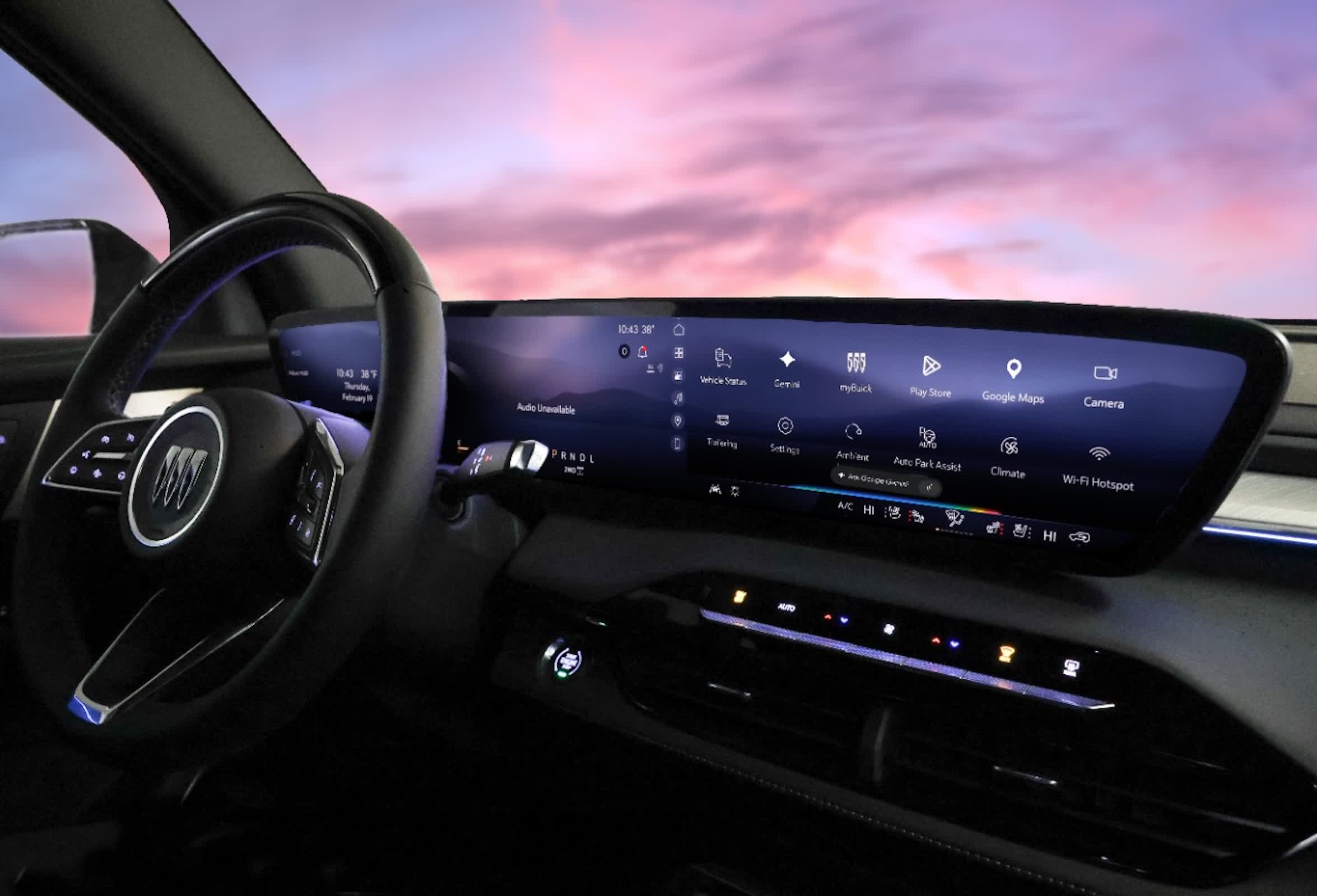
First look: GM is rolling out a major upgrade to its in-car software, bringing Google's latest AI assistant into the driving experience. The automaker said it will add Google's Gemini AI to roughly 4 million vehicles in the United States, targeting model-year 2022 and newer Cadillac, Chevrolet, Buick, and GMC vehicles equipped with Google built-in. The rollout will occur via over-the-air updates to GM's infotainment platform and is expected to take several months.
The update replaces the current Google Assistant experience with a more advanced system designed to handle natural-language interactions. GM described the update as "one of the largest deployments of Gemini in the industry," adding that "customers will notice an upgrade from the current Google Assistant to a smarter, more intuitive AI assistant that continues to improve over time."
In practice, Gemini builds on the existing voice interface but moves beyond command-based prompts. Drivers will still be able to send messages, control navigation, and access music, but the emphasis is on conversational flexibility rather than fixed phrasing. The system is designed to handle more open-ended requests.
The update marks a broader shift in automotive UX, where voice systems are evolving from feature toggles into context-aware assistants. By building Gemini into the infotainment system, GM is essentially treating the car like another connected device, bringing its AI experience closer to what users already have on their phones and other gadgets.
The deployment will initially support US English, with GM indicating that additional markets and languages will follow. That staged approach reflects both technical and regulatory considerations, particularly as voice models require localization to ensure accuracy and compliance.
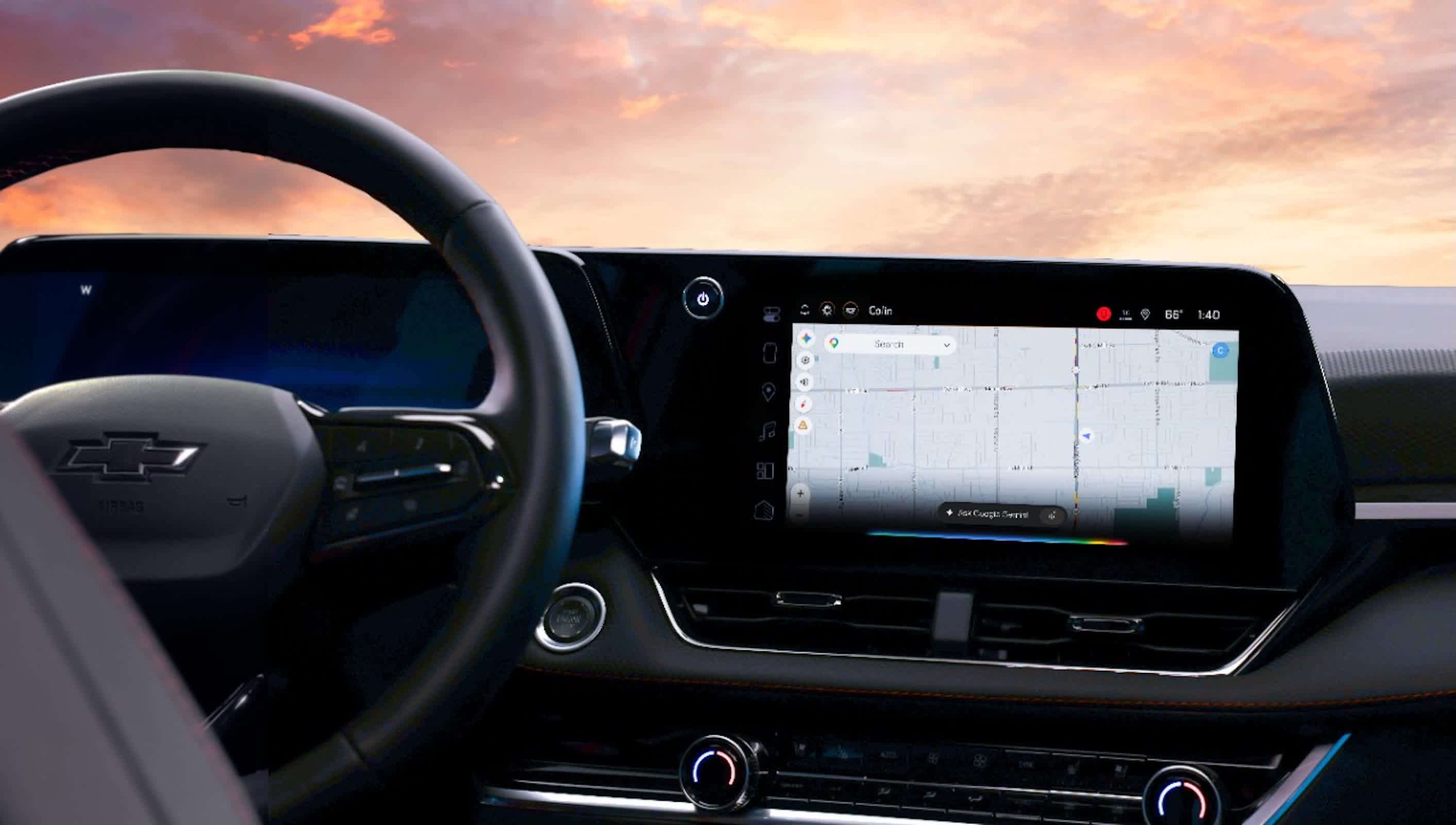
Alongside the software announcement, GM highlighted a separate milestone tied to its driver-assistance technology. The company said that vehicles equipped with its Super Cruise system have collectively logged 1 billion miles of hands-free driving. The system works on pre-mapped highways in the US and Canada, letting drivers take their hands off the wheel in certain conditions while it handles steering, acceleration, and braking.
Super Cruise isn't fully autonomous, but the sheer amount of use it's seen gives a sense of how it stacks up against other driver-assistance systems. With nearly 750,000 vehicles using the system, that mileage points to strong adoption and continued use, putting GM firmly in the mix with competitors like Tesla's Autopilot and Full Self-Driving.
Together, the Gemini rollout and Super Cruise milestone highlight GM's push to expand both in-car software and driver-assistance systems. Adding a more advanced conversational system to millions of vehicles shows how software, especially AI, is becoming a bigger part of how automakers compete.