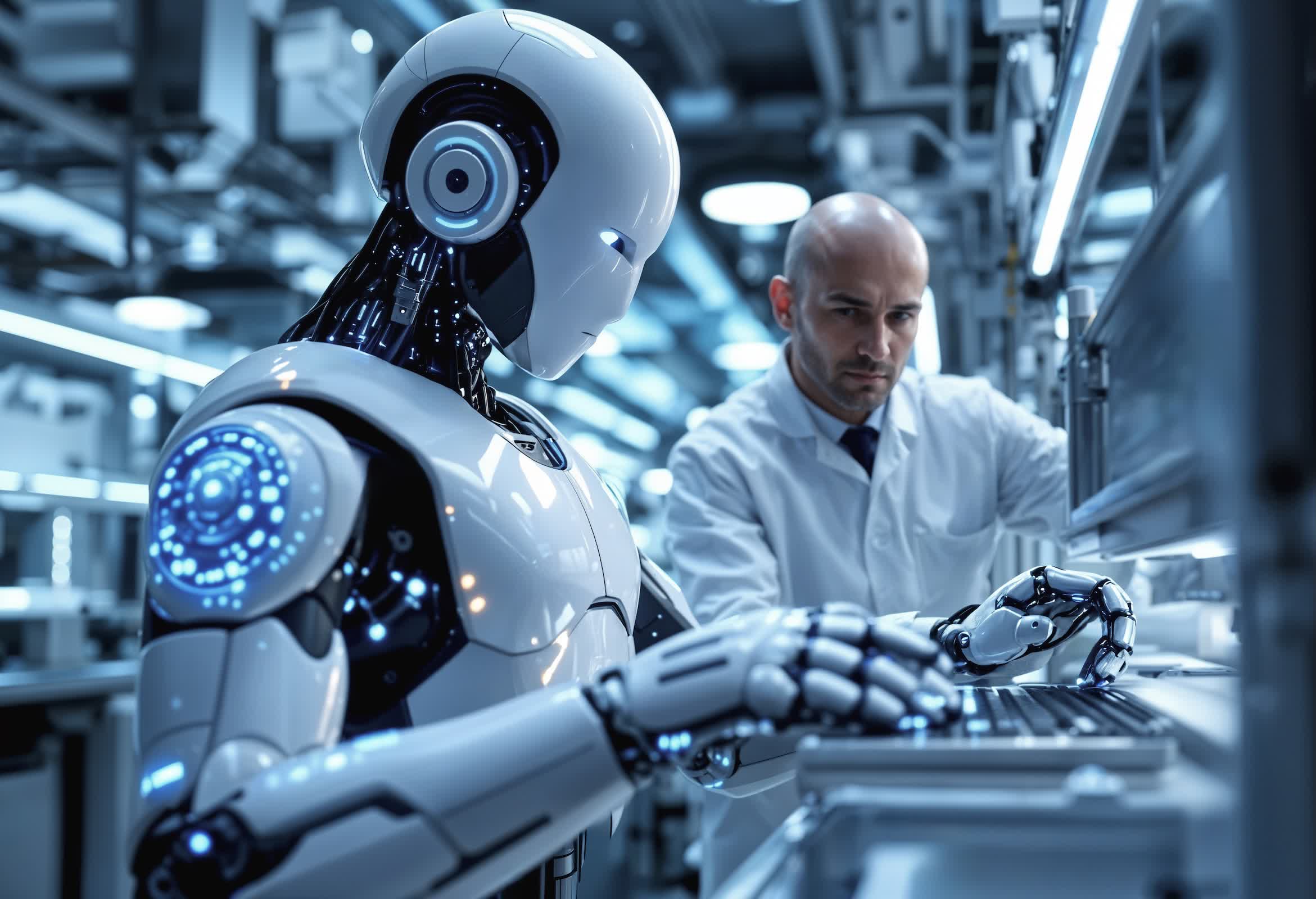
The takeaway: Ford's push to modernize its engineering and production systems with artificial intelligence did not initially deliver the gains the company expected. Instead, it exposed a gap that technology alone could not fill: the loss of hard-earned engineering judgment built over decades.
It is a shift that comes as Ford returns to the top of J.D. Power's initial quality rankings among mainstream brands. The improvement reflects changes not only in its processes but also in how the company uses AI – and where it draws the line between automation and human expertise.
In recent years, Ford expanded its use of AI in design and manufacturing, leaning on automated systems to speed decisions and simplify development. But those systems proved less resilient than anticipated, particularly when fed incomplete or insufficiently nuanced data.
"Mistakenly, we thought that by just introducing artificial intelligence and adjusting the design requirements that we had, that that would produce a high-quality product," said Charles Poon, VP of vehicle hardware engineering, in a briefing this week with reporters (via The Verge).
The problem, according to Ford executives, was not simply technical. As experienced engineers left the company, much of their institutional knowledge – often undocumented and built through repeated product cycles – never made it into the datasets training those AI systems. That left gaps in how issues were identified and prevented.
To address that, Ford brought back and promoted more than 350 seasoned engineers. Their role extends beyond mentorship. They are now actively shaping how data is collected, interpreted, and fed into the company's AI models, effectively rebuilding the foundation on which those systems depend.
"That's where some of our most experienced engineers have had experience solving and identifying those problems before they creep into the system," Poon said.
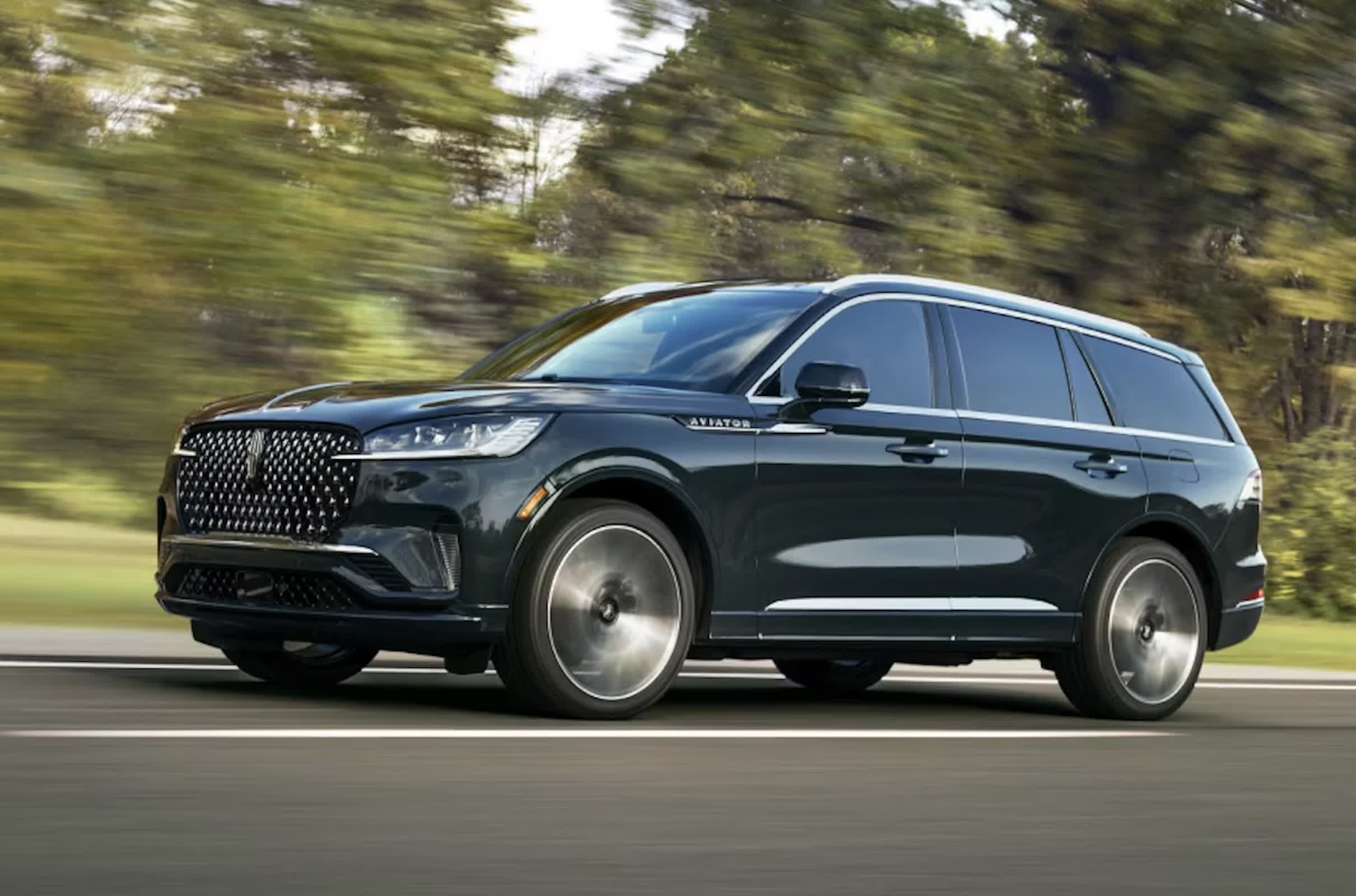
Ford has faced declining quality ratings in recent years and currently leads the industry in recalls. High-profile vehicle launches, including the Explorer and Aviator, revealed execution challenges, while pandemic-era supply chain disruptions added further strain.
Executives say those issues were compounded by structural inefficiencies. Different teams – spanning software, hardware, manufacturing, and supply chain – often worked in isolation. That fragmentation reinforced a reactive approach to quality, where defects were identified late and corrected under pressure.
"We're moving from that find-and-fix mentality to preventing issues before they occur," said COO Kumar Galhotra. "We're focused on enablers and early indicators versus outputs. Stop admiring the problem and start solving it."
A key part of that shift involves integrating software development practices more tightly with traditional automotive engineering. In the past, Ford frequently discovered software defects late in the development cycle. At the same time, it could not adopt the rapid-release mindset common in consumer tech, where issues are often resolved after deployment. That's because vehicles operate under different constraints – software must function correctly from the outset, given the safety implications.
To close that gap, Ford established a dedicated 40-person software quality assurance team focused entirely on early-stage validation and defect prevention.
AI still plays a central role at Ford, but the company is using it within clearer limits. The company has added more than 100,000 AI-driven tests that target edge cases and push the system under a wide range of conditions.
The tests run in an automated system that lets engineers quickly recheck software after changes, even late in development. The aim is to catch any new defects without slowing down the process.
"Because these tests are highly automated, even if we have a late change in the software, we can rapidly run back through the entire validation process to guarantee it works perfectly well before it reaches the customer," Poon said. "We've established software reliability as its own rigorous disciplines with strict metrics."
Ford's experience points to a wider challenge for companies using AI in complex industrial systems. Automation can speed up work and broaden testing, but it still depends on solid data and the people who know how to use it.
In Ford's case, the plan is to rely on a more balanced setup in which AI supports engineers rather than replacing them. It now wants its systems to reflect not only computing power, but also the practical knowledge it has built up over years of making vehicles.