
Ripple effect: The push to build AI data centers has driven up the prices of numerous PC components and other devices, especially memory. As manufacturers struggle to maintain inventory, the effects have cascaded through the DIY PC and broader electronics markets, dragging down sales of related products.
Sources tell DigiTimes that, late last year, four major motherboard manufacturers in Taiwan significantly downgraded their 2026 shipment projections. Although motherboards are not suffering the same AI-related shortages as RAM, DIY builders see little need to purchase motherboards if they can't afford the components to install on them.
Asus motherboard shipments grew from 14 million to 15 million between 2024 and 2025, but the company has only shipped around 5 million so far this year. Asus expects 2026 sales to total only 10 million, potentially representing a 30% decline. Asrock estimates a similar drop from 4.4 million to 2.7 million.
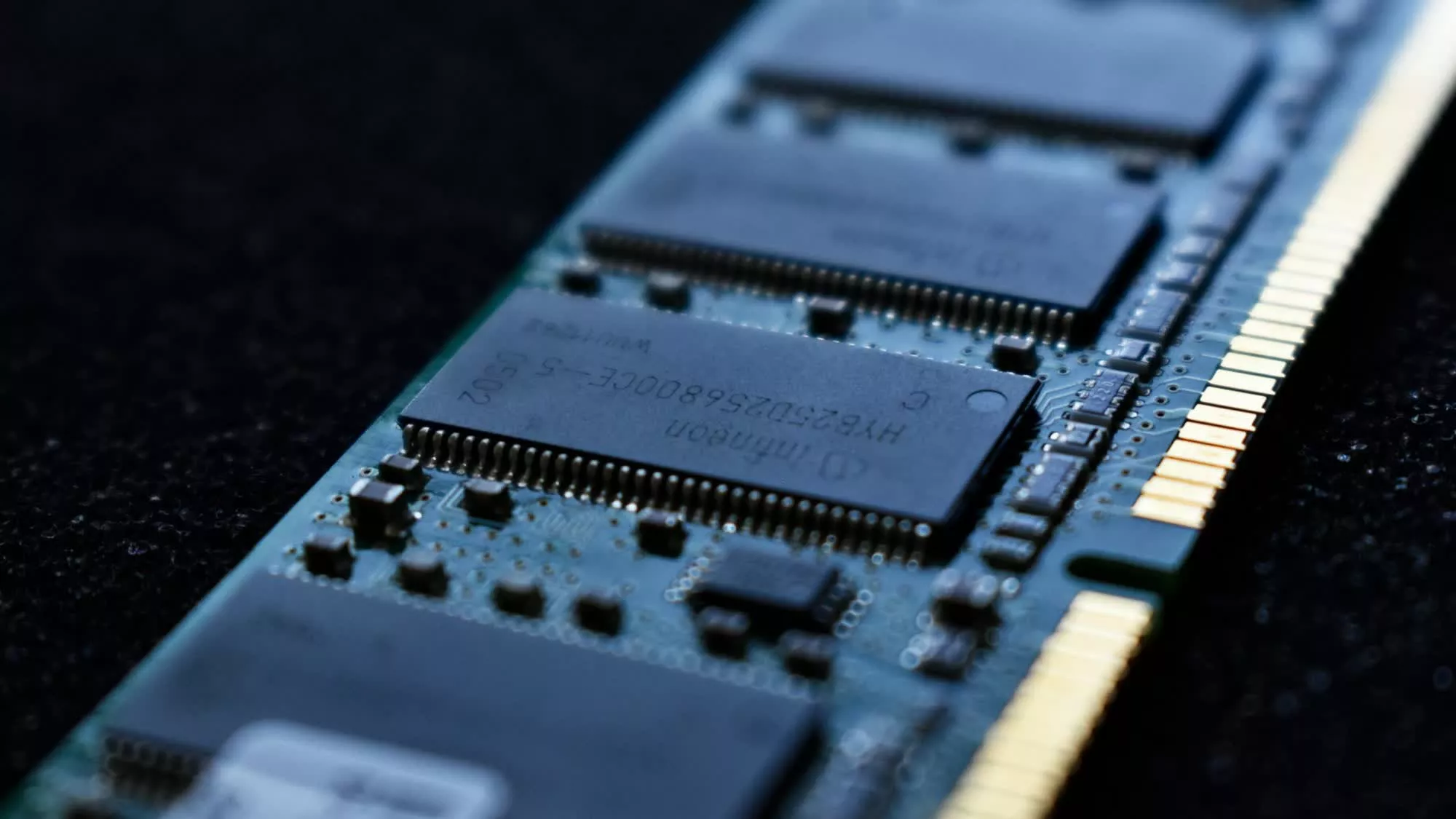
Meanwhile, shipments of Gigabyte and MSI motherboards are expected to fall by around 25%. Gigabyte projects sales of 8 to 8.5 million this year, compared to 11.5 million in 2025, while MSI warned that its shipments might drop from 11 million to 8.4 million.
AI data center construction has diverted a significant portion of memory production capacity, making DDR5 RAM unaffordable for many customers looking to build new PCs. The impact on newer AMD CPUs that require DDR5 RAM is already apparent in sales charts, so sales of the required AM5-compatible motherboards have likely fallen as well.
Shortages have also caused prices of graphics cards, CPUs, and SSDs to rise sharply. Products that incorporate these components, such as laptops, game consoles, and prebuilt PCs, have also faced price hikes and delays.

Valve originally intended to launch its Linux-based Steam Machine gaming PC in early 2026, but difficulties sourcing RAM have made a release this year increasingly unlikely. Meanwhile, Apple has been forced to raise prices for Macs and cease offering certain models due to both memory shortages and the Mac mini's newfound popularity among AI developers. Prices of PlayStation and Xbox game consoles have also increased, while a hike is scheduled to hit the Nintendo Switch 2 in September.
Additionally, RAM shortages allegedly prompted Nvidia to cancel the rumored RTX 50 Super series of graphics cards, giving users one less reason to upgrade their PCs. The disruption of the traditional PC upgrade cycle prompted AMD to estimate that its gaming revenue could fall by 20% in the second half of 2026.